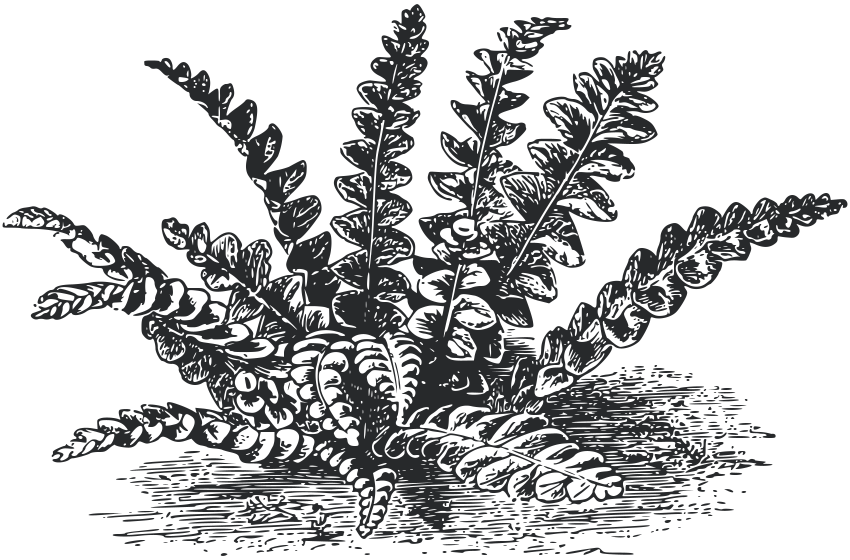
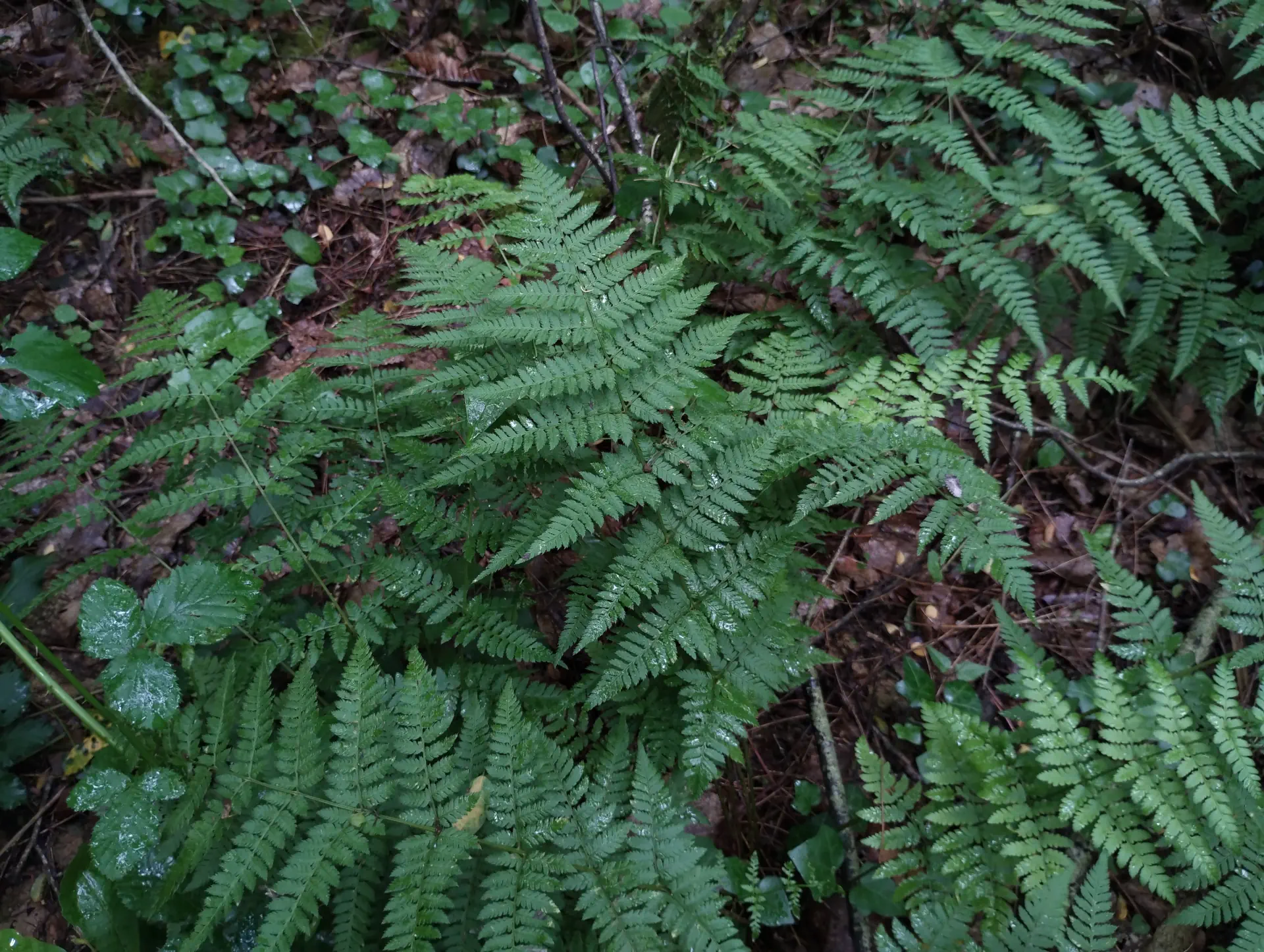
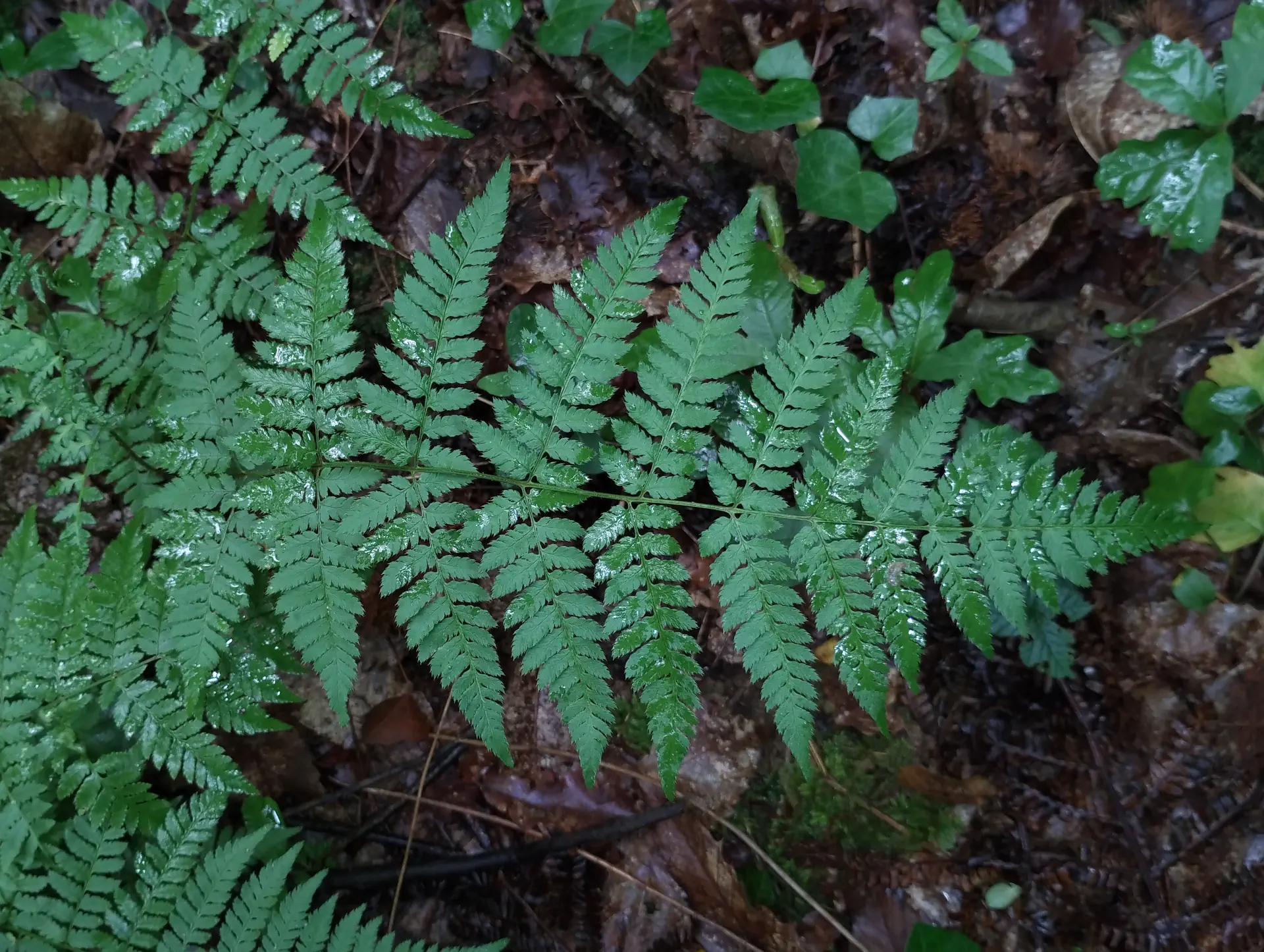
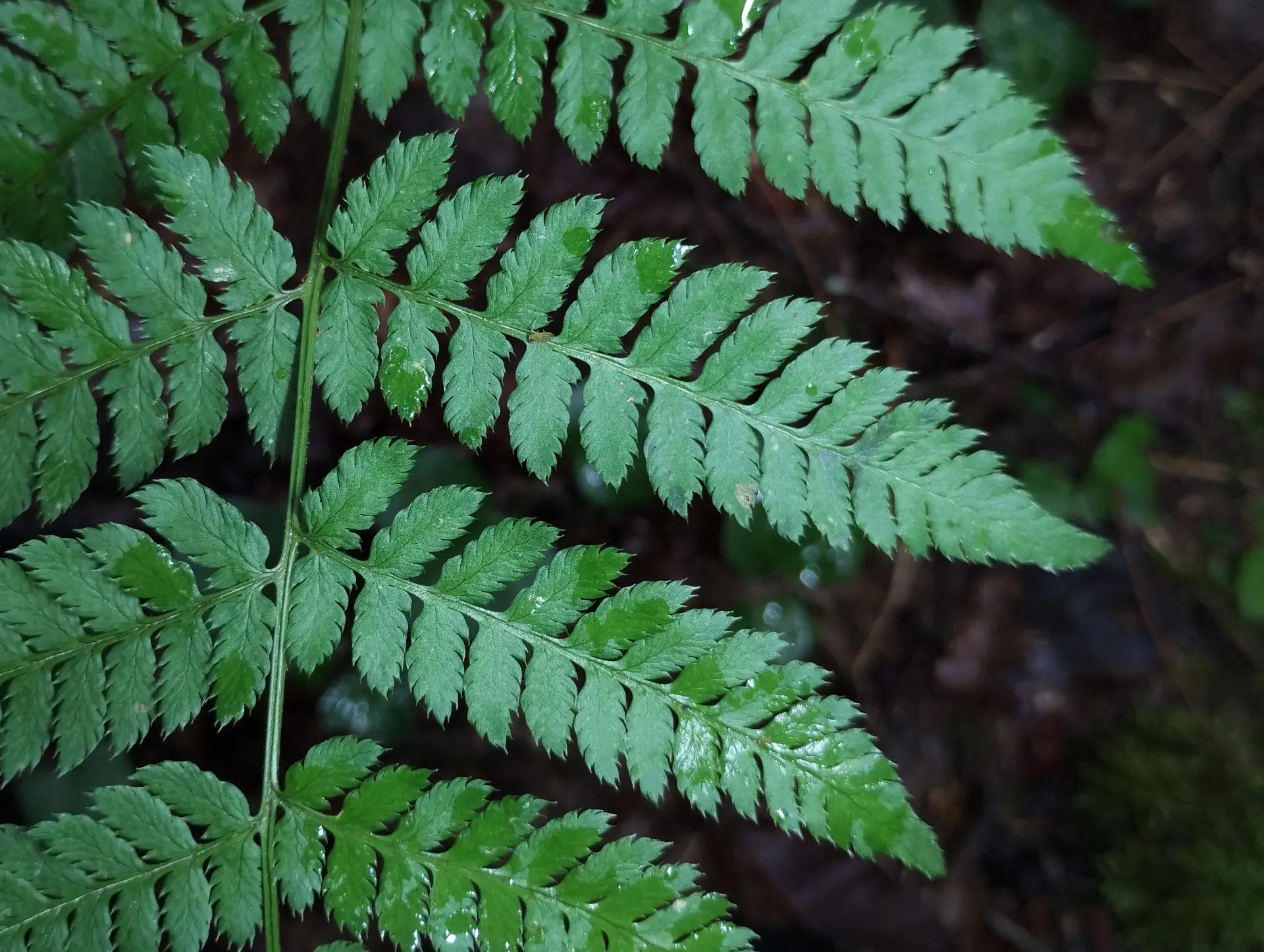
Dryopteris carthusiana (Vill.) H.P.Fuchs, 1959
- 🇬🇧 Narrow Buckler-fern
- 🇫🇷 Fougère-mâle des Chartreux
Taxonomy
- Kingdom: Plantae
- Clade: Tracheophytes
- Clade: Monilophytes
- Class: Polypodiopsida
- Subclass: Polypodiidae
- Order: Polypodiales
- Suborder: Polypodiineae
- Family: Dryopteridaceae
- Subfamily: Dryopteridoideae
- Genus: Dryopteris
- Species: Dryopteris carthusiana
Presence
Present.
Conservation status
- Red List (Metropolitan France): LC Least Concern
- Red List (Europe): LC Least Concern
Notes
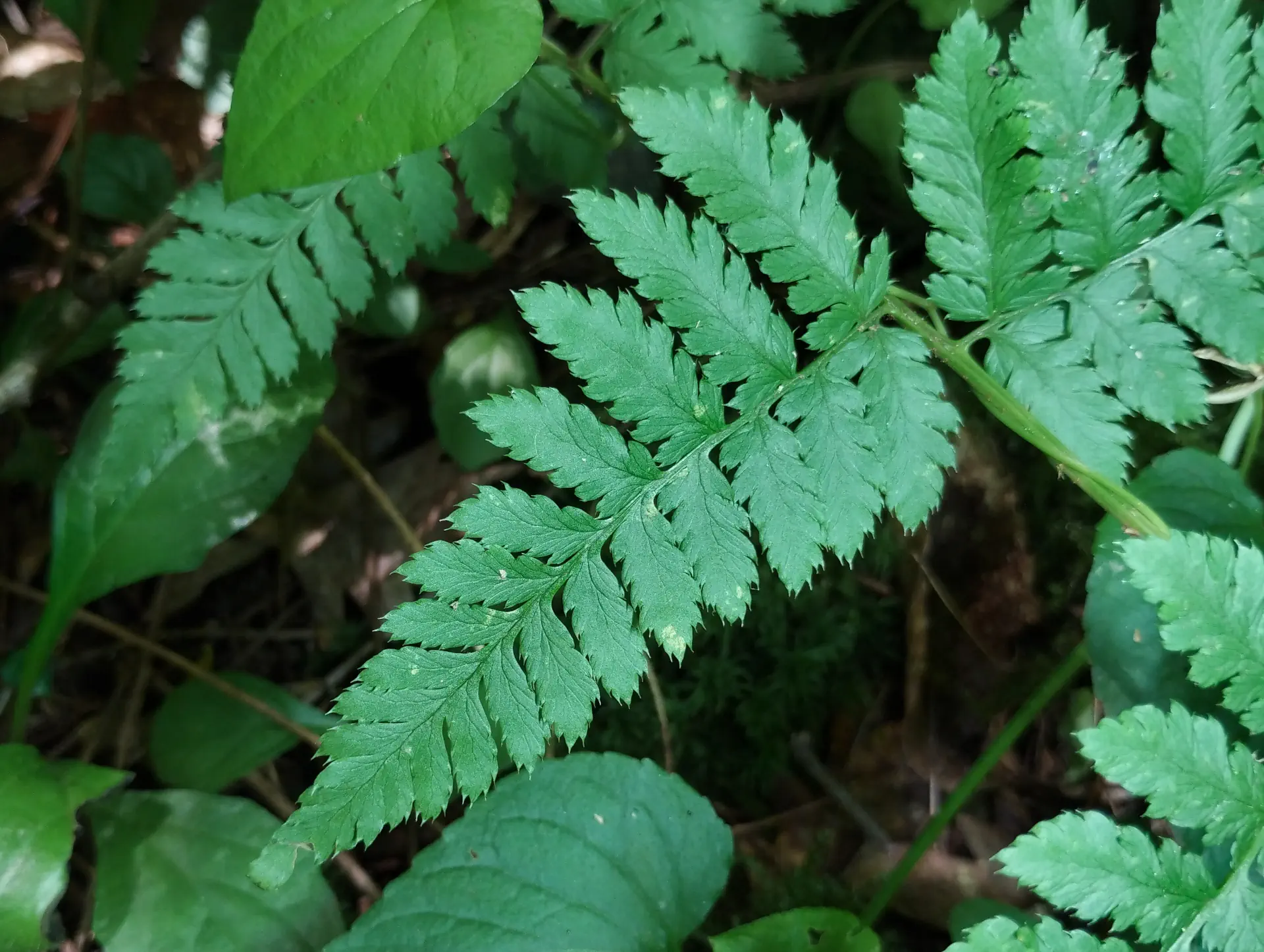
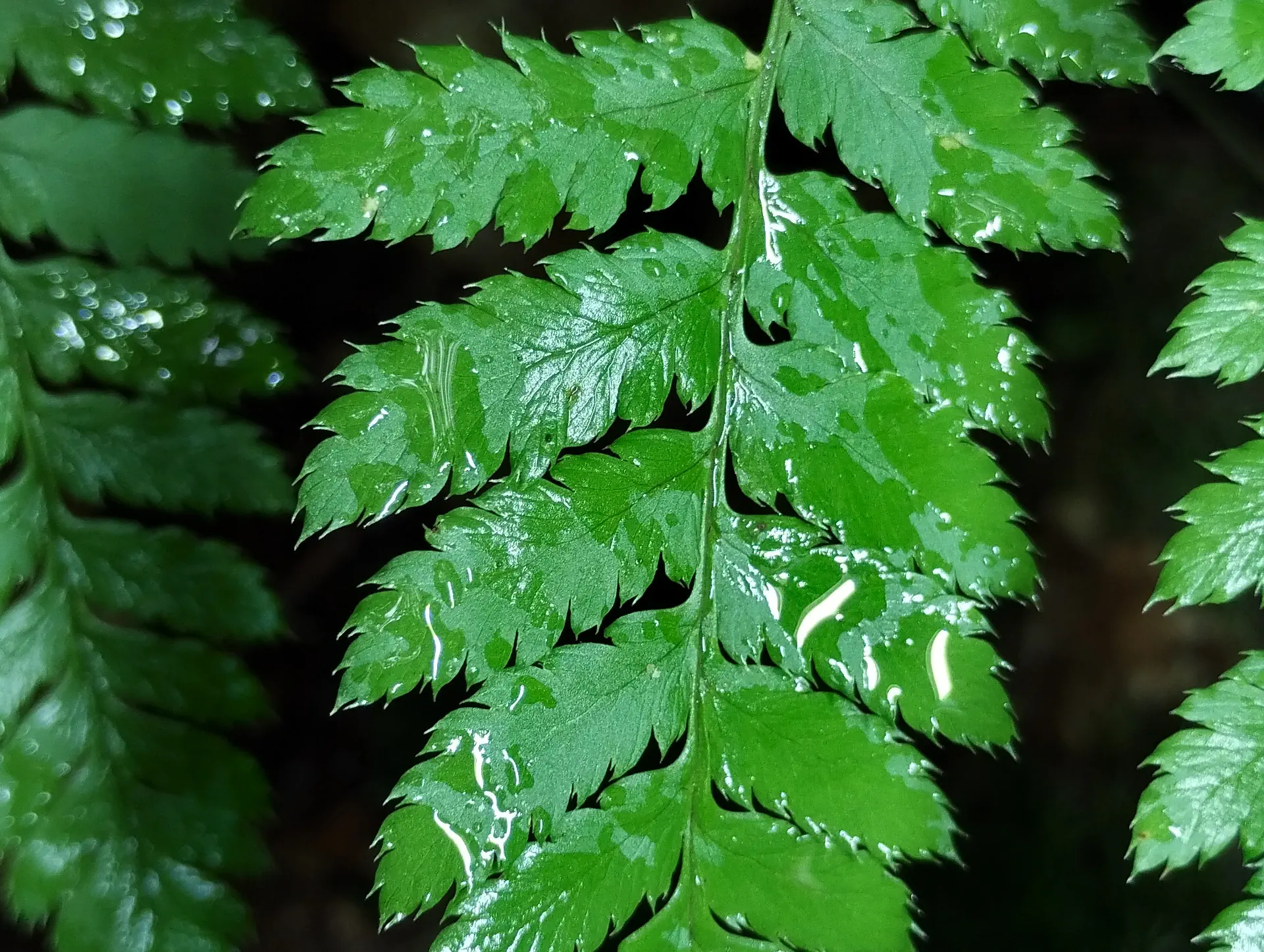
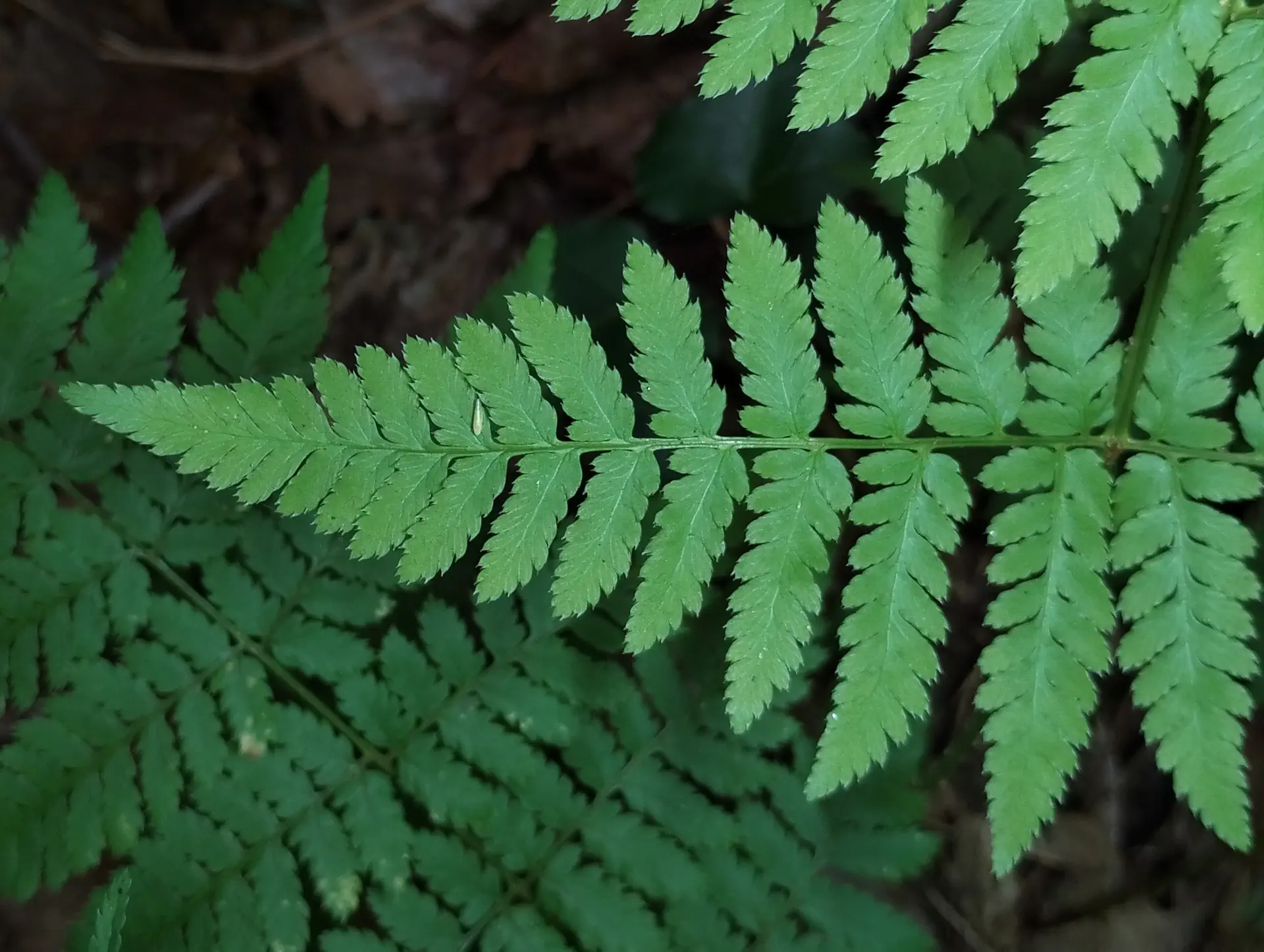
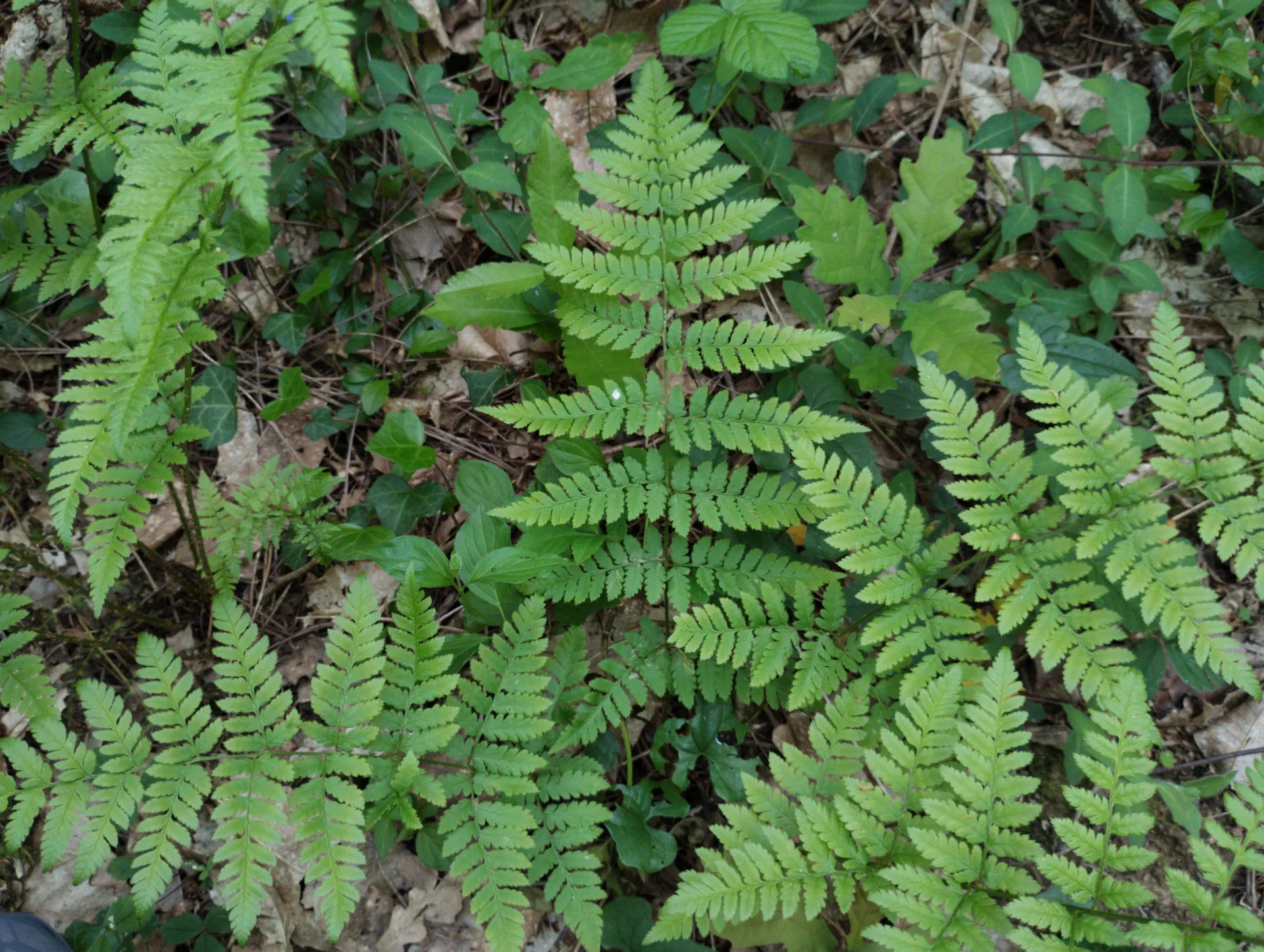
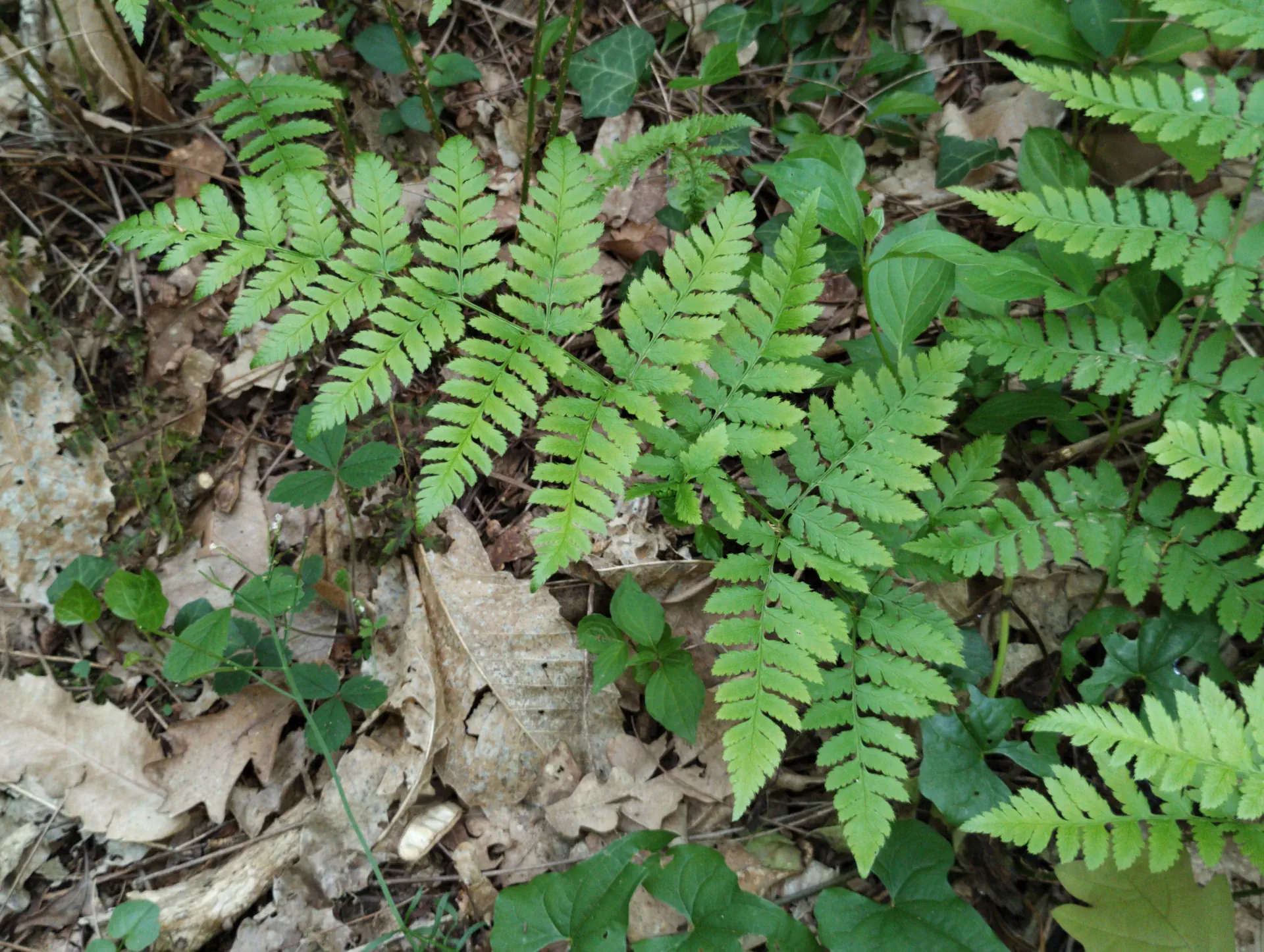
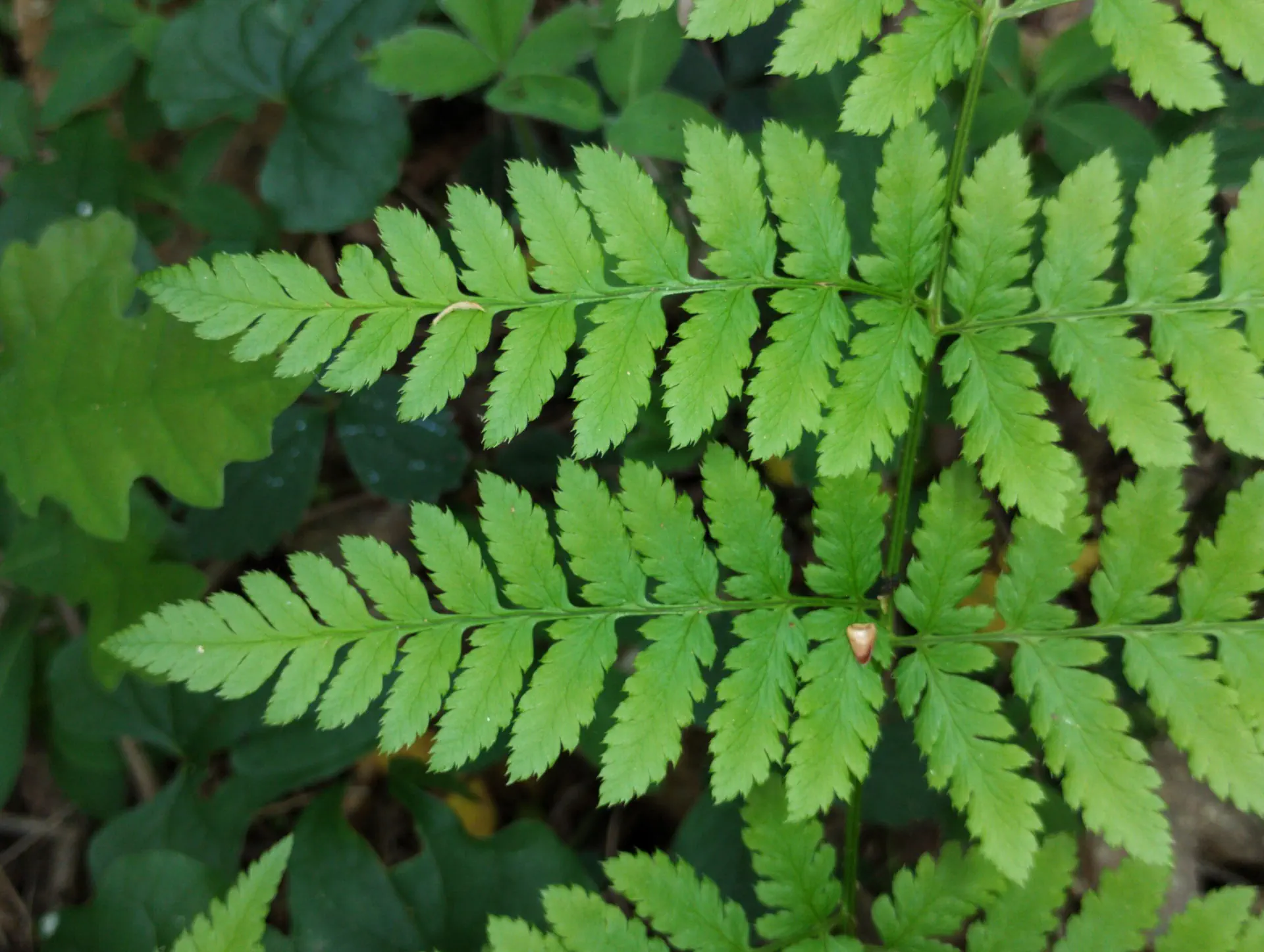
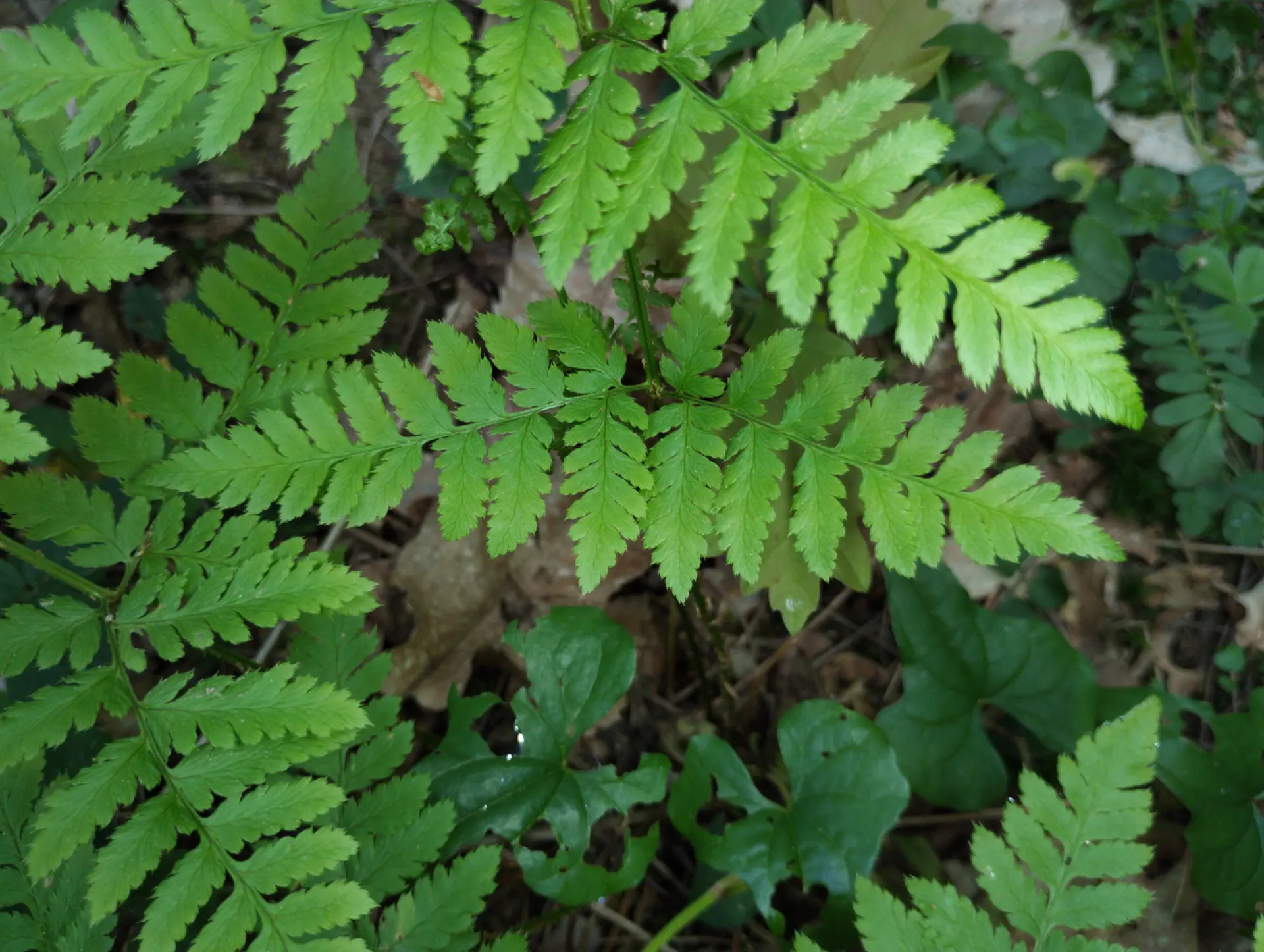
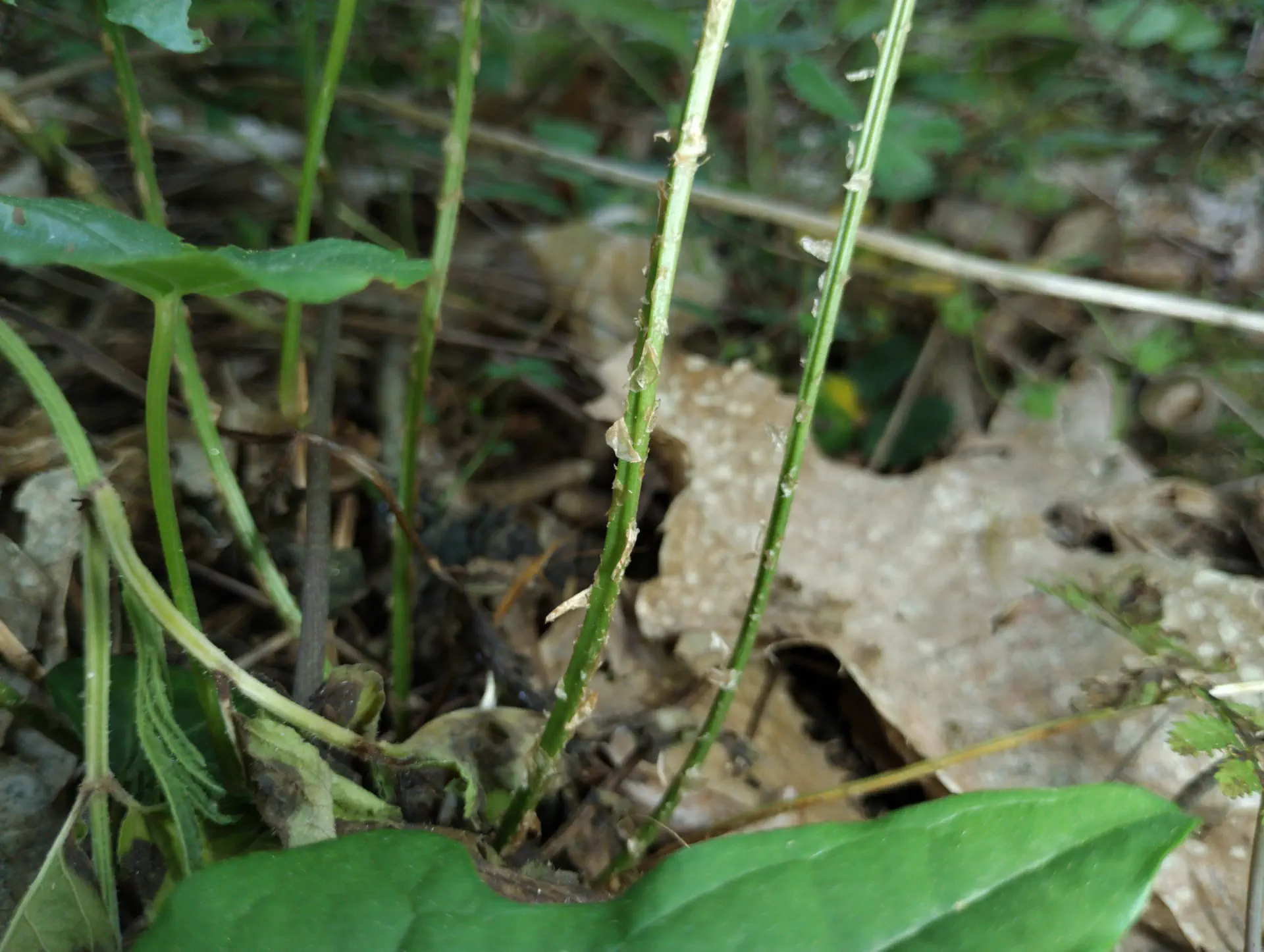
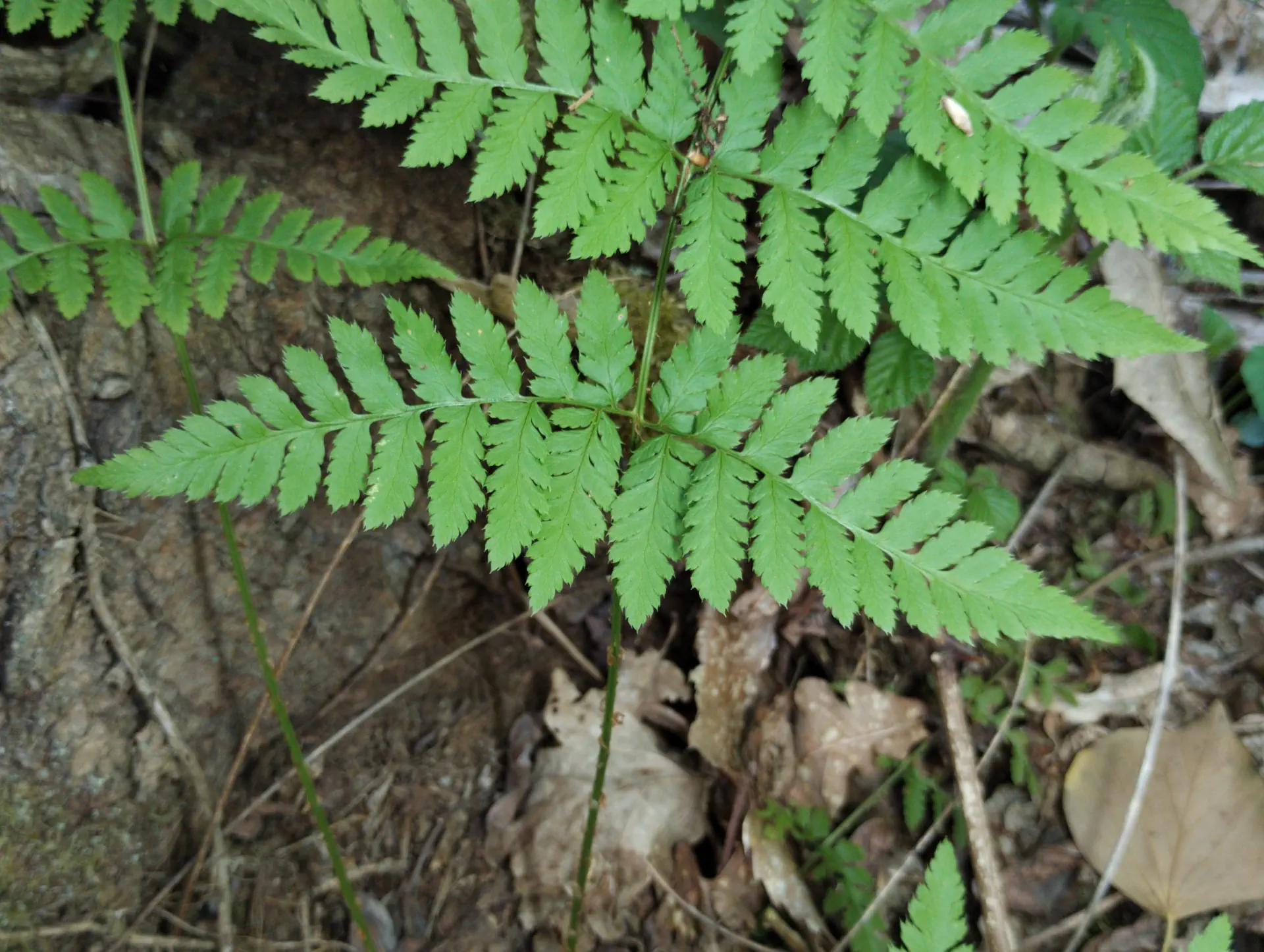
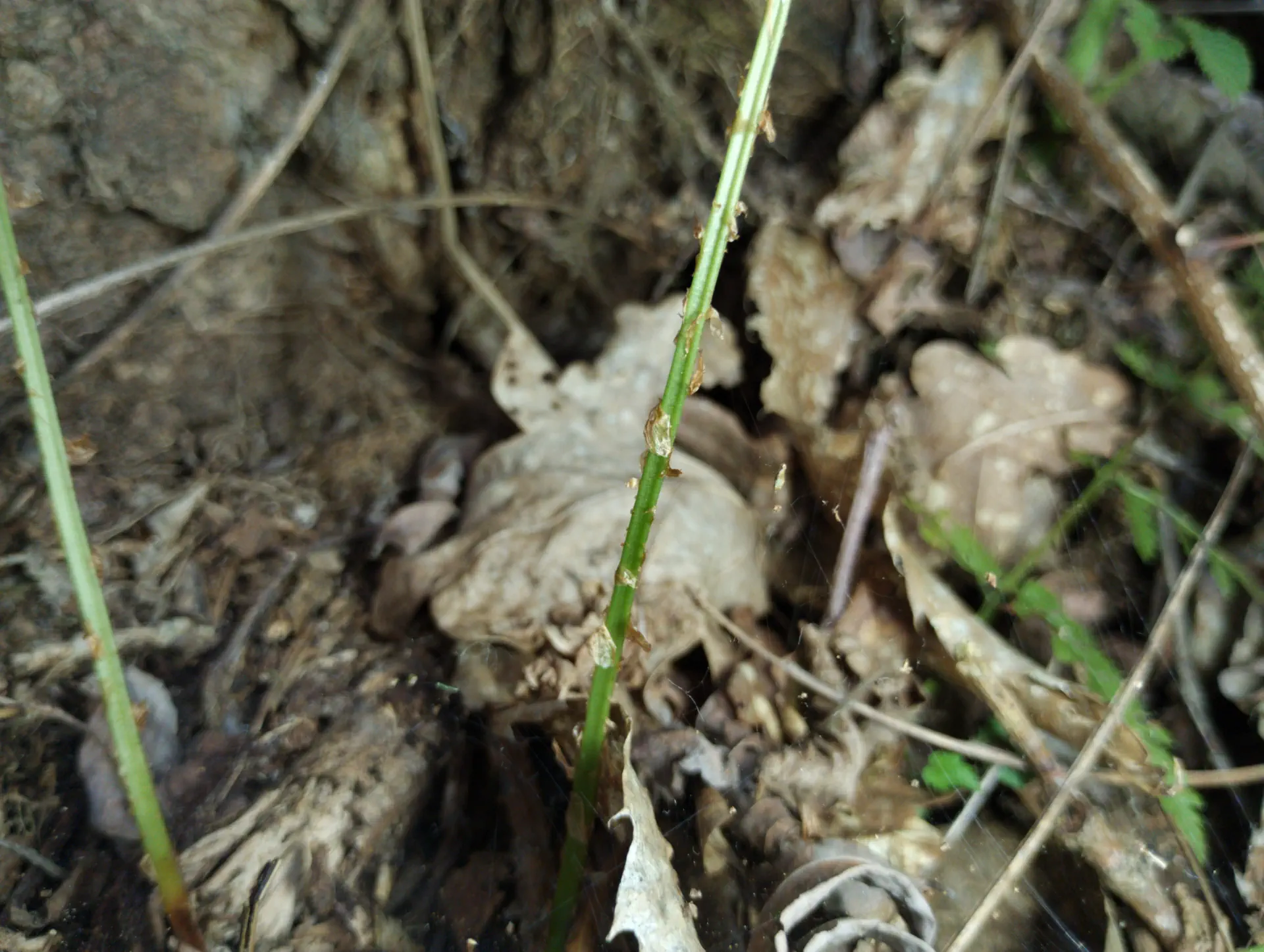
Possible confusion with D. dilatata (Hoffm.) A.Gray, 1848, which has abundant bicolor scales on the petiole, while D. carthusiana has few light brown, concolorous scales on the petiole.
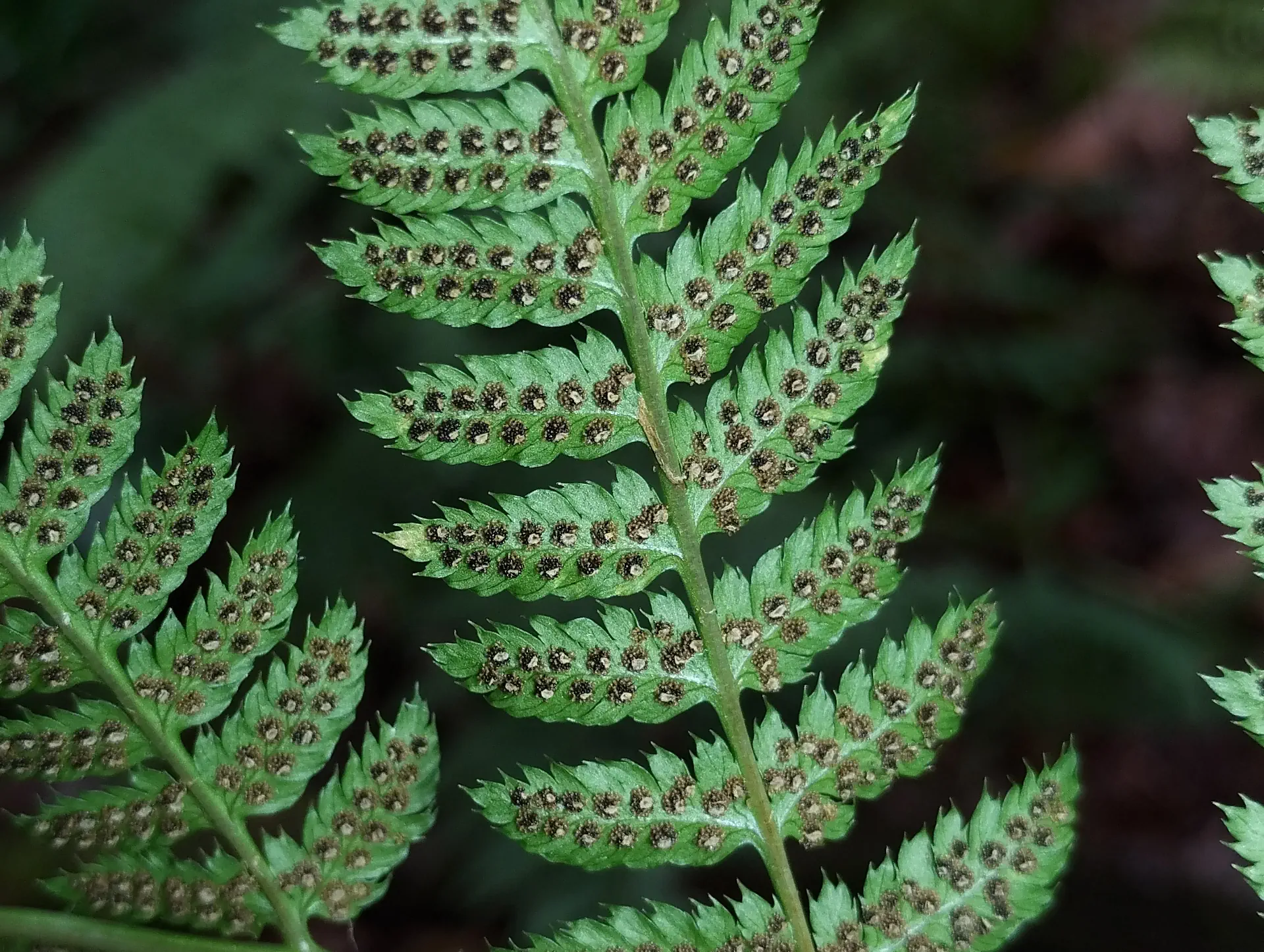
Possible confusion with D. remota (A.Braun ex Döll) Druce, 1908, which has a black spot at the junction of the pinnae with the rachis, visible on the abaxial side. Being an apomictic triploid (2n = 123), D. remota also shows a proportion of aborted spores.
Allotetraploid (2n = 164; IISS). Resulting from the cross of D. intermedia A.Gray, 1848 × D. “semicristata”, followed by a doubling of the chromosome number.
The following infraspecific taxa are accepted:
- D. carthusiana var. carthusiana (Vill.) H.P.Fuchs, 1959, P;
- D. carthusiana var. enigmatica Harmaja, 2012.
Hybridizes with:
- D. dilatata (Hoffm.) A.Gray, 1848 to produce D. × deweveri (Jansen) Jansen & Wachter, 1934: tetraploid (2n = 164; EIIS), P;
- D. expansa (C.Presl) Fraser-Jenk. & Jermy, 1977 to produce D. × sarvelae Fraser-Jenk. & Jermy, 1977: triploid (2n = 123; EIS), P;
- D. filix-mas (L.) Schott, 1834 to produce D. × brathaica Fraser-Jenk. & Reichst., 1977: tetraploid (2n = 164; CIOS), P;
- D. remota (A.Braun ex Döll) Druce, 1908 to produce D. × alpirsbachensis Freigang, Zenner, Bujnoch, S.Jess. & Magauer, 2017: pentaploid (2n = 205; ???IS), P.
Photographs
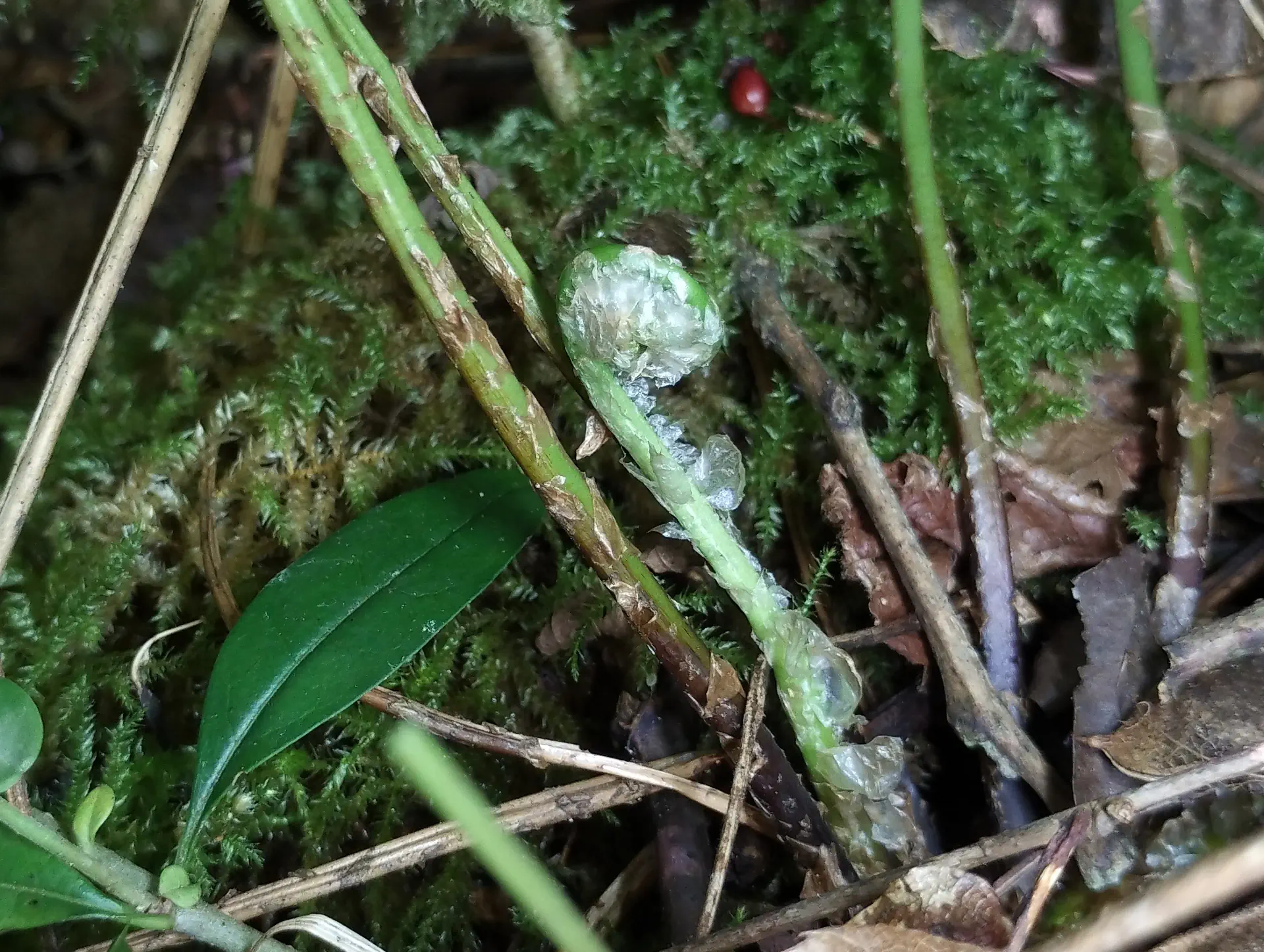
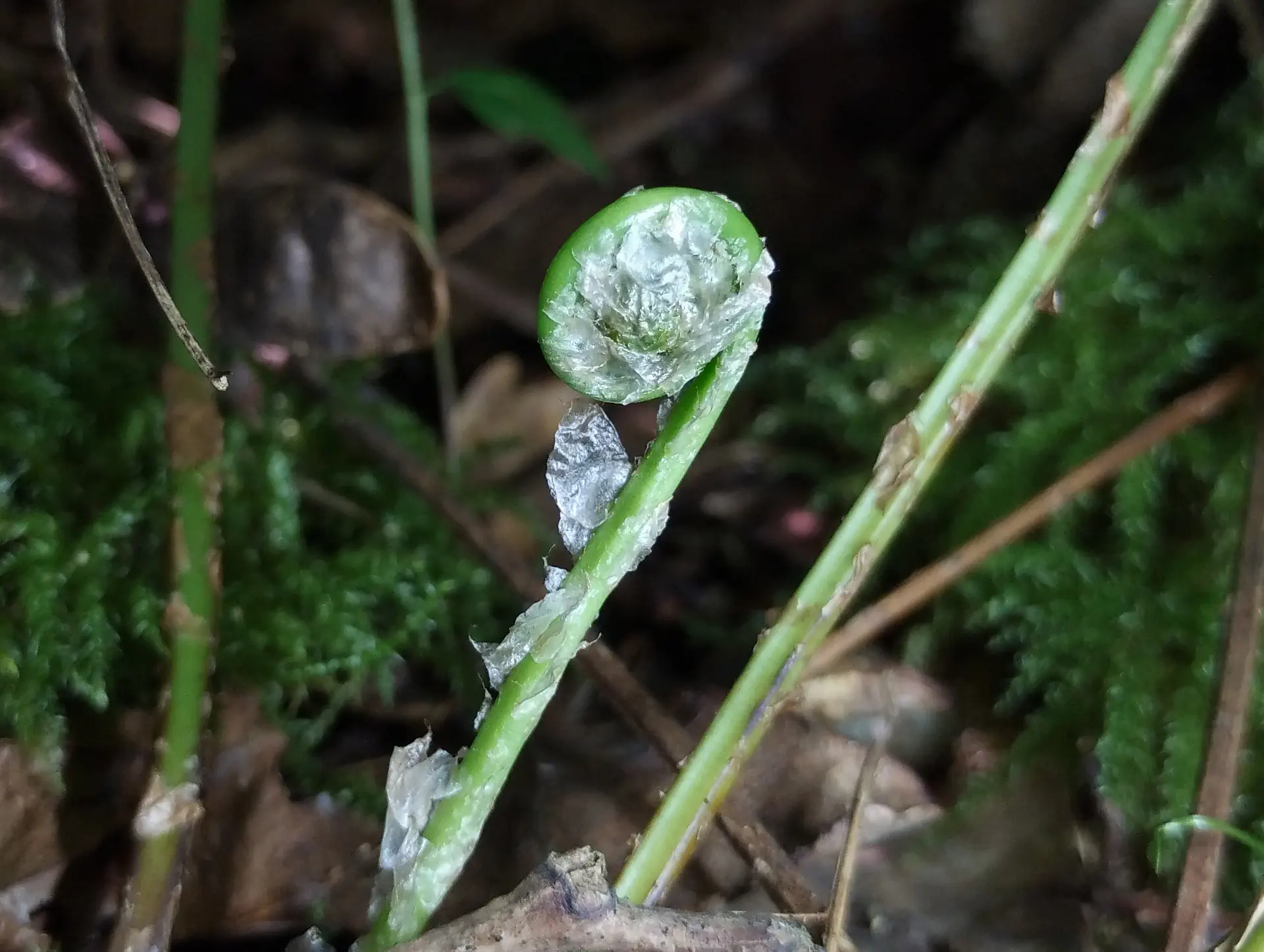
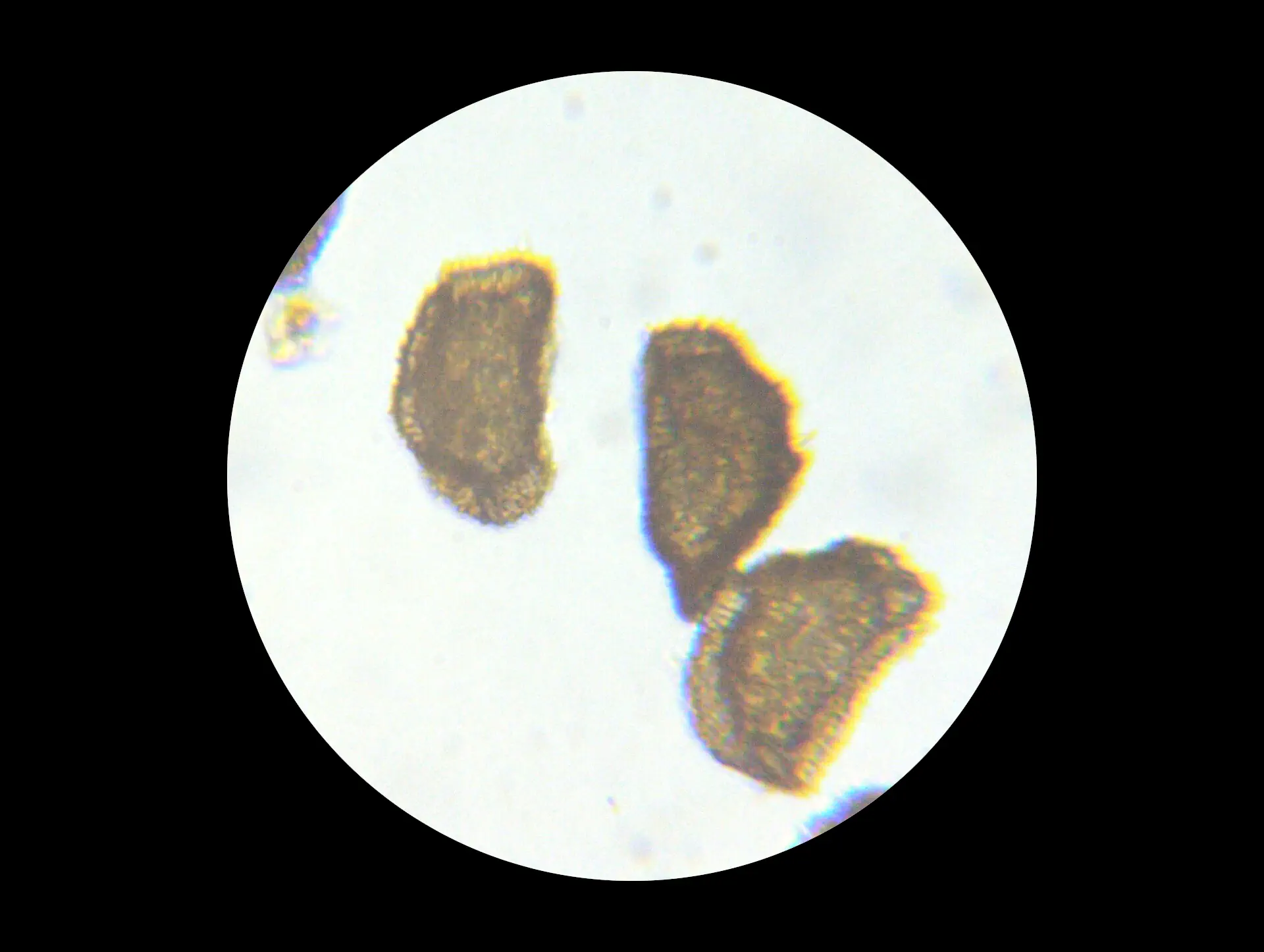
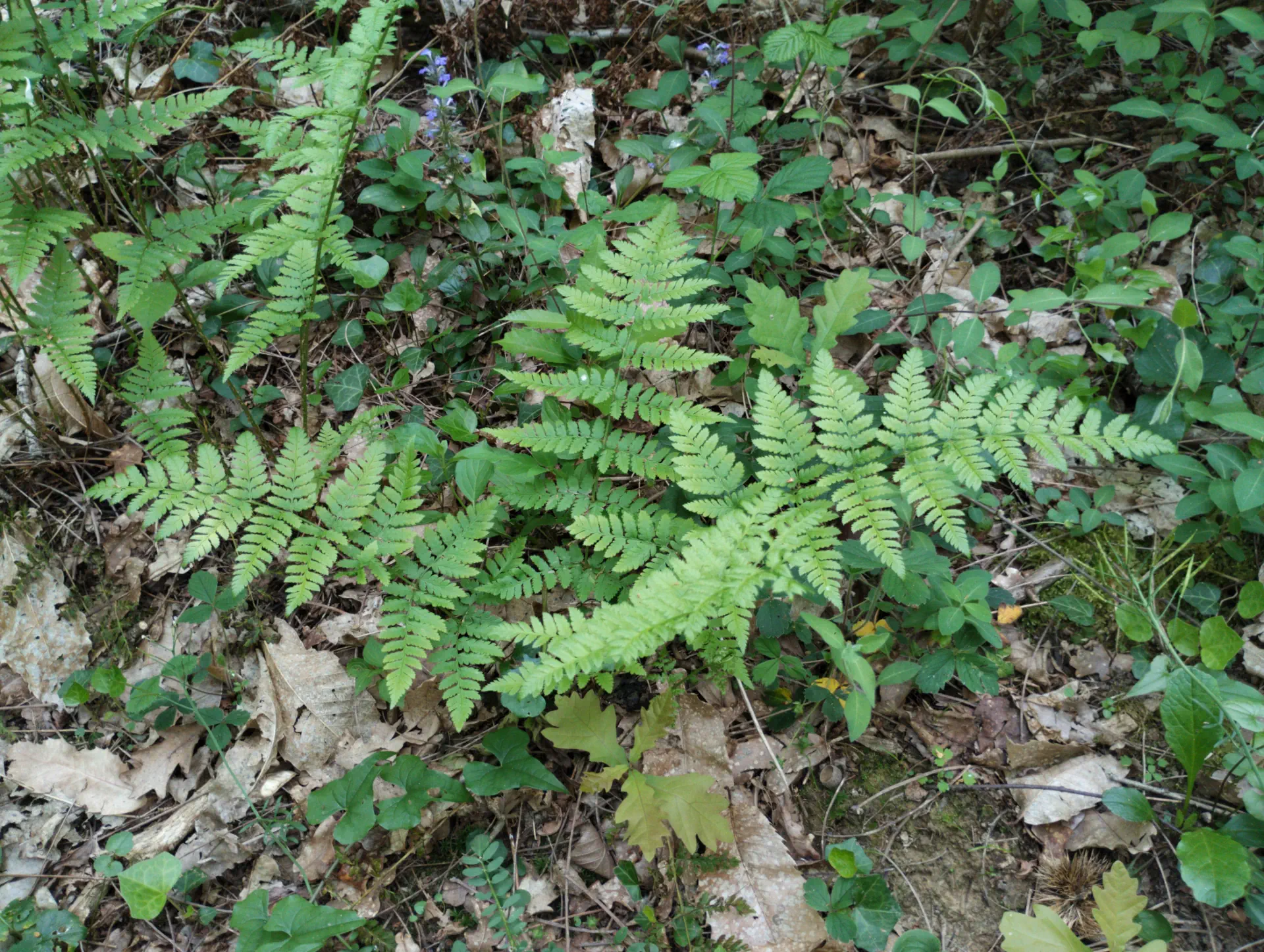
Sources
Badré, F., & Deschatres, R. (1979). Les Ptéridophytes de la France : liste commentée des espèces (taxinomie, cytologie, écologie et répartition générale). Candollea, 34(2), 379-457. https://doi.org/10.5169/seals-880127
Boudrie, M., Garraud, L., & Rasbach, H. (1994). Discovery of Dryopteris × brathaica in france (Dryopteridaceae: Pteridophyta). The Fern Gazette, 14(7), 237-244. https://www.theferngazette.org/index.php/pub/article/view/327
Corley, H., & Gibby, M. (1981). Dryopteris × sarvelae in Scotland; A new hybrid for the British Isles. The Fern Gazette, 12(3), 178. https://www.theferngazette.org/index.php/pub/article/view/192
Freigang, J., Zenner, G., Bujnoch, W., Jessen, S., & Magauer, M. (2017). Dryopteris ×alpirsbachensis, hybr. nov. - erster Nachweis der Naturhybride zwischen Dryopteris carthusiana und Dryopteris remota (Dryopteridaceae, Pteridophyta). Kochia, 10, 11-33. https://doi.org/10.21248/kochia.v10.57
Hornych, O., Ekrt, L., Riedel, F., Koutecký, P., & Košnar, J. (2019). Asymmetric hybridization in Central European populations of the Dryopteris carthusiana group. American Journal of Botany, 106(11), 1-10. https://doi.org/10.1002/ajb2.1369
Prelli, R., & Boudrie, M. (2024). Les fougères et plantes alliées d’Europe (2nd ed., p. 373). Biotope.
Tison, J.M., & de Foucault, B. (2014). Flora Gallica : Flore de France (p. 13). Biotope.
Tlałka, D. (2023). Dryopteris × sarvelae (Dryopteridaceae): A new taxon for the flora of Poland. The Fern Gazette, 22(1), 35-43. https://www.theferngazette.org/index.php/pub/article/view/488
Väre, H., Bento Elias, R., Christenhusz, M., Dyer, R., Ivanenko, Y., Rouhan, G., & Rumsey, F. (2017). Dryopteris carthusiana (Europe assessment). The IUCN Red List of Threatened Species, 2017. https://www.iucnredlist.org/species/83645968/85424377