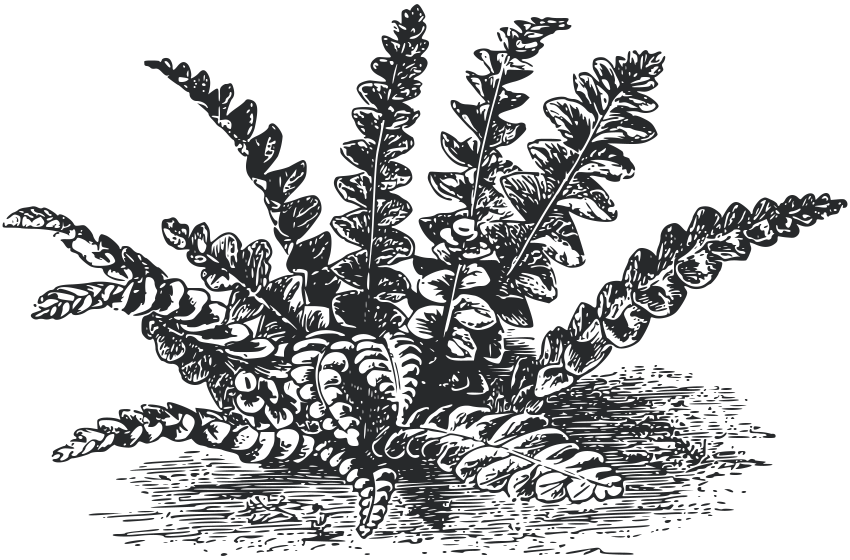
Dryopteris × complexa Fraser-Jenk., 1987
🇫🇷 Dryoptéride complexe, Dryoptéris complexe
Taxonomy
- Kingdom: Plantae
- Clade: Tracheophytes
- Clade: Monilophytes
- Class: Polypodiopsida
- Subclass: Polypodiidae
- Order: Polypodiales
- Suborder: Polypodiineae
- Family: Dryopteridaceae
- Subfamily: Dryopteridoideae
- Genus: Dryopteris
- Hybrid: Dryopteris × complexa
Presence
Present.
Notes
Hybrid of D. affinis (Lowe) Fraser-Jenk., 1979 × D. filix-mas (L.) Schott, 1834. Tetraploid (2n = 164).
This hybrid is rare and occurs in mixed populations of D. affinis and D. filix-mas. It cannot be easily recognized in the field, except for its uncommon appearance, which may catch the eye.
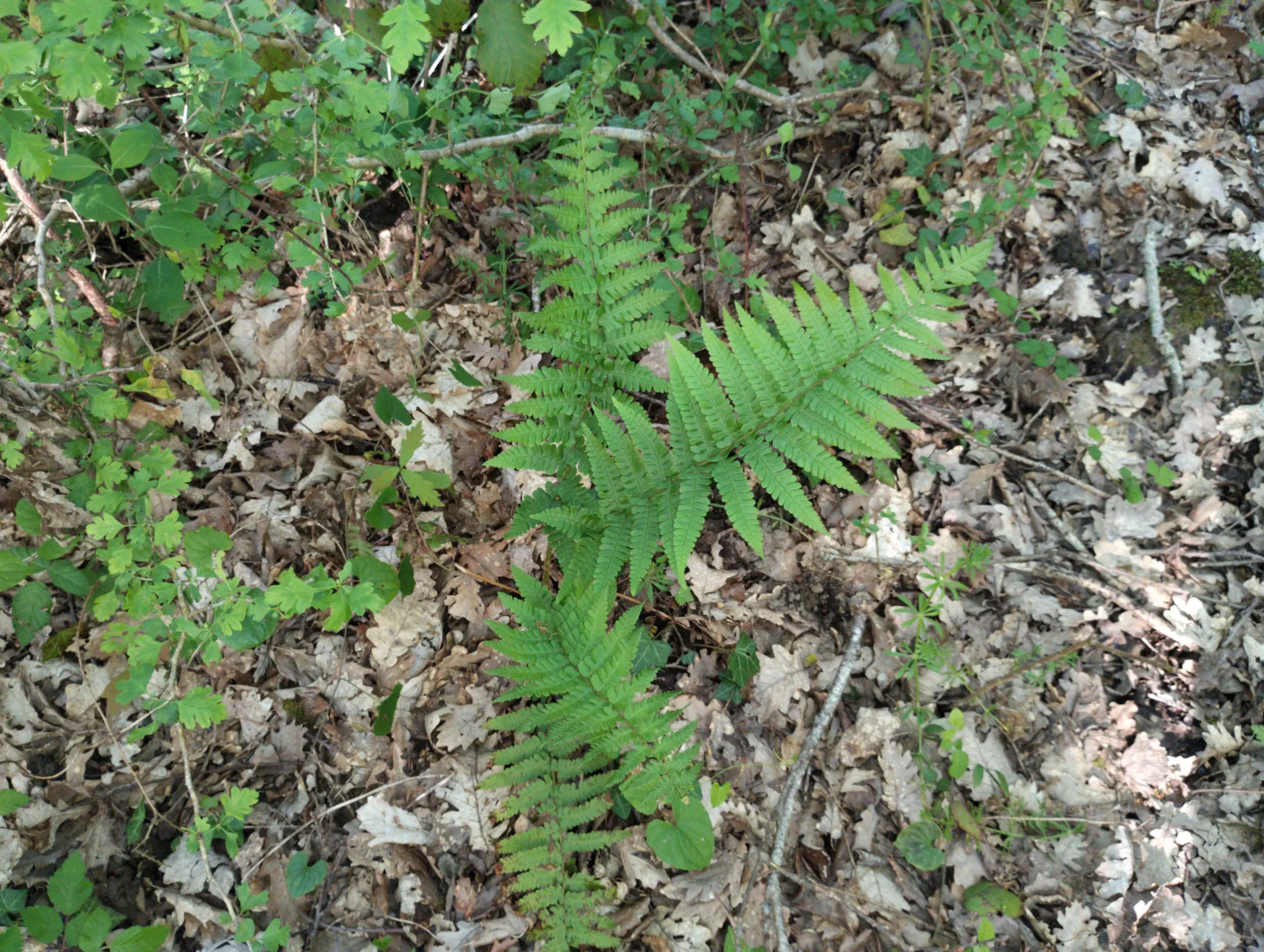
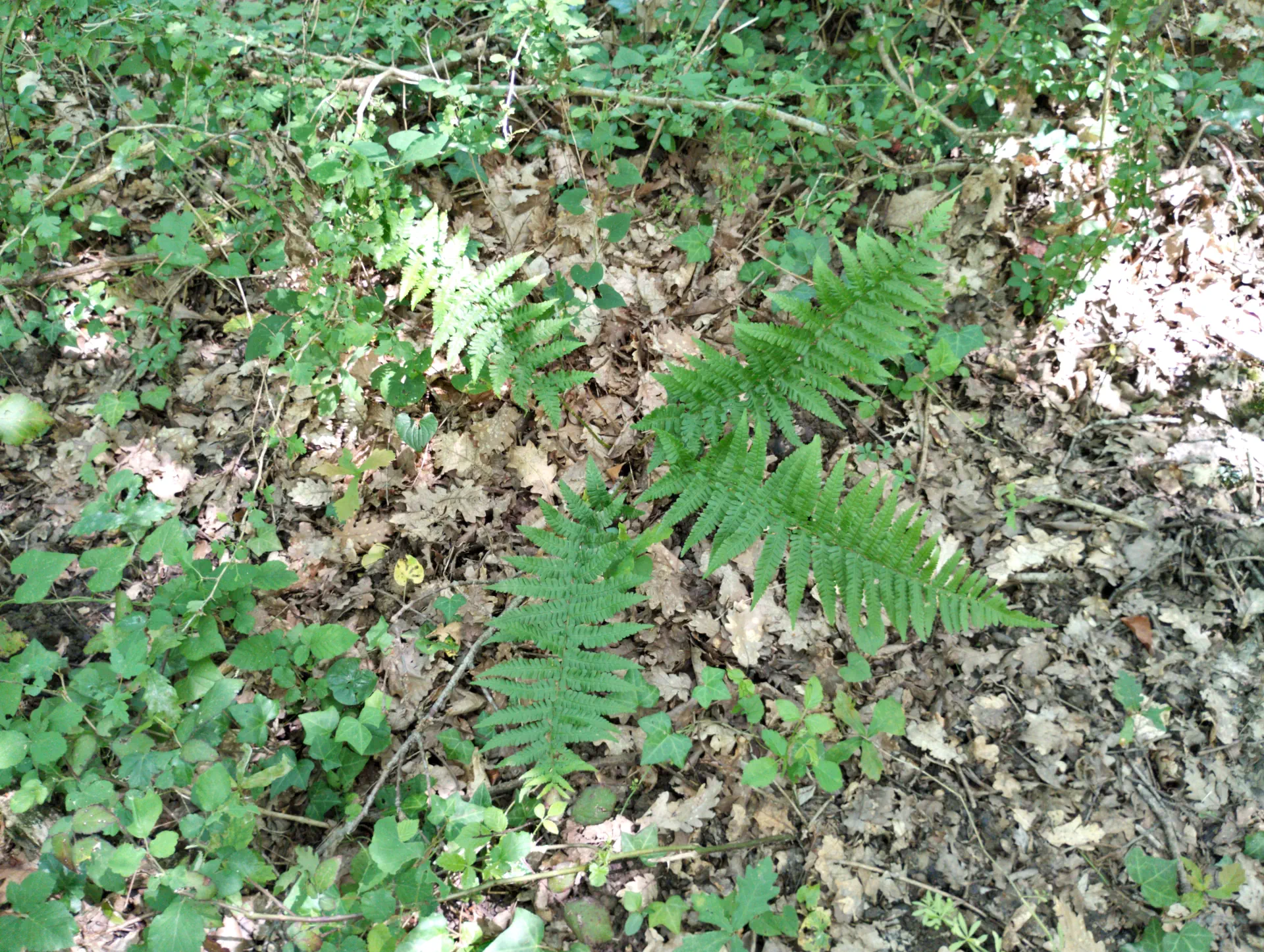
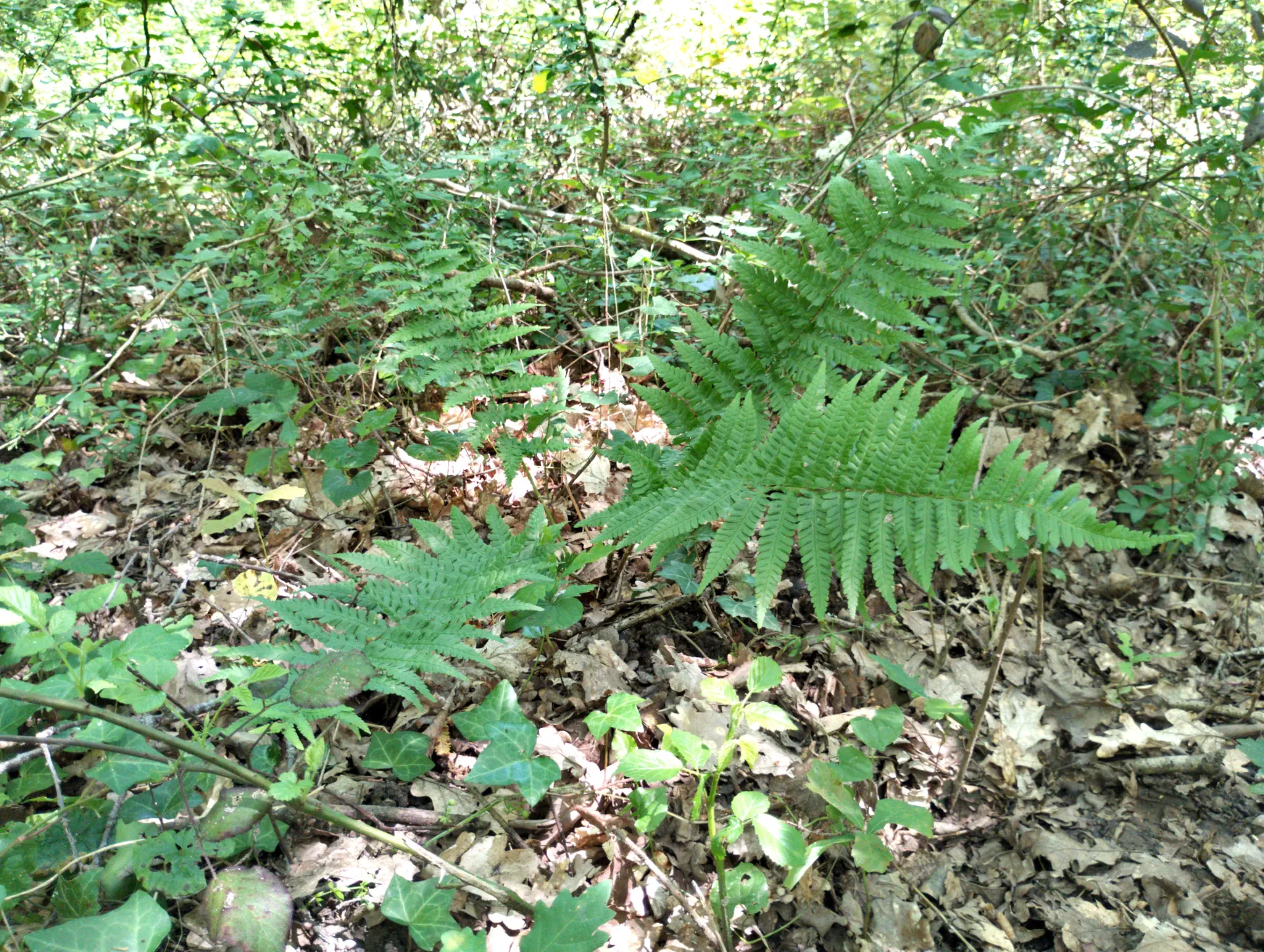
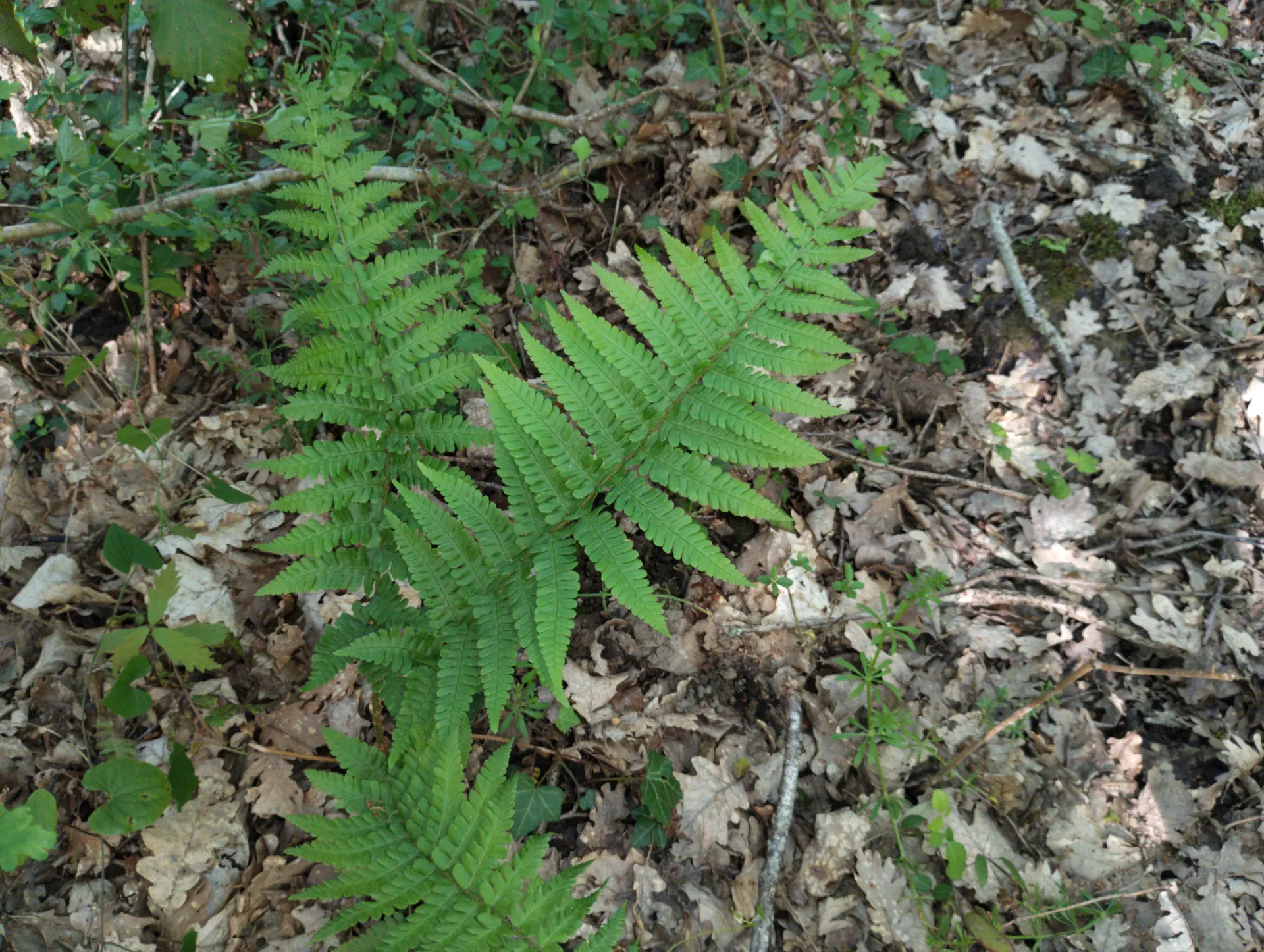
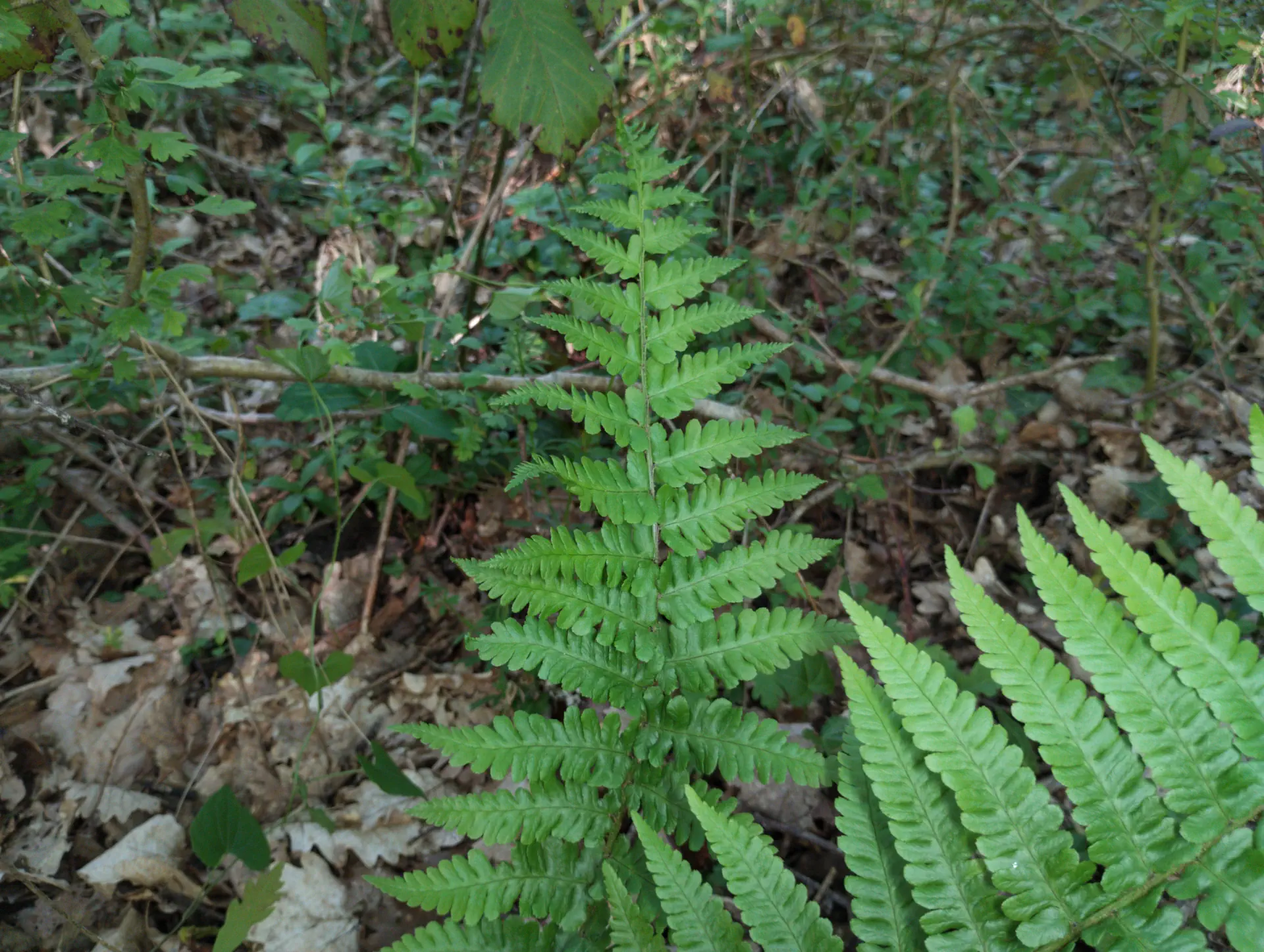
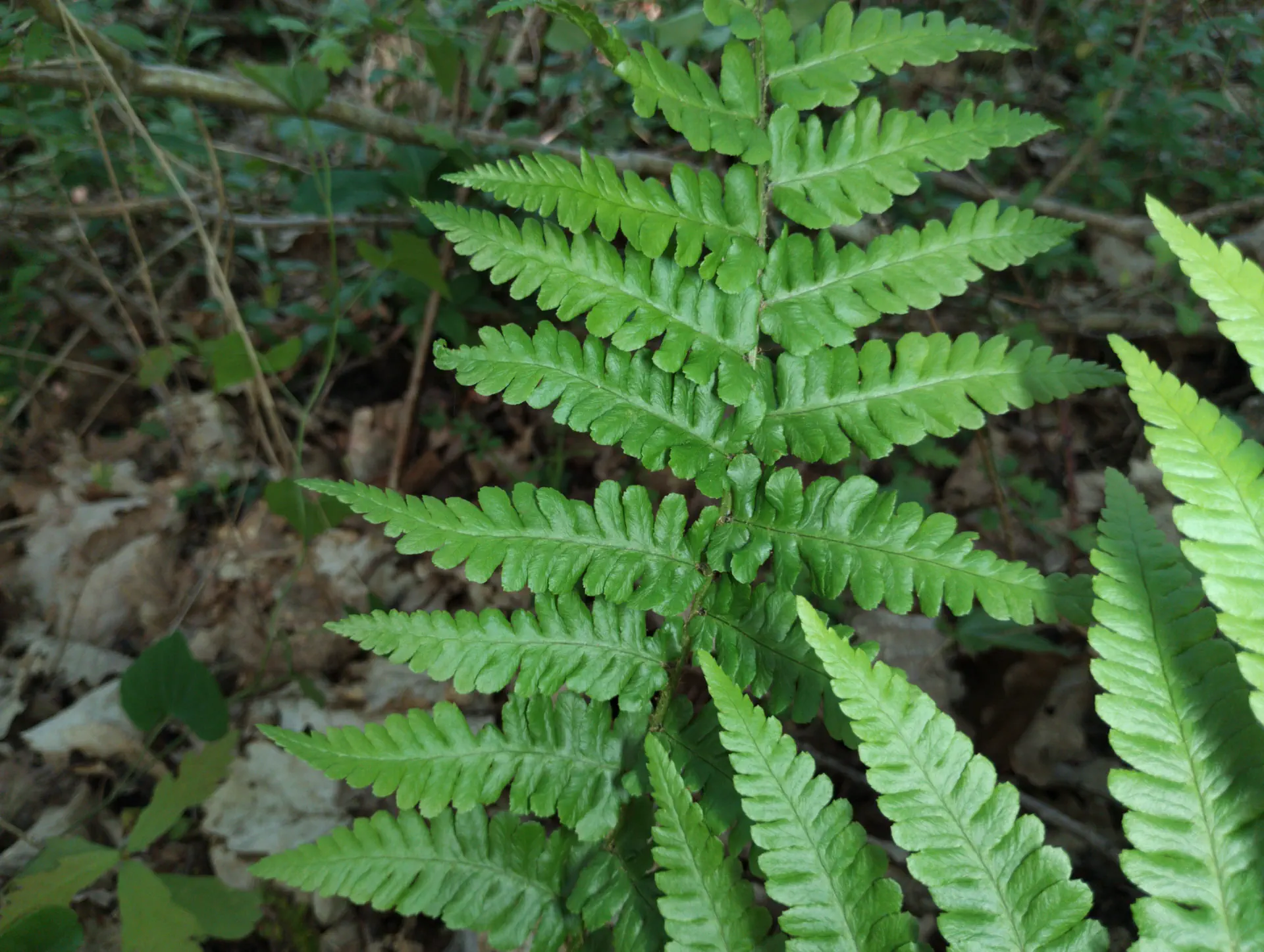
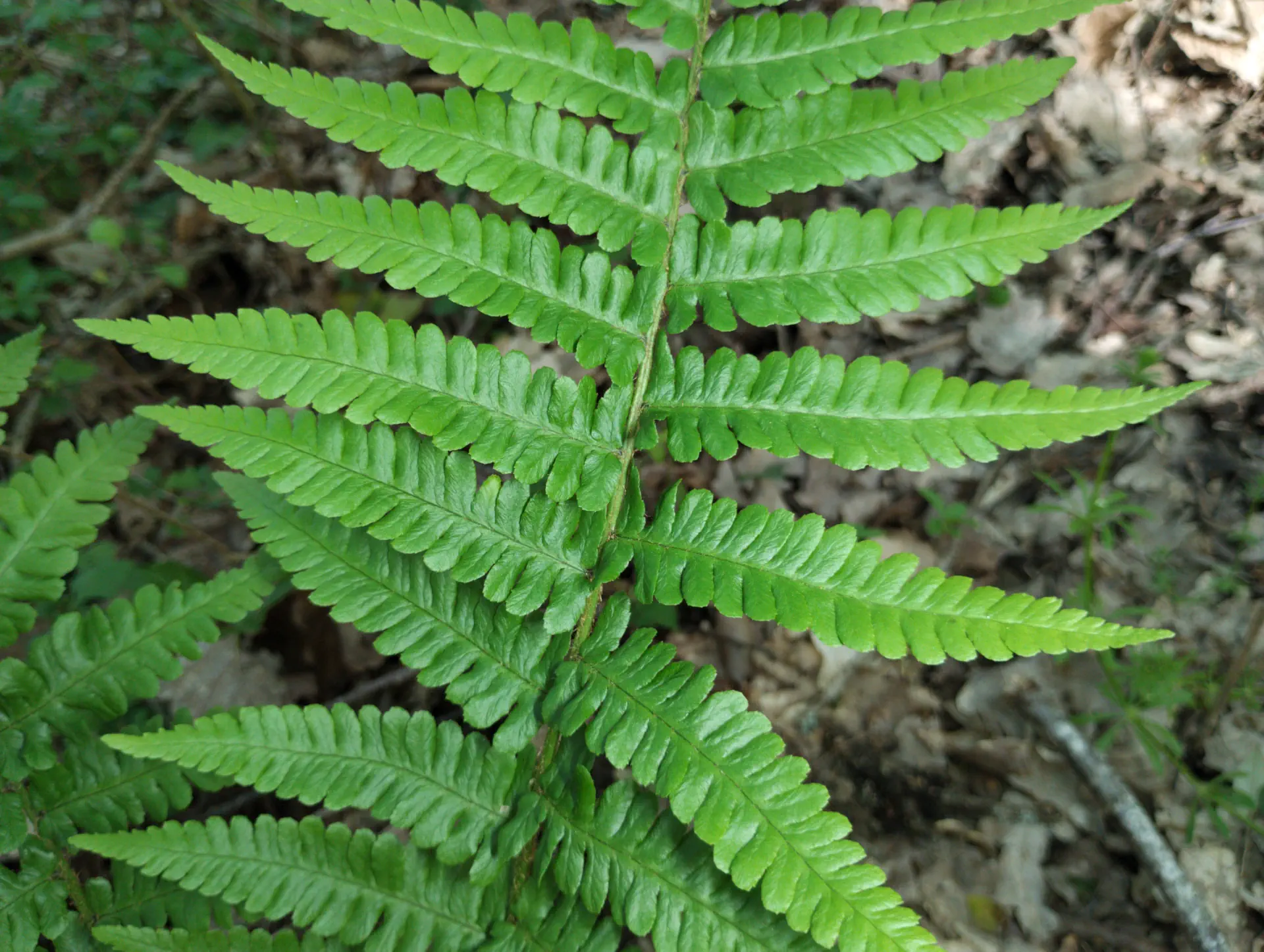
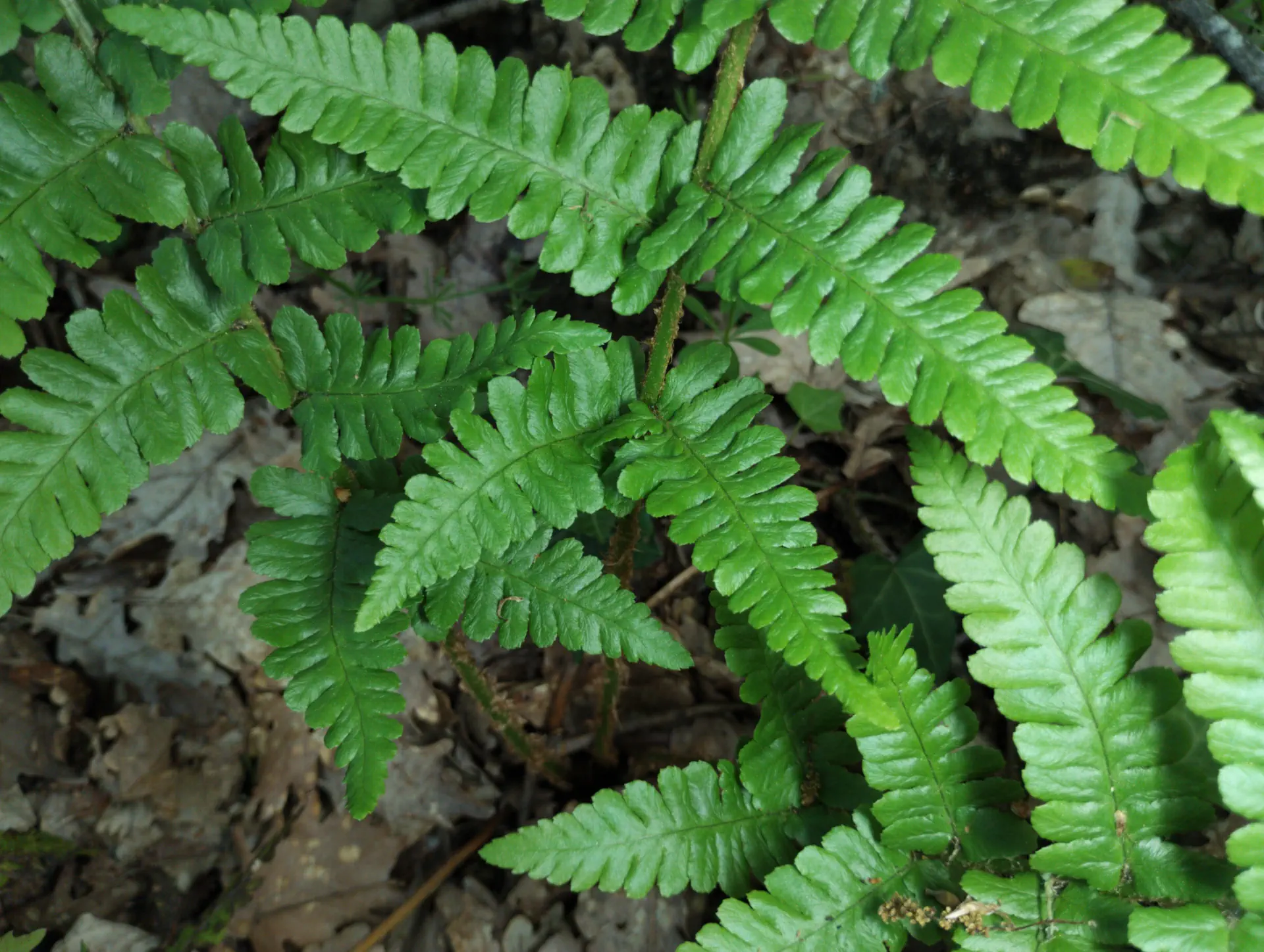
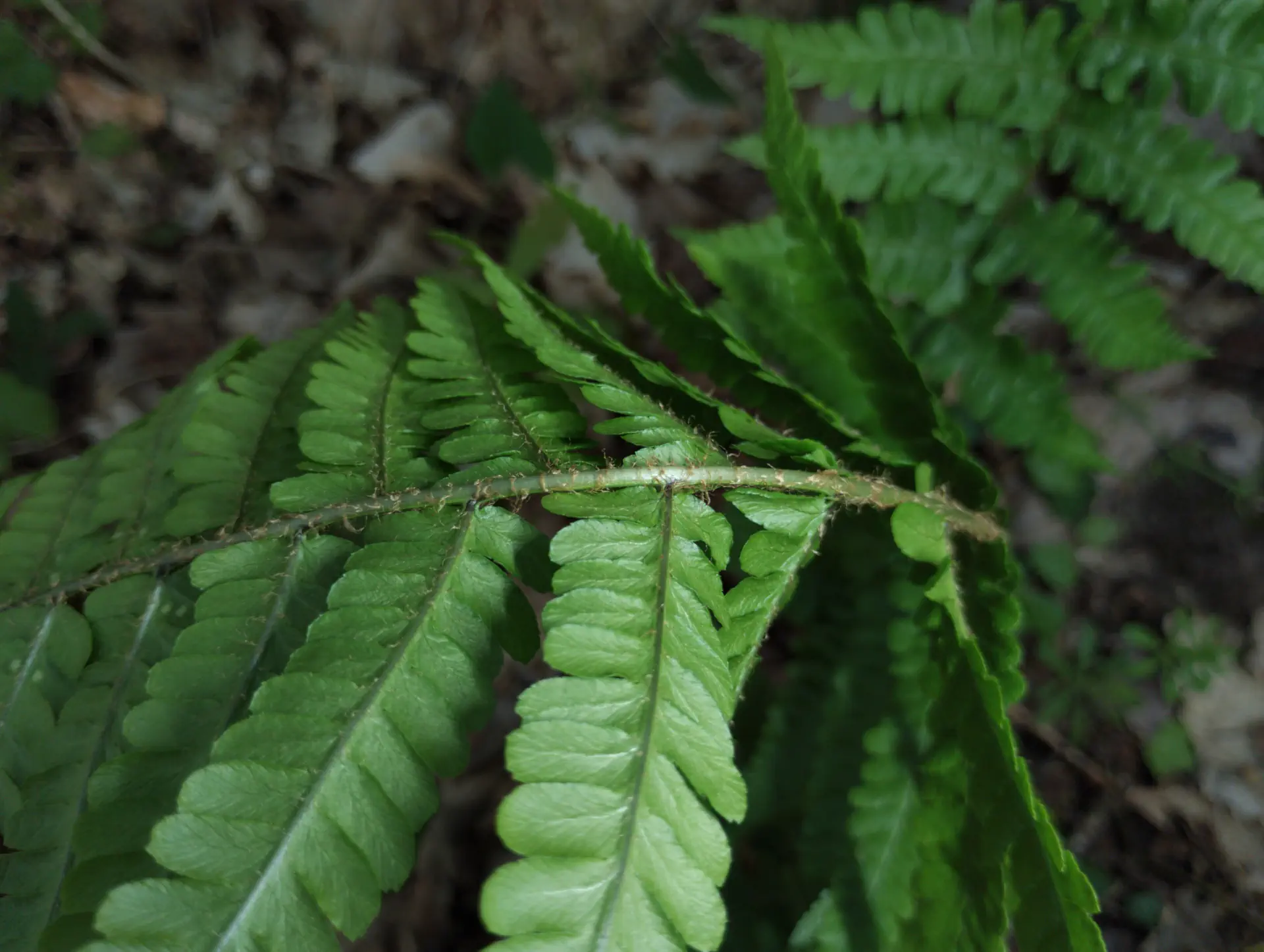
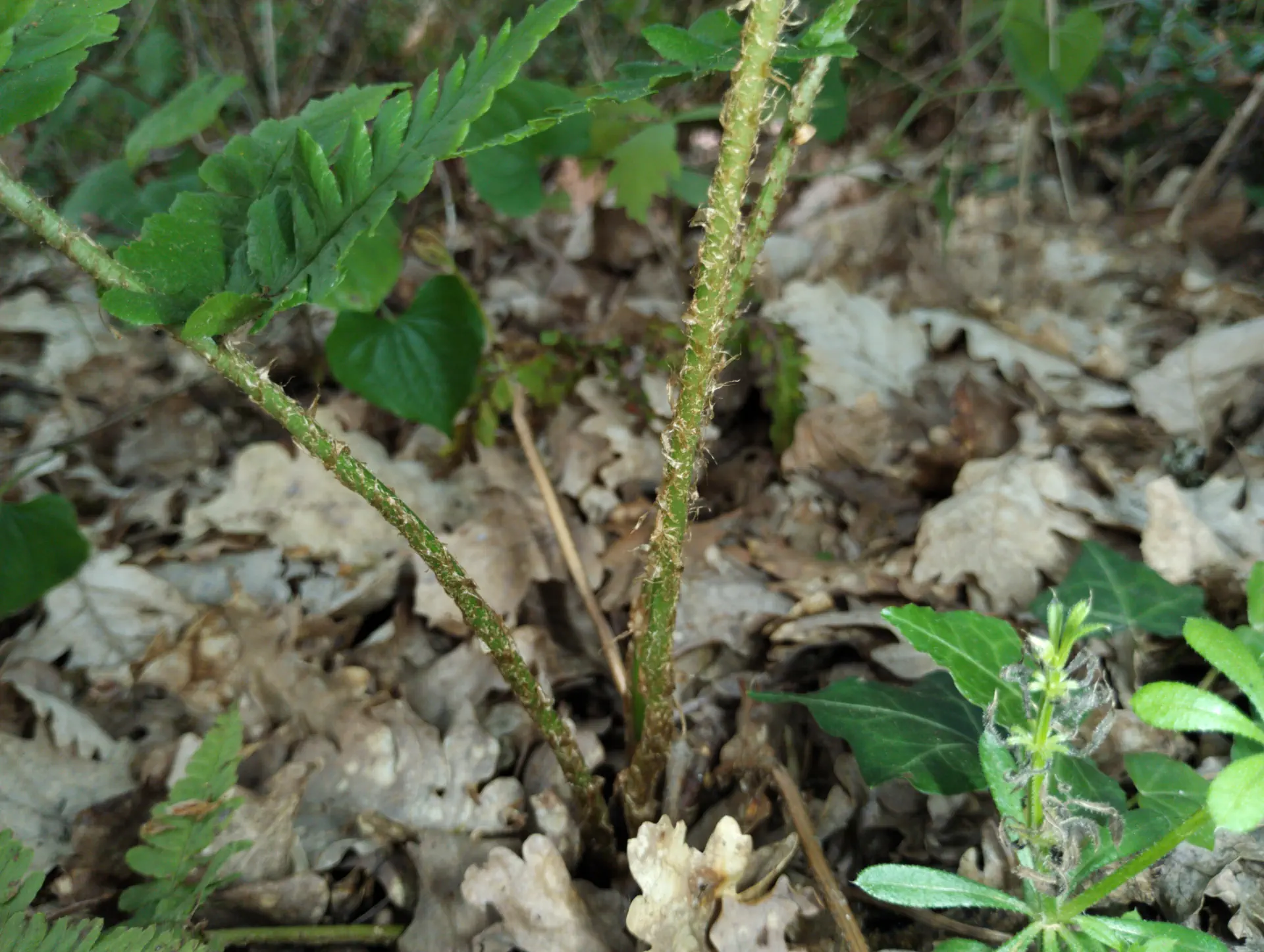
The individual below was found on the margin of a mixed population of D. affinis and D. filix-mas, with no other Dryopteris species present. The pinnules are obtuse, sparsely toothed, partially overlapping and with a crisped appearance. The fronds are a deeper green than those of D. affinis and D. filix-mas at the same stage of development, with a leathery, glossy appearance, and are somewhat twisted. The fronds bear almost no indusia (fewer than 30, only on a single frond), while those of nearby D. affinis and D. filix-mas individuals bear plenty of. Their stage of development does not allow verification of the presence or viability of spores.
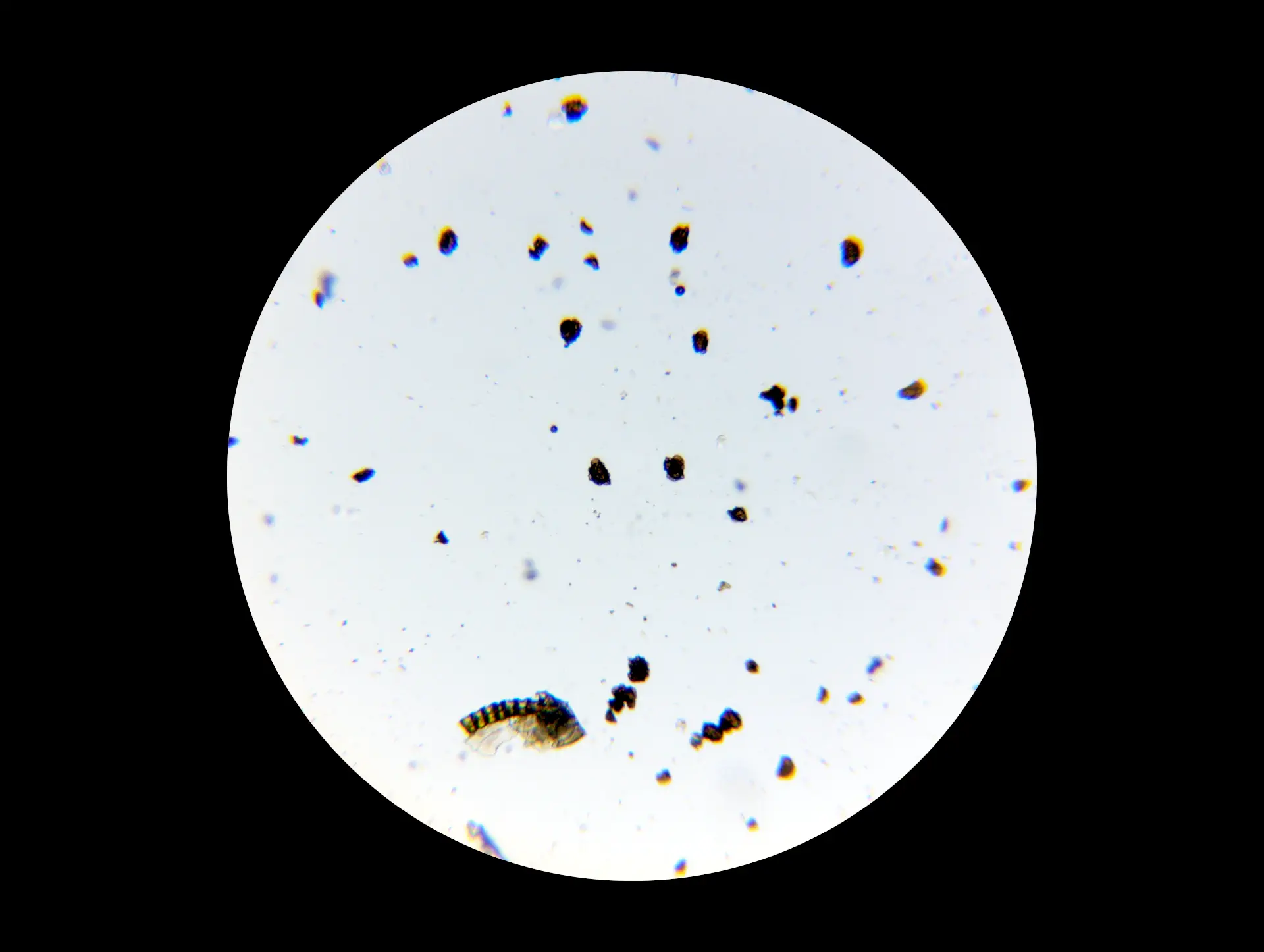
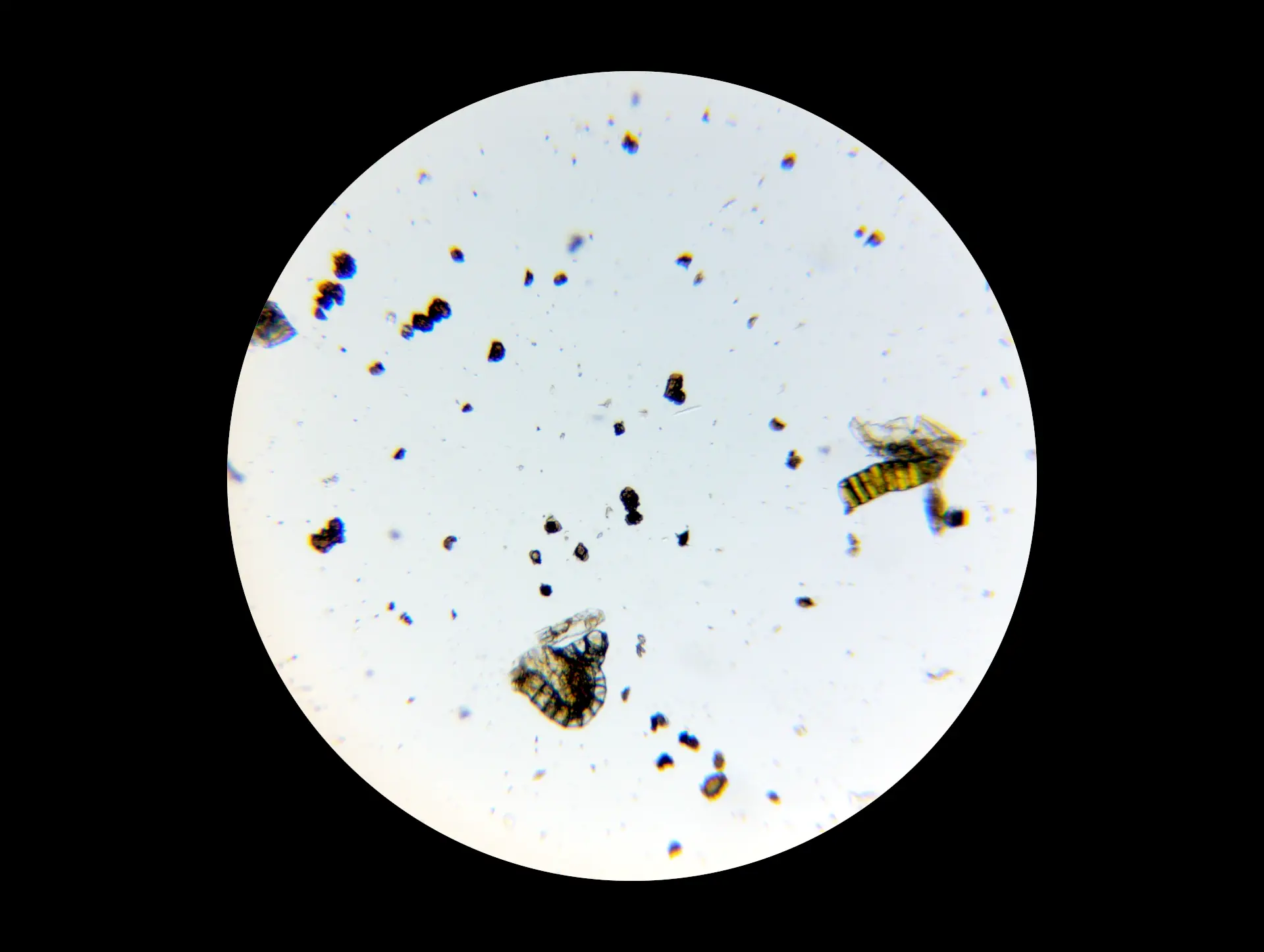
May 23, 2026: Sporangia are now mature, and spore verification was conducted. The spores are aborted, of variable size. The plant has also grown a fourth frond, with characteristics similar to the others.
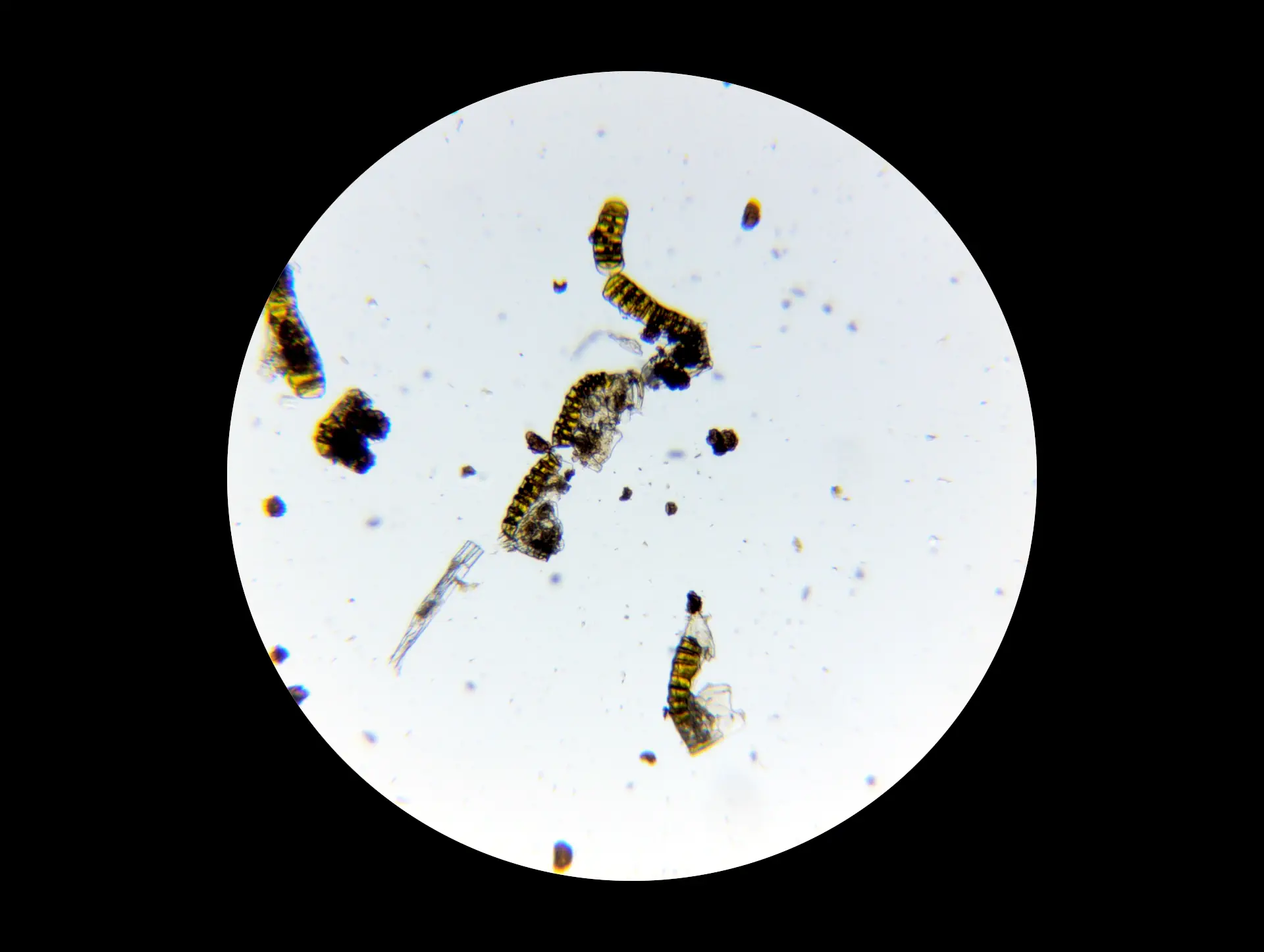
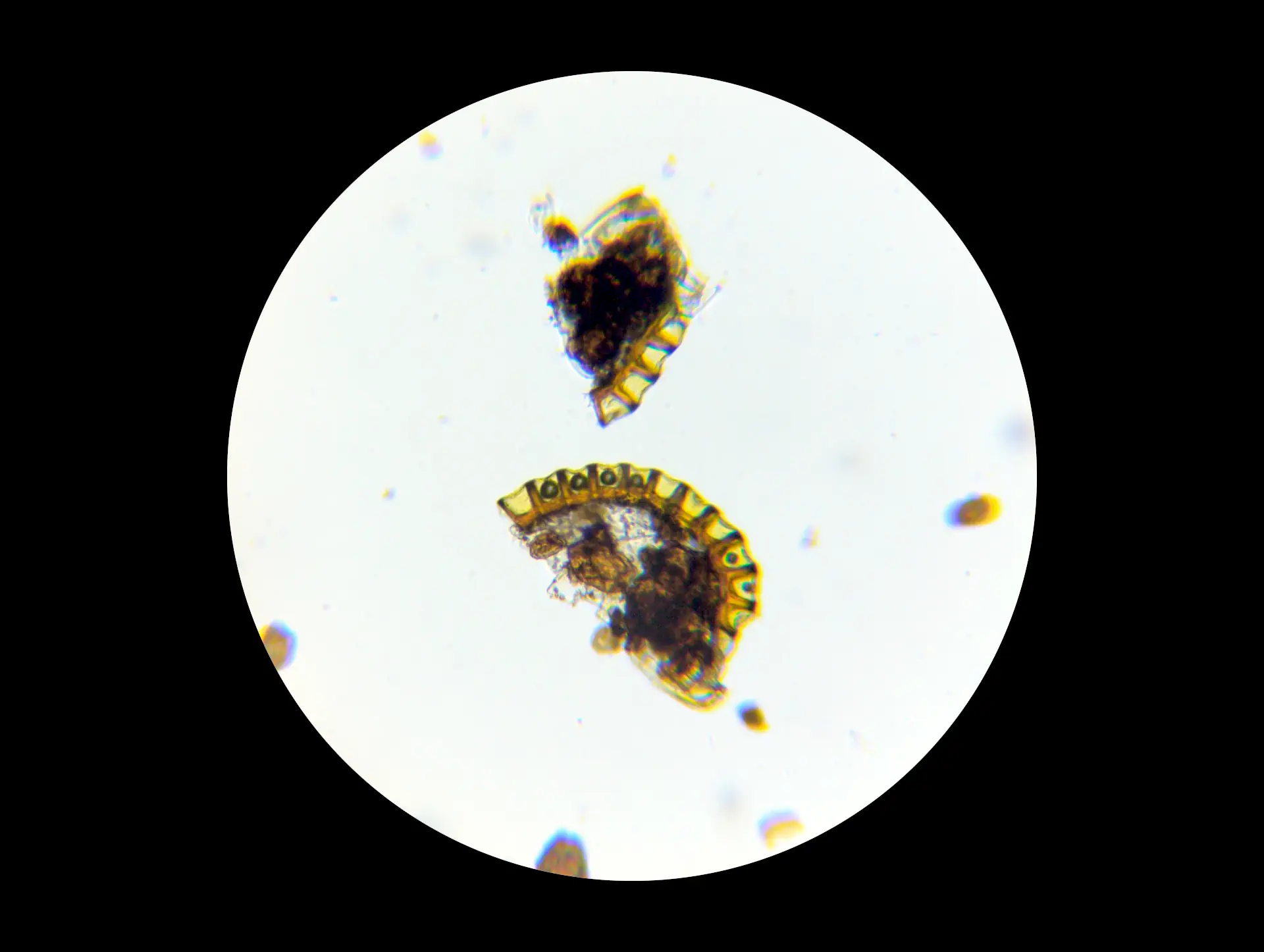
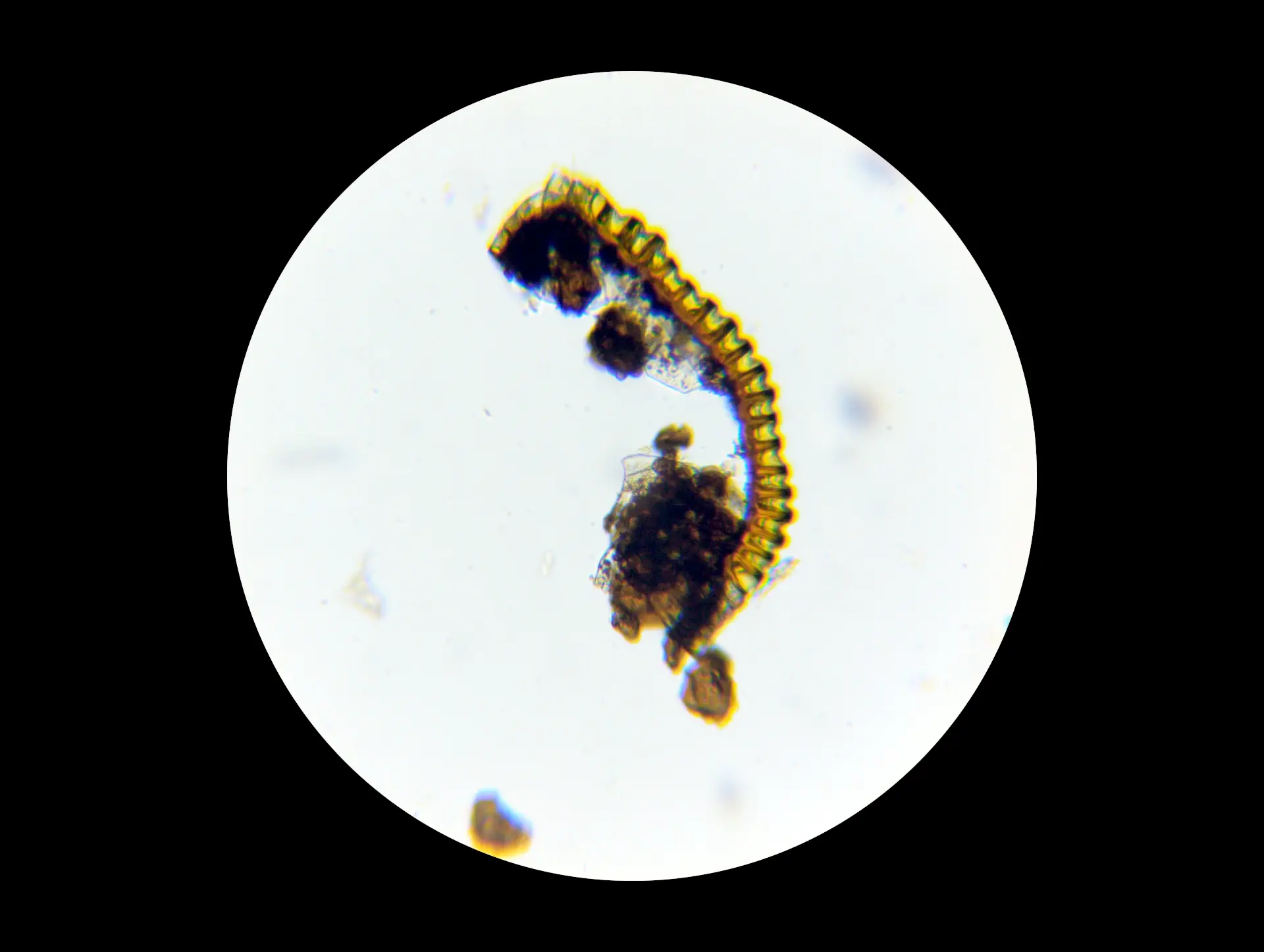
Identification could be confirmed based on the correlation between stomatal length and ploidy level in the D. affinis complex (Bizot, 2015; Bär et al., 2020; Evans et al., 2026). Photographs of the stomata of this individual and of an individual of D. affinis used as a reference were taken with an optical microscope at 400× magnification. The stomata were measured, and the measurements were compared with those reported by Bizot, Bär et al., and Evans et al.
The table below summarizes the average length of stomata reported by the aforementioned authors for species of the D. affinis complex present in the prospected area, as well as for the two potential hybrids with D. filix-mas. The ratio for the different taxa relative to D. affinis was added to facilitate comparison of the results and to compensate for a possible calibration error, although this proved unnecessary.
| Taxon | Ploidy | Bizot, 2015 | Bär et al., 2020 | Evans et al., 2026 |
|---|---|---|---|---|
| D. affinis | 2x | 45 | 46.7 | 44.5 |
| D. borreri | 3x | 50.4 (1.12) | 52.7 (1.13) | 48.95 (1.1) |
| D. complexa | 4x | 56-58 (1.24-1.29) | 61.6 (1.32) | 55.8 (1.25) |
| D. critica | 5x | 61 (1.36) | 66.4 (1.43) | 60.4 (1.36) |
The measurement of twelve stomata on an individual of D. affinis collected near the hypothetical hybrid yielded the following results: 41-49 μm, average = 44.9 μm. These results are very close to the reference values for D. affinis according to Bizot and Evans et al., and a little below those reported by Bär et al..
The measurement of twelve stomata on the hypothetical hybrid yielded the following results: 51.6-59.9 μm, average = 56.7 μm, with a ratio of 1.26 relative to D. affinis. Again, these results are very close to the reference values for D. × complexa according to Bizot and Evans et al., and a little below those reported by Bär et al, but still closer to D. × complexa than other taxa.
The length of the stomata, the presence of the two parent species in close proximity, and the overall morphology of the plant allow confirmation that this is indeed the hybrid D. × complexa.
Photographs
Sources
Badré, F., & Deschatres, R. (1979). Les Ptéridophytes de la France : liste commentée des espèces (taxinomie, cytologie, écologie et répartition générale). Candollea, 34(2), 379-457. https://doi.org/10.5169/seals-880127
Bär, A., Bennert, H.W., Czichowski, H.J., Fuchs, J., Gausmann, P., Ivanova, D., Jäger, W., Neuroth, R., Thiel, H., Thiemann, R., & Zenner, G. (2020). Der Dryopteris affinis-Komplex (Dryopteridaceae) im Harz - Identifizierung, Verbreitung, Ökologie. Tuexenia, 40, 345-371. https://doi.org/10.14471/2020.40.011
Bizot, A. (2015). Biométrie stomatique et identification des taxons du complexe Dryopteris affinis. Bulletin de la Société d’Histoire Naturelle des Ardennes, 104, 69-85.
Evans, A.J., Ekrt, L., Bottomley, M., Vejvodová, K., Batke, S.P., & Ashton, P.A. (2026). Using stomatal length to indicate ploidy in the Dryopteris affinis (Dryopteridaceae) complex: does sampling location on the frond matter?. Botanical Journal of the Linnean Society, 210(4), 412-422. https://doi.org/10.1093/botlinnean/boaf054
Prelli, R., & Boudrie, M. (2024). Les fougères et plantes alliées d’Europe (2nd ed., p. 398). Biotope.
Trewren, K. (2014). Some taxa within the Dryopteris affinis complex (p. 28). The British Pteridological Society.