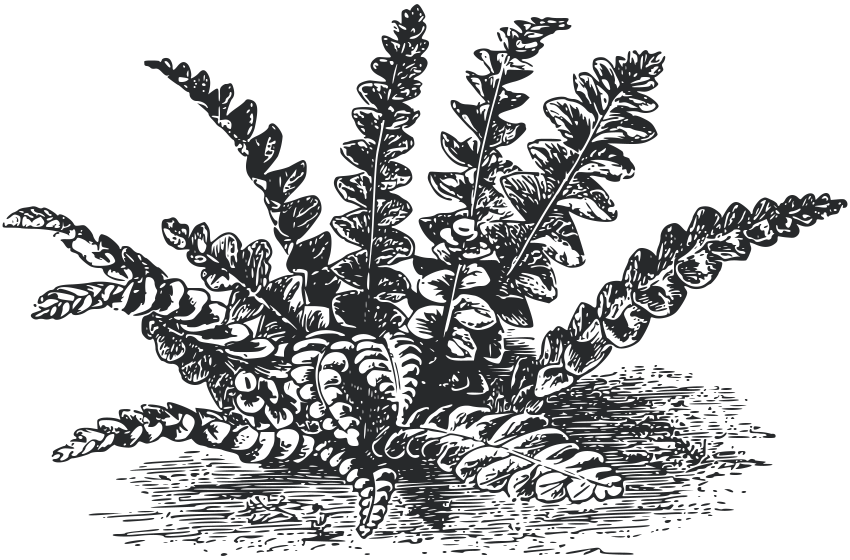
Dryopteris × deweveri (Jansen) Jansen & Wachter, 1934
🇫🇷 Dryoptéride de Dewèvre, Dryoptéris de Dewèvre
Taxonomy
- Kingdom: Plantae
- Clade: Tracheophytes
- Clade: Monilophytes
- Class: Polypodiopsida
- Subclass: Polypodiidae
- Order: Polypodiales
- Suborder: Polypodiineae
- Family: Dryopteridaceae
- Subfamily: Dryopteridoideae
- Genus: Dryopteris
- Hybrid: Dryopteris × deweveri
Presence
Present.
Notes
Hybrid of D. carthusiana (Vill.) H.P.Fuchs, 1959 × D. dilatata (Hoffm.) A.Gray, 1848. Tetraploid (2n = 164).
Possible confusion with D. expansa (C.Presl) Fraser-Jenk. & Jermy, 1977, which is absent below 800 m of altitude.
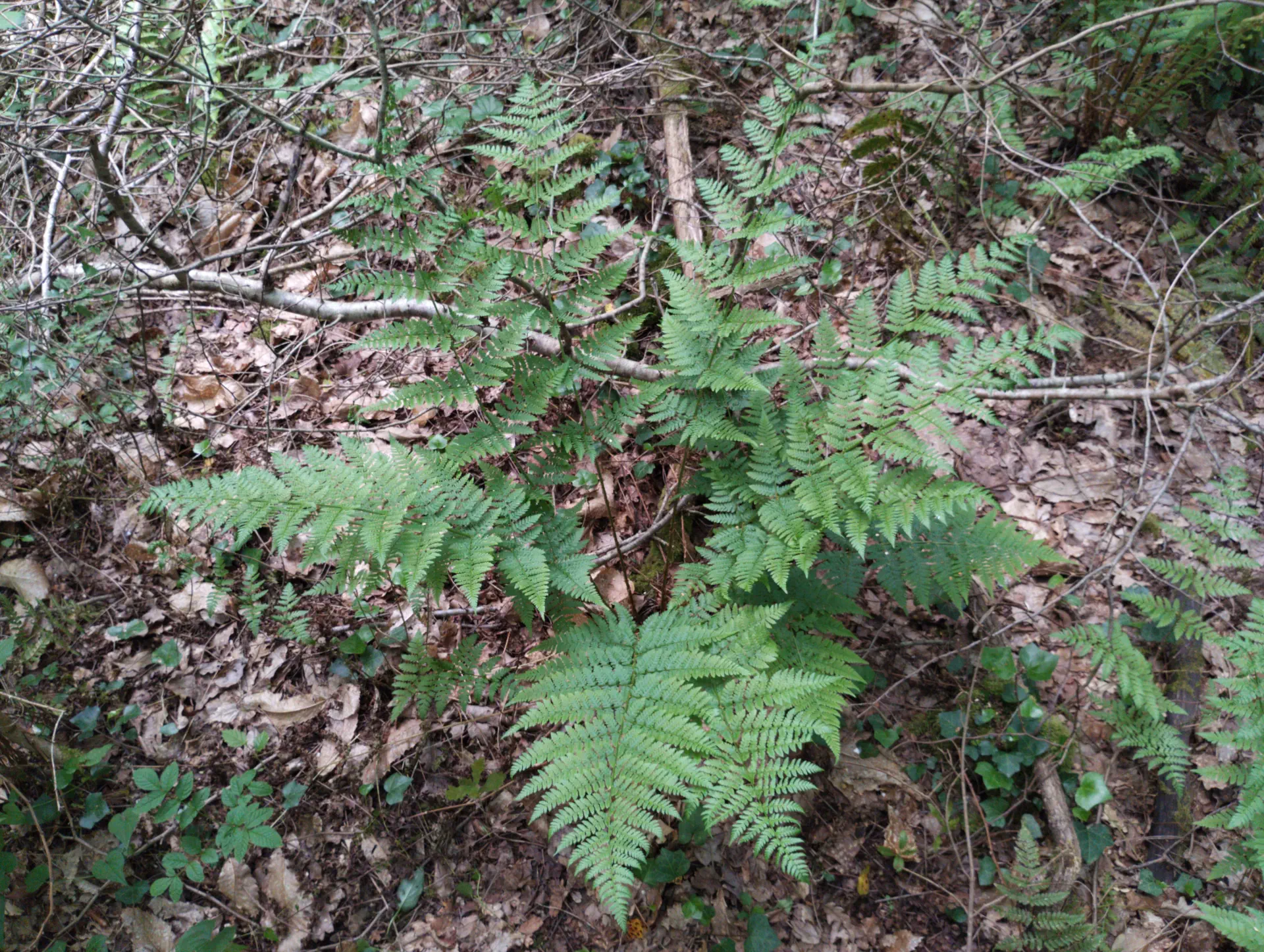
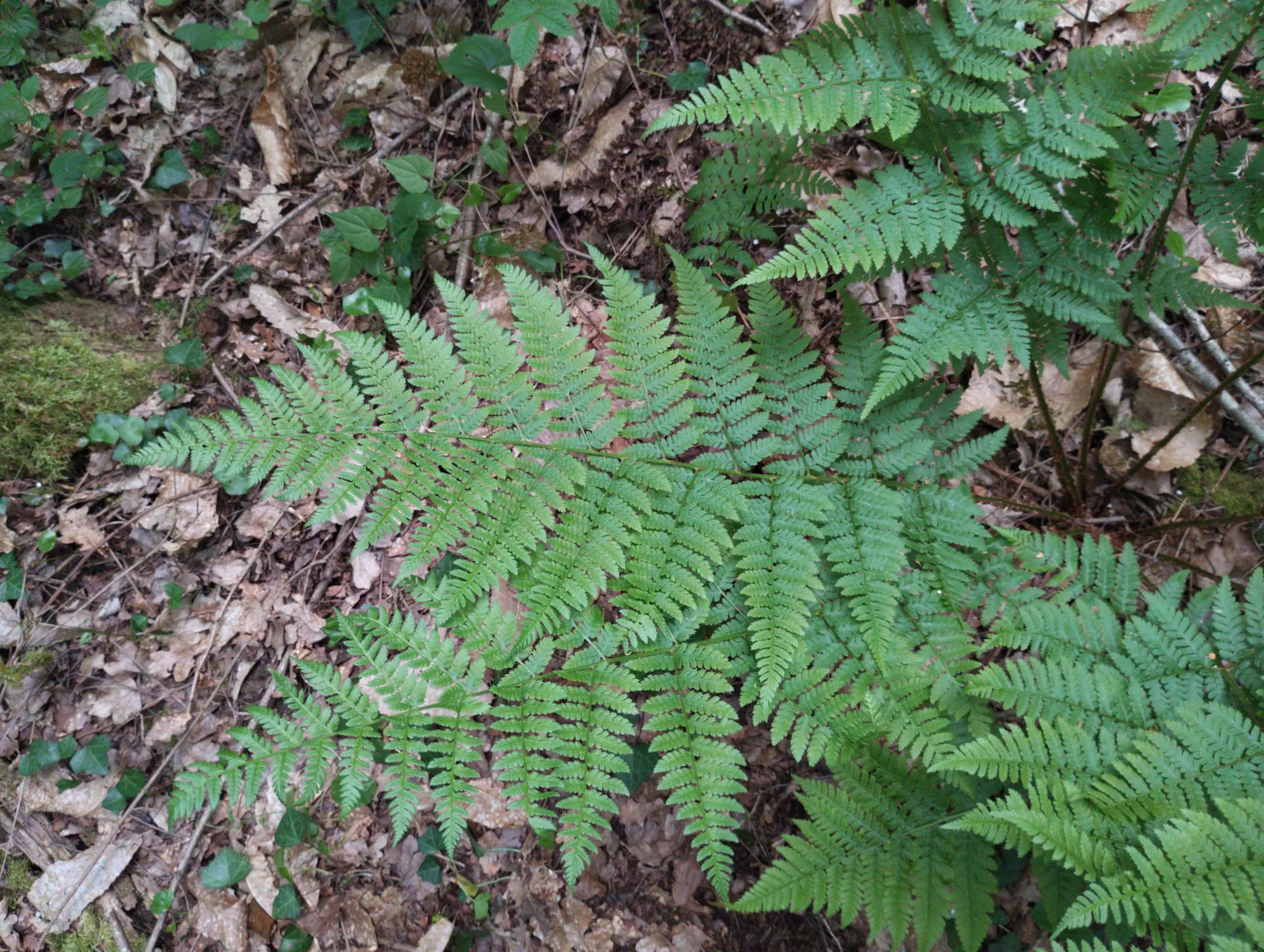
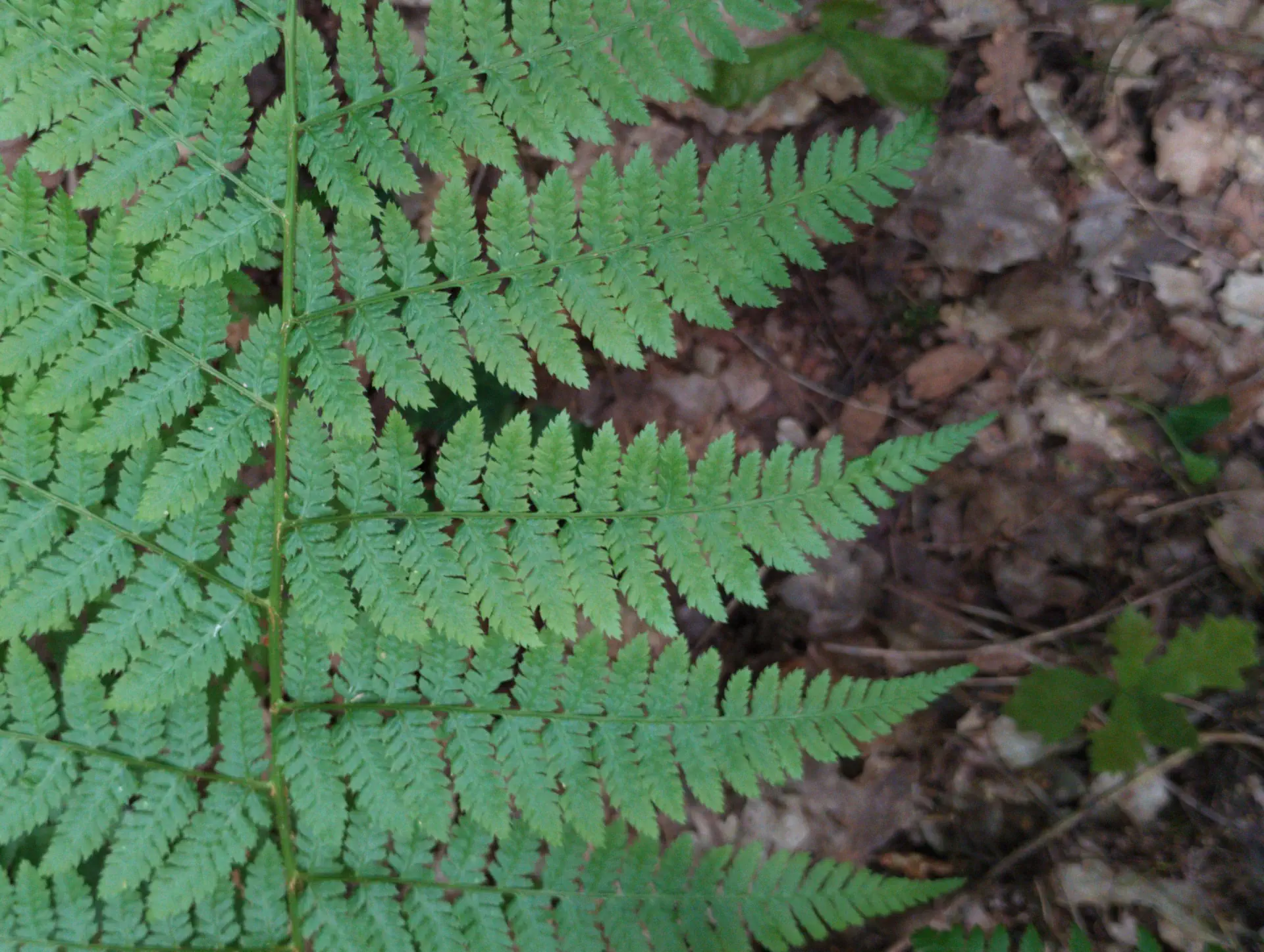
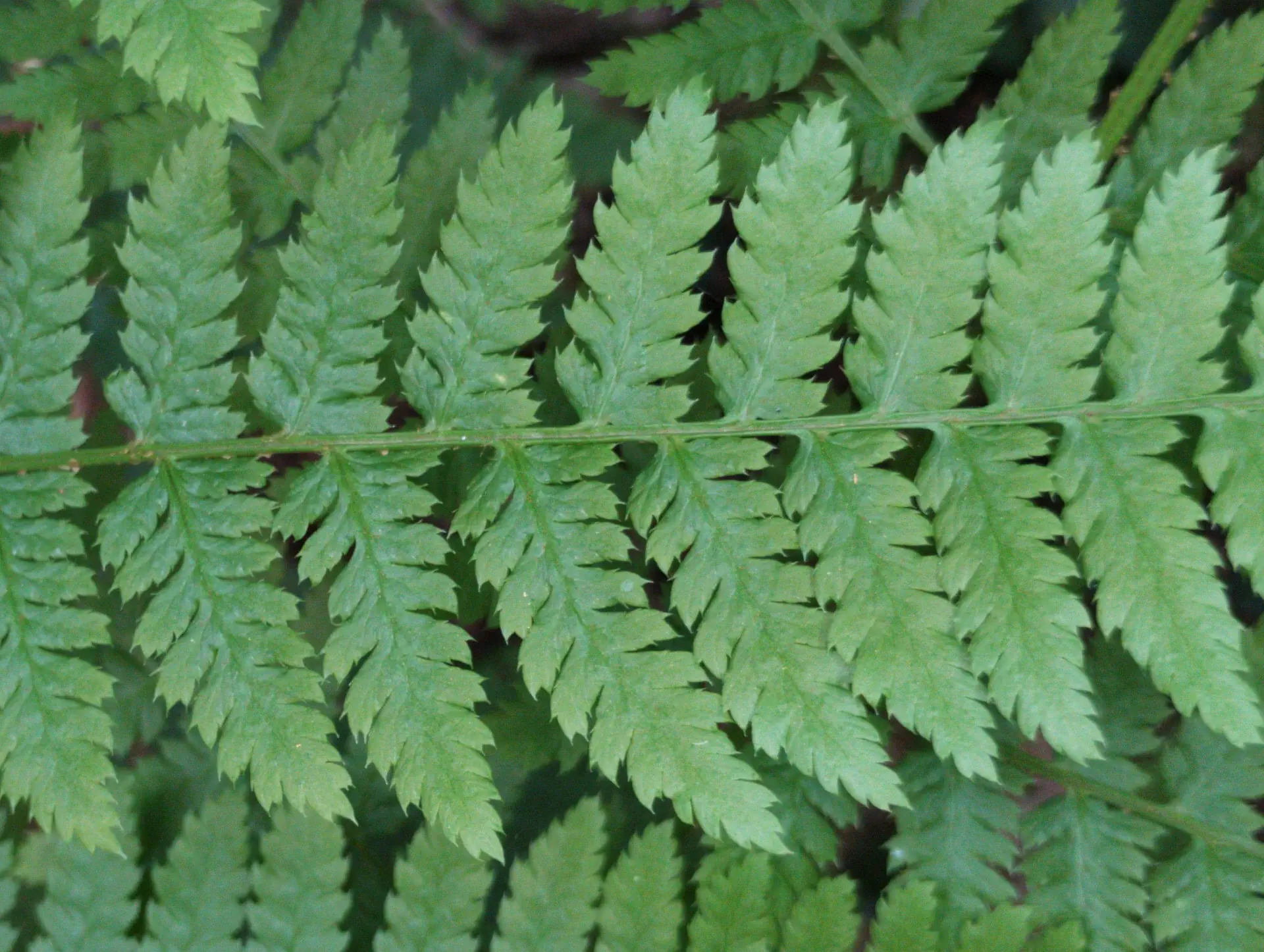
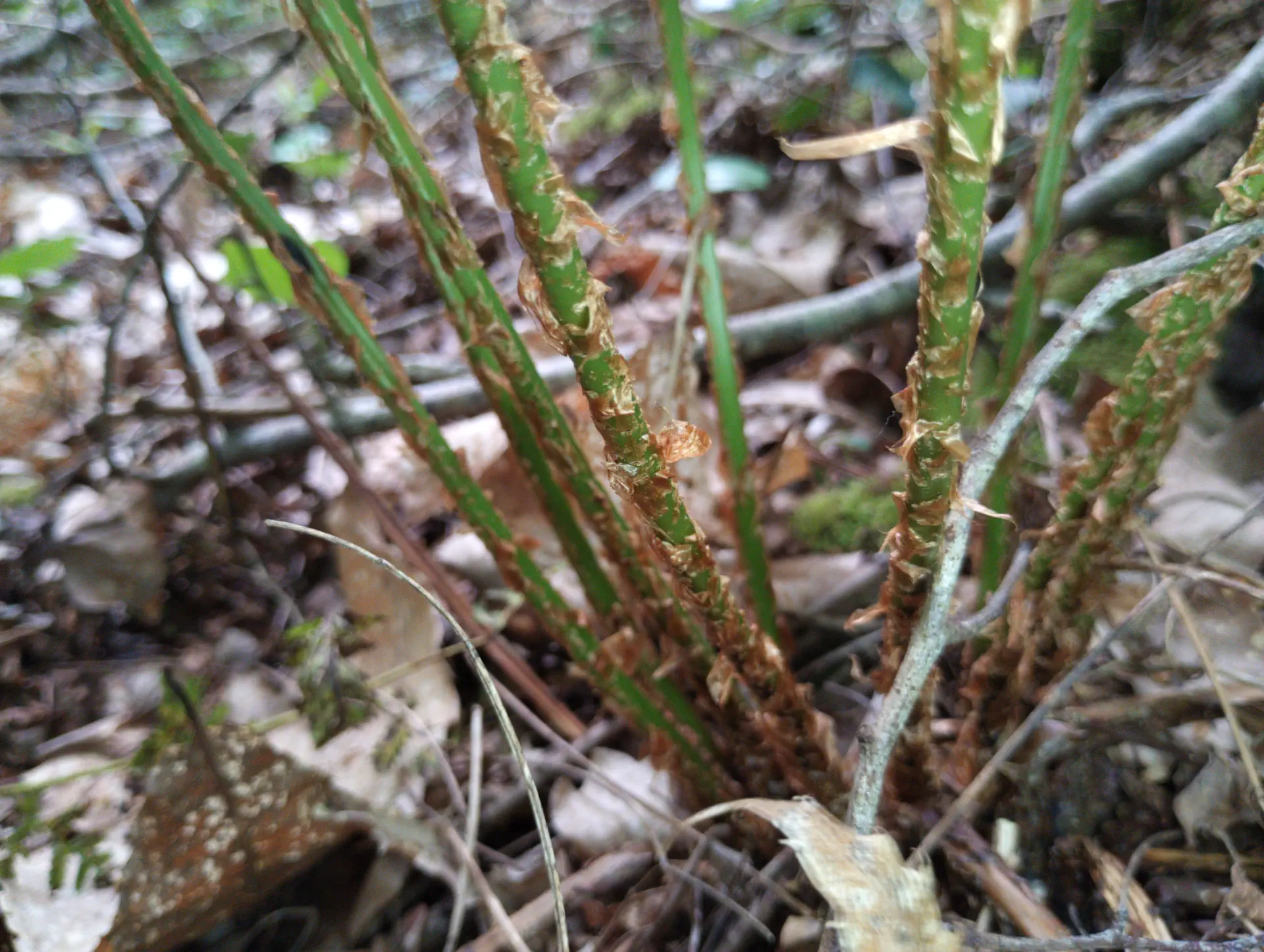
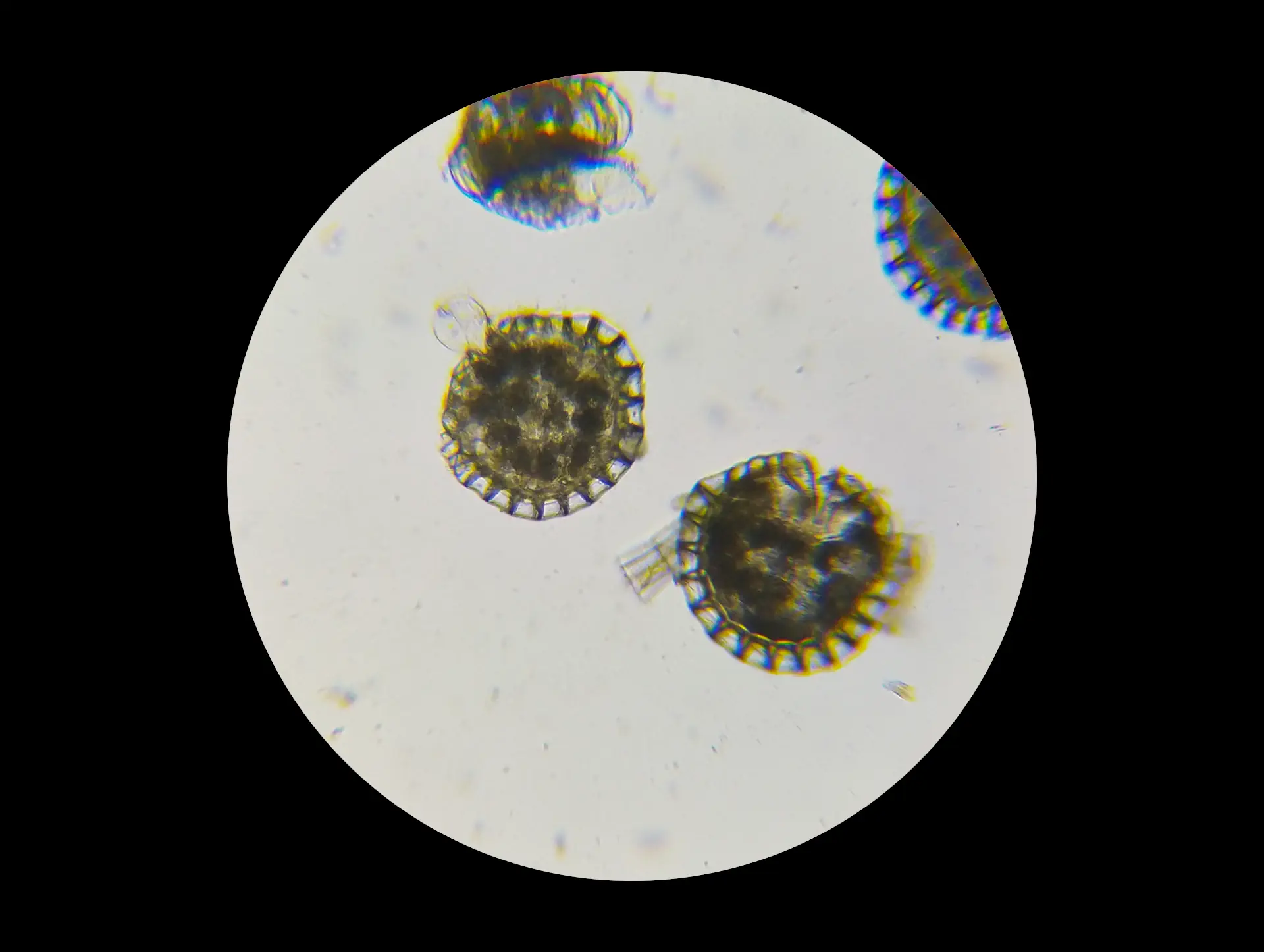
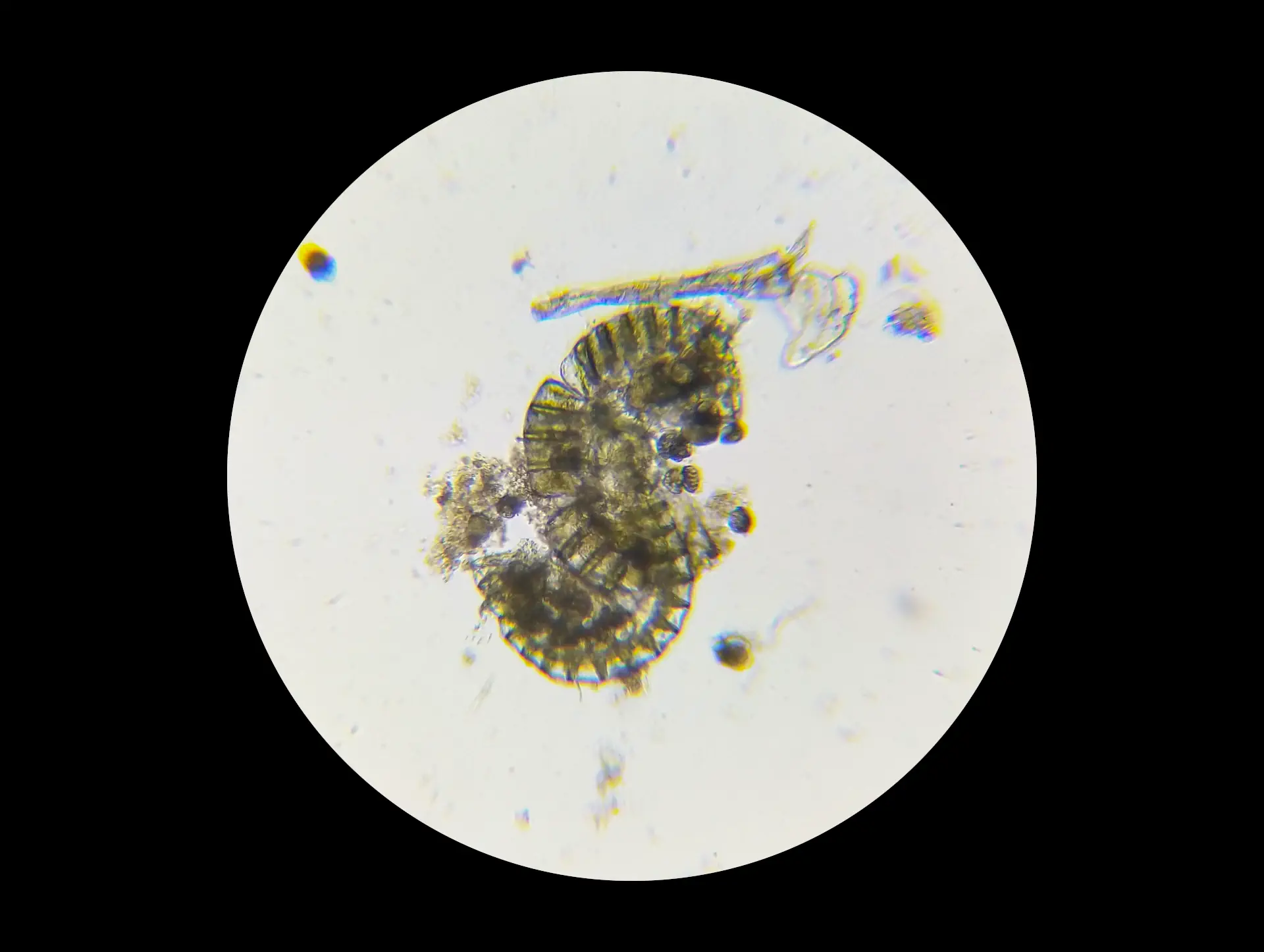
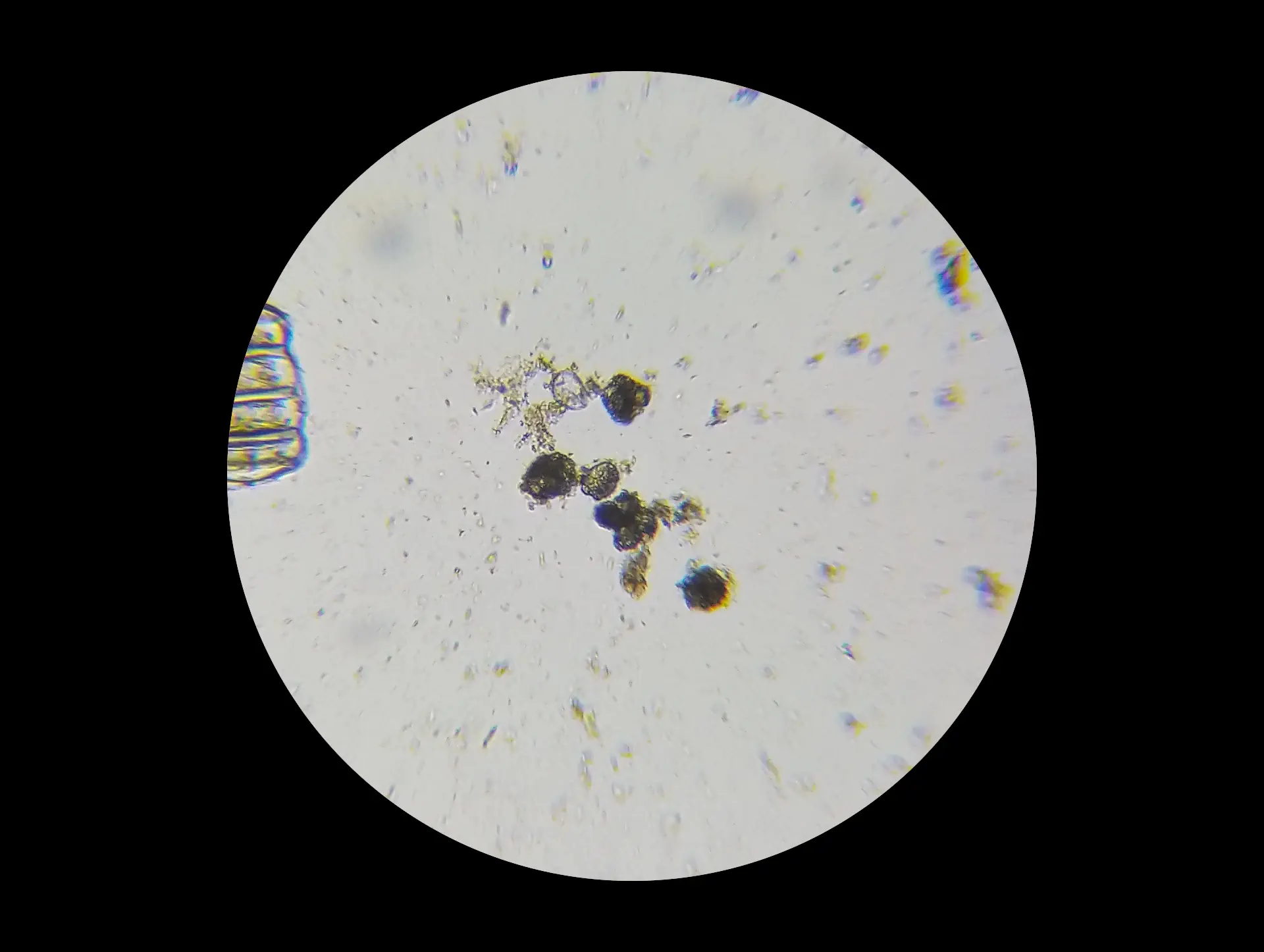
This hybrid is uncommon and occurs in mixed populations of D. carthusiana and D. dilatata. It can be recognized in the field by its large size and by a morphology intermediate between the two parent species, in particular the presence of many scales on the petiole (as in D. dilatata) that are concolorous (as in D. carthusiana). The scales often show a diffuse darker-brown area at their bases. Searching for aborted spores is necessary to confirm the identification.
Named after Alfred Dewèvre (1866-1897), a Belgian botanist.
Photographs
Sources
Badré, F., & Deschatres, R. (1979). Les Ptéridophytes de la France : liste commentée des espèces (taxinomie, cytologie, écologie et répartition générale). Candollea, 34(2), 379-457. https://doi.org/10.5169/seals-880127
Prelli, R., & Boudrie, M. (2024). Les fougères et plantes alliées d’Europe (2nd ed., p. 399). Biotope.