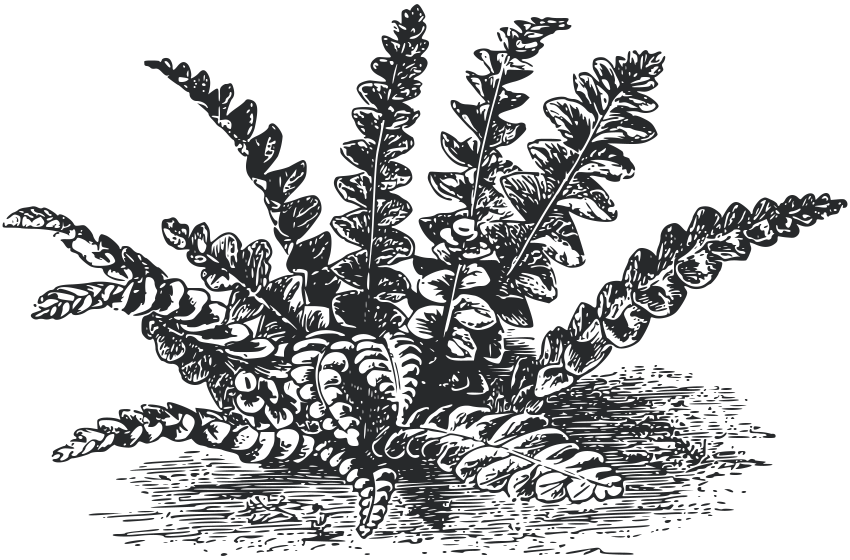
Polypodium vulgare L., 1753
🇬🇧 Polypody
🇫🇷 Polypode commun, Polypode vulgaire, Réglisse des bois
Taxonomy
- Kingdom: Plantae
- Clade: Tracheophytes
- Clade: Monilophytes
- Class: Polypodiopsida
- Subclass: Polypodiidae
- Order: Polypodiales
- Suborder: Polypodiineae
- Family: Polypodiaceae
- Subfamily: Polypodioideae
- Genus: Polypodium
- Species: Polypodium vulgare
Presence
Present.
Conservation status
- Red List (Metropolitan France): LC Least Concern
- Red List (Europe): LC Least Concern
Notes
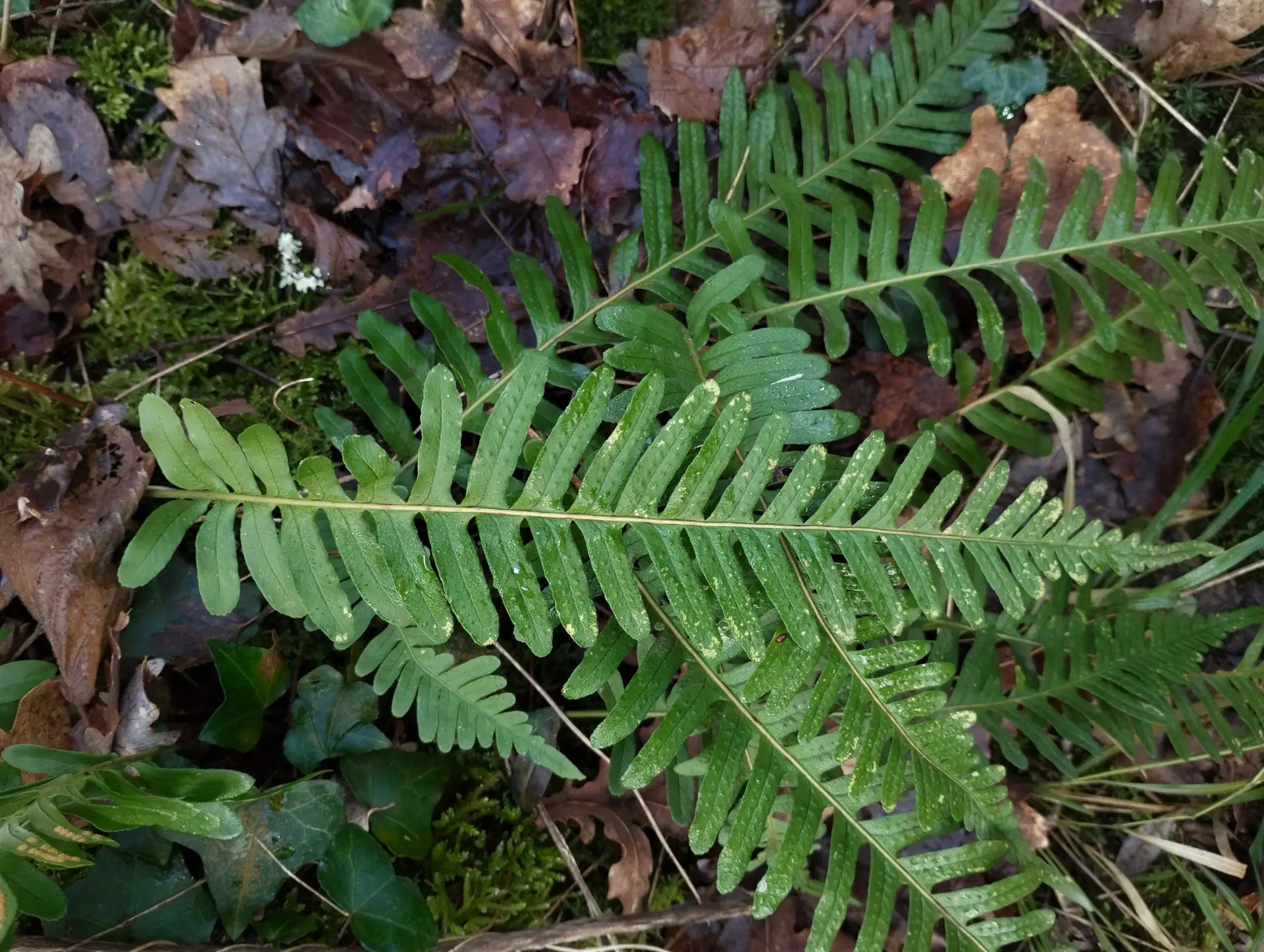
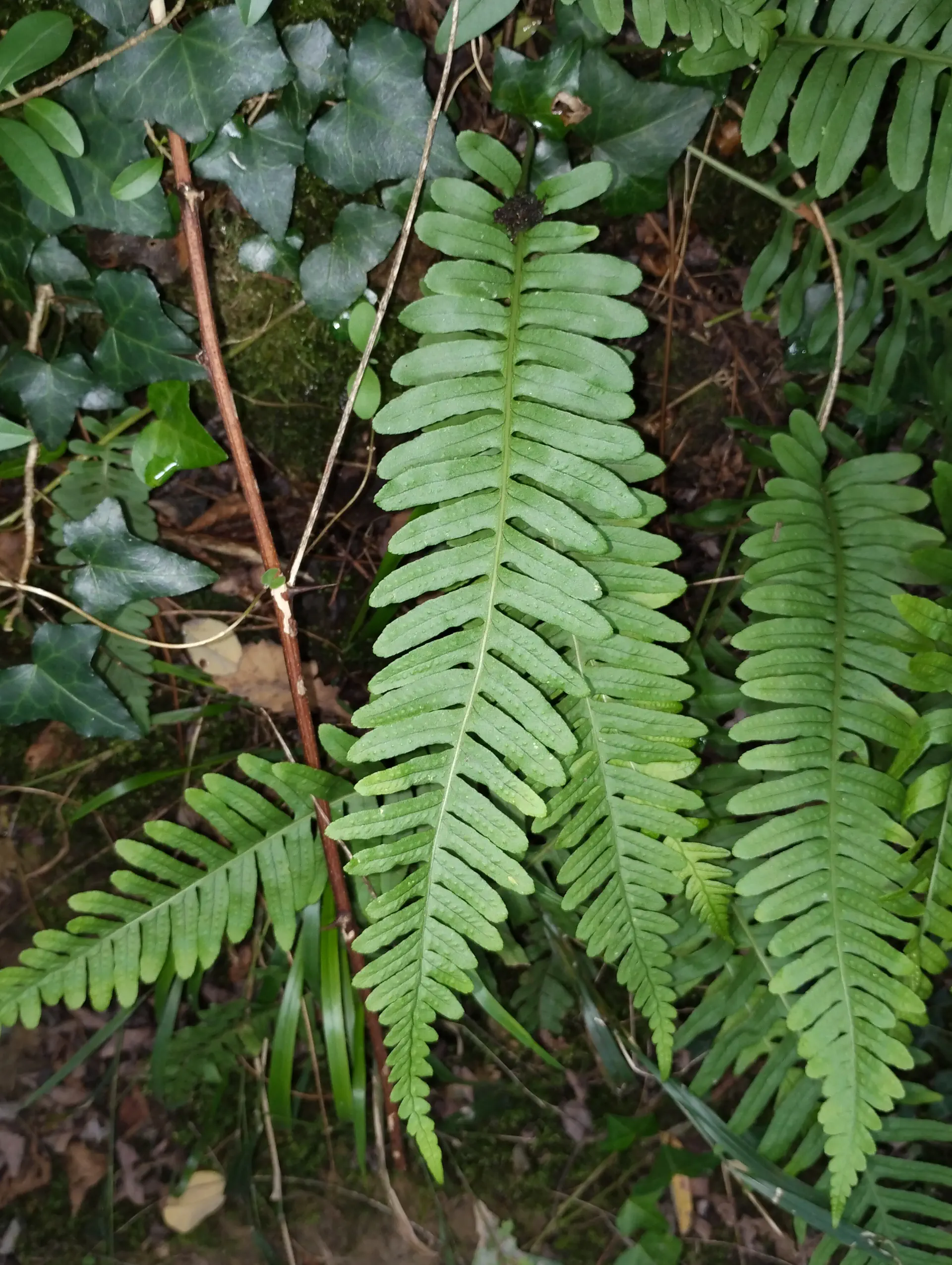
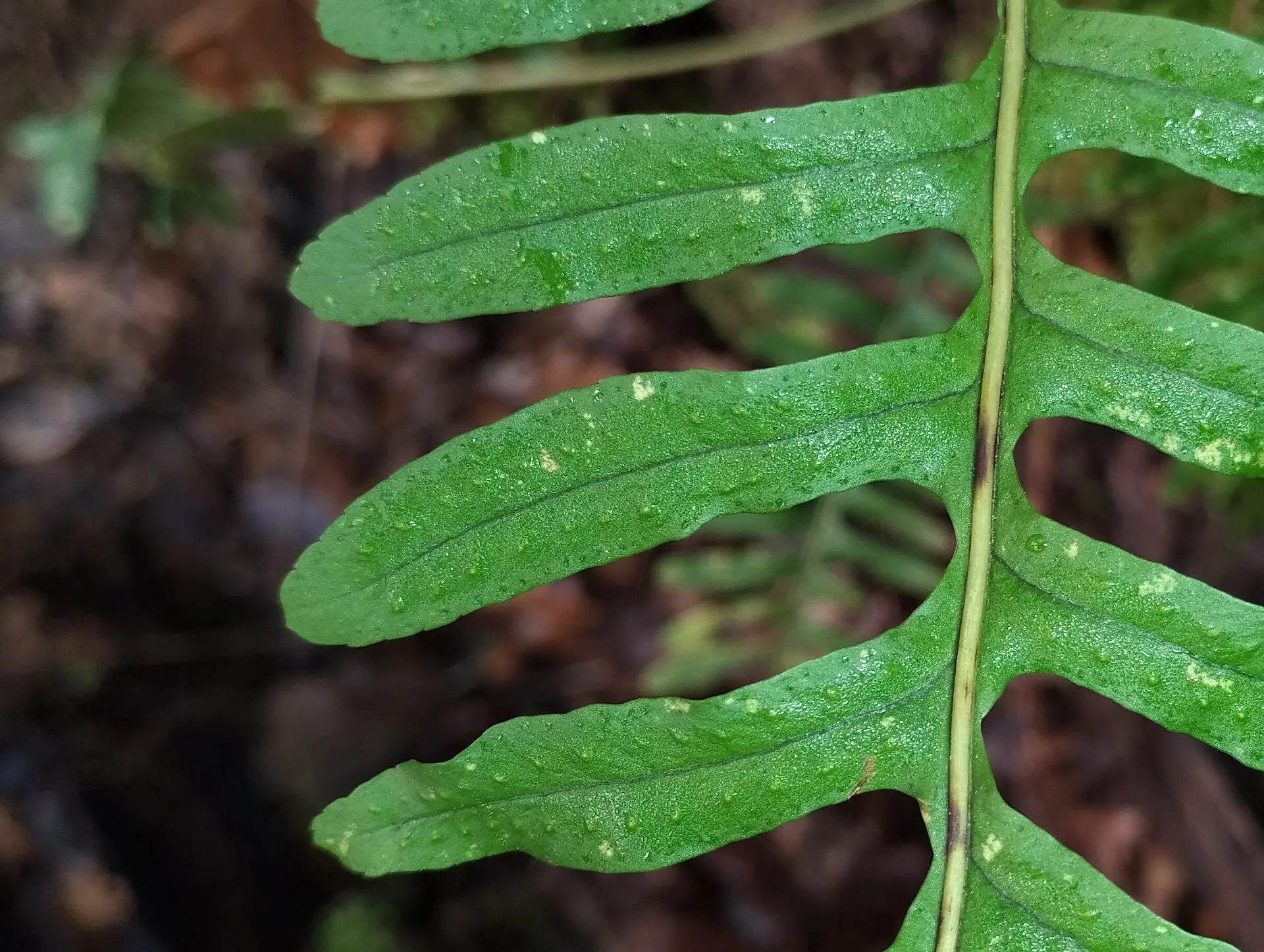
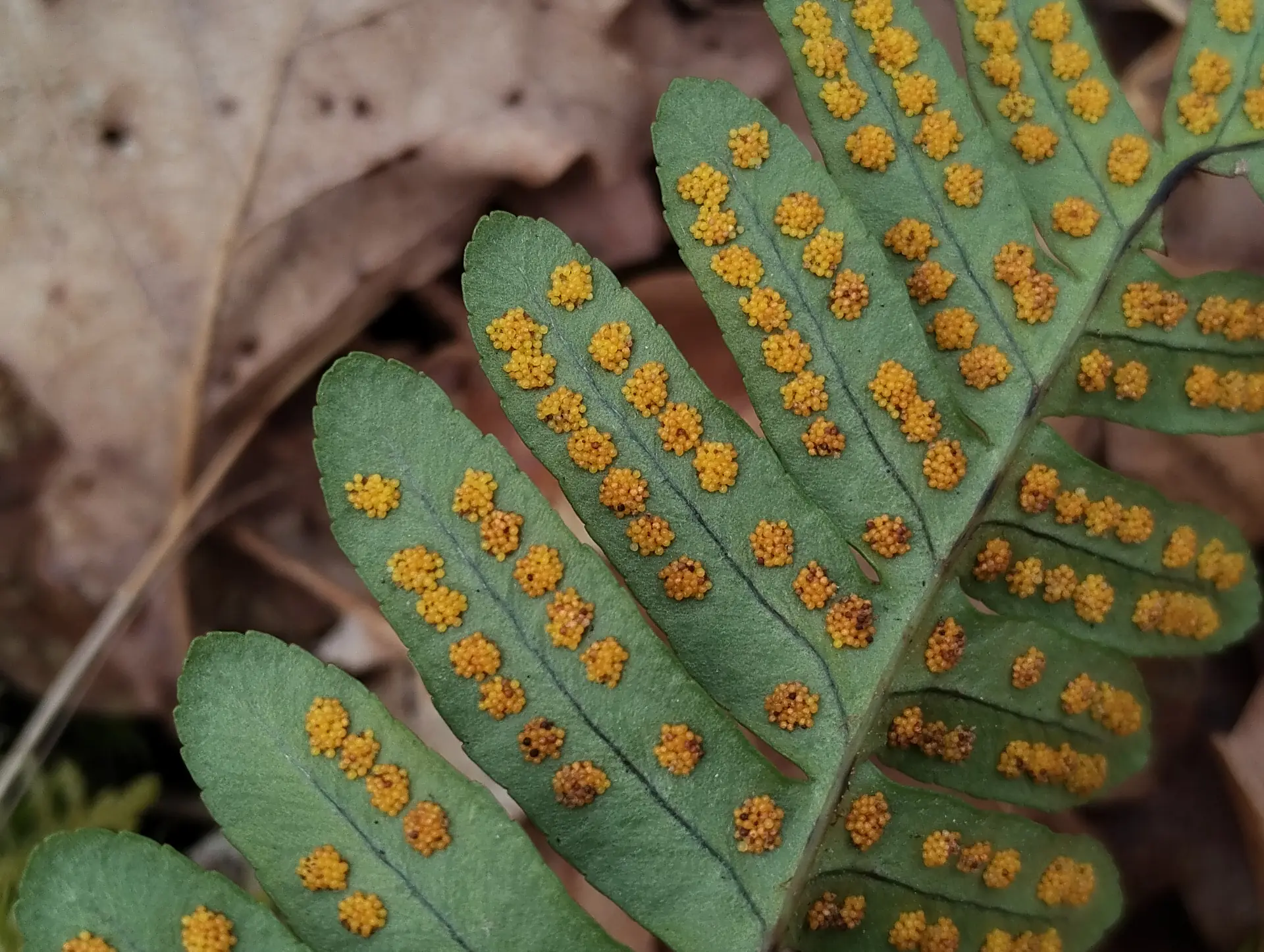
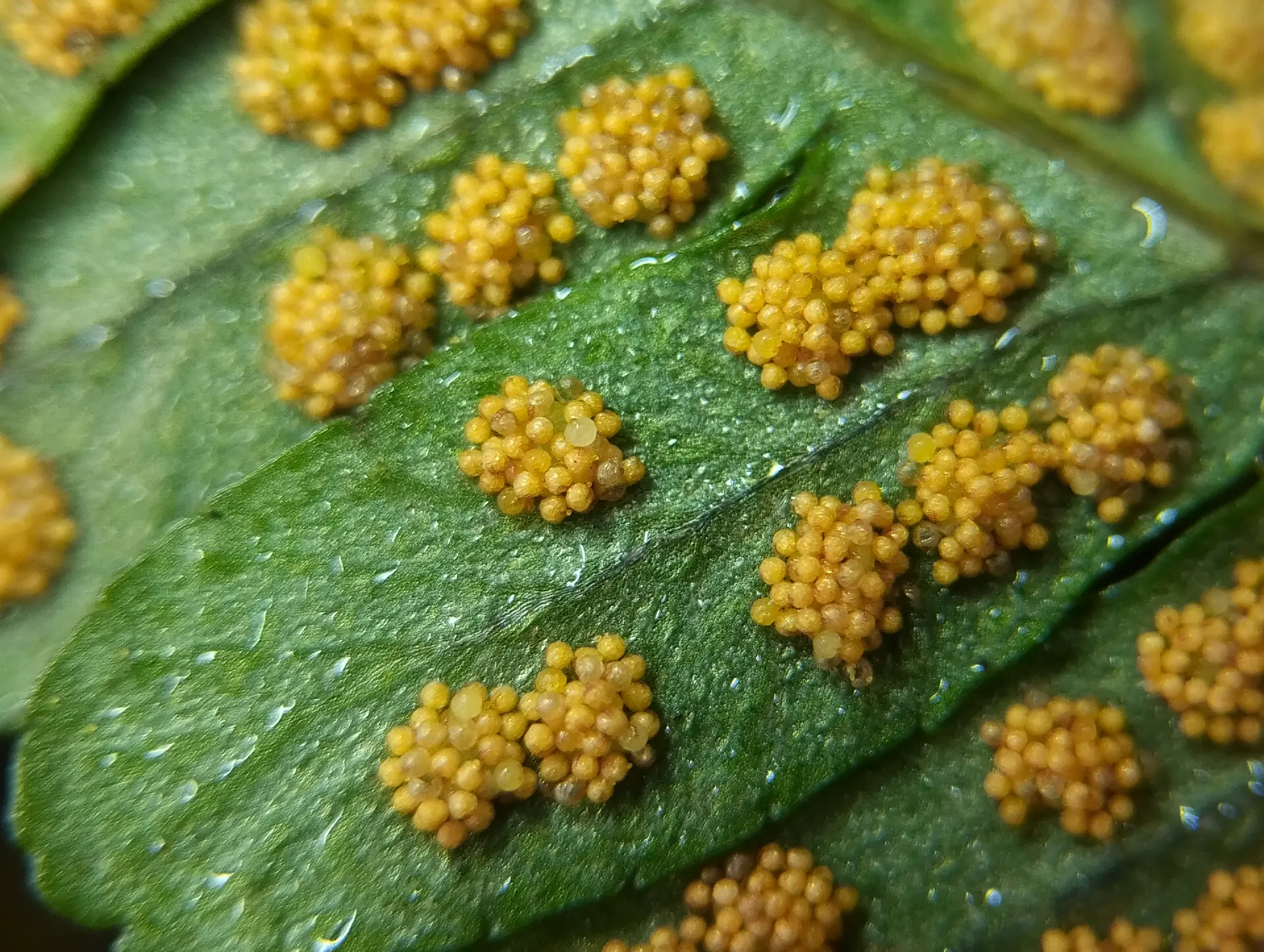
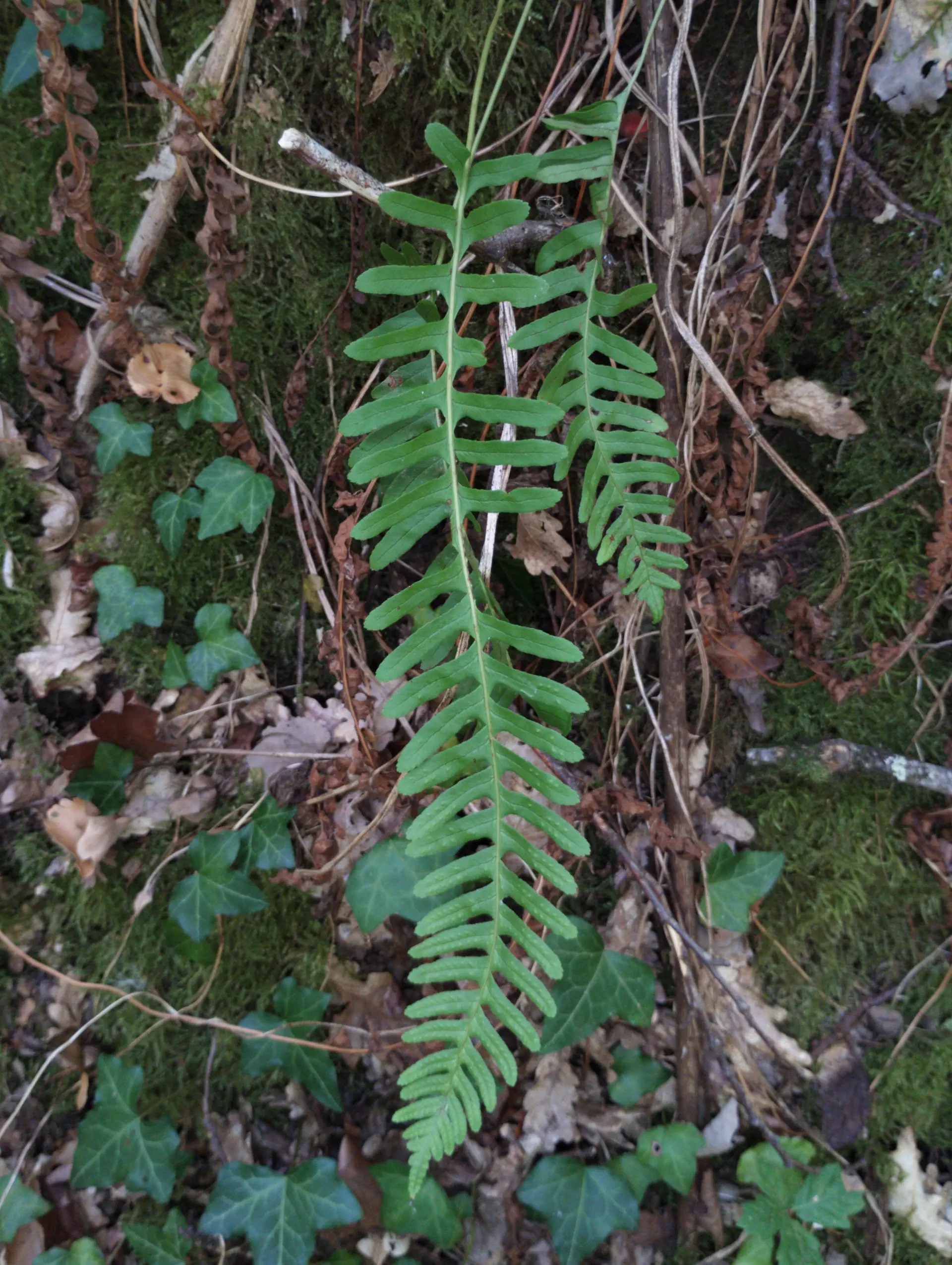
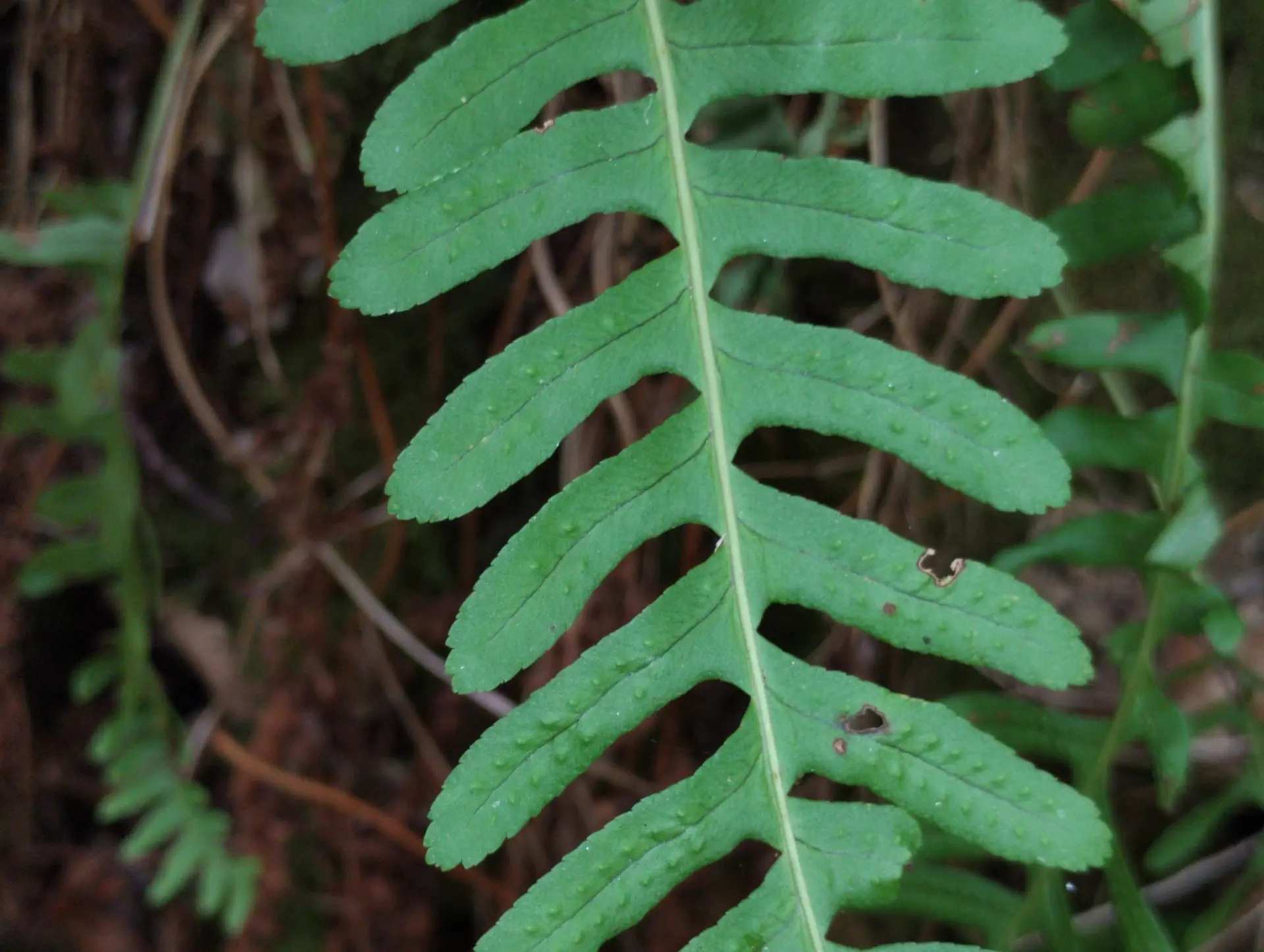
Possible confusion with P. cambricum L., 1753, which has wider fronds (length/width ratio < 2) and paraphyses in the sori, while P. vulgare has narrower fronds (length/width ratio ≥ 3) and lacks paraphyses.
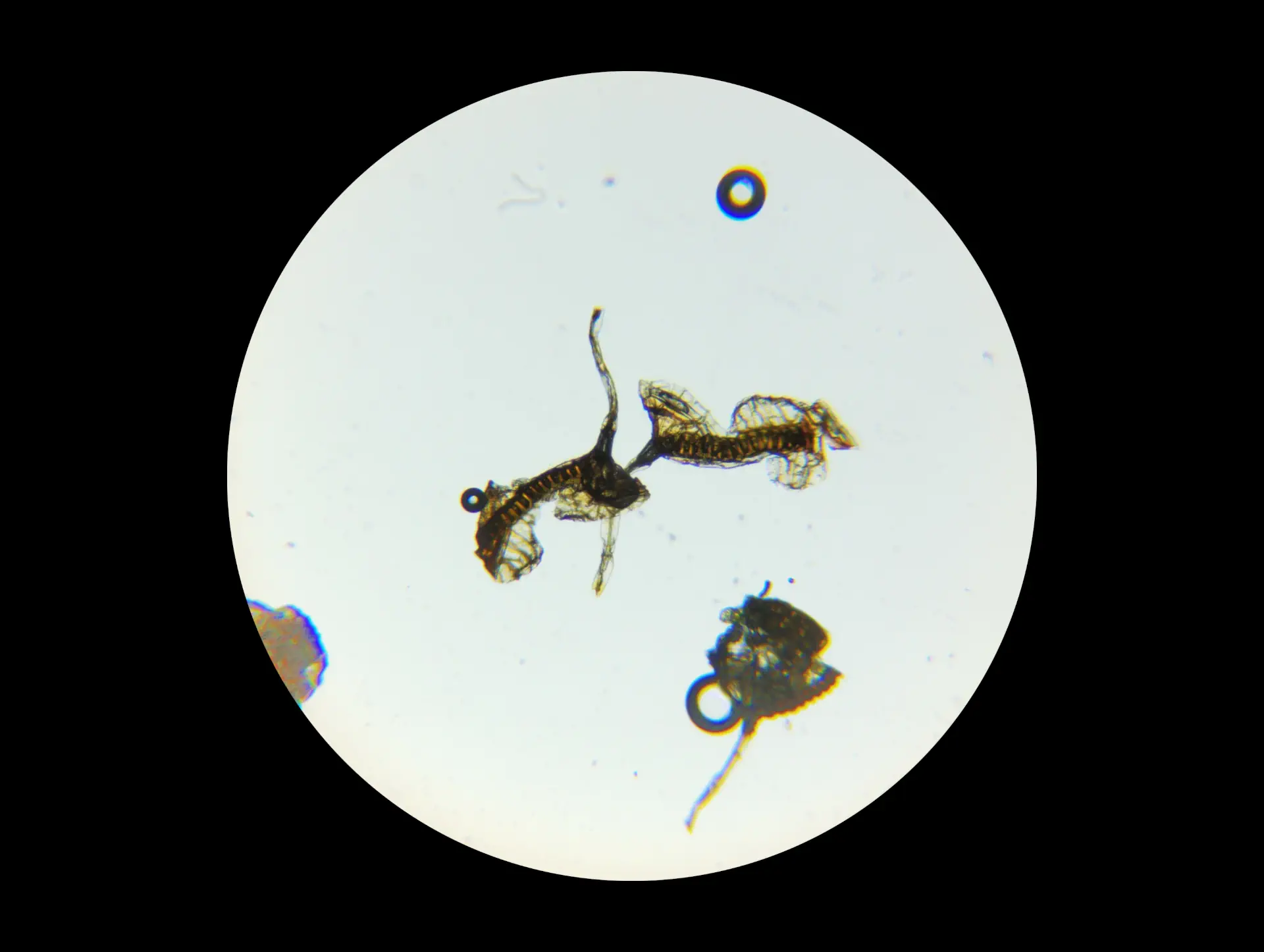
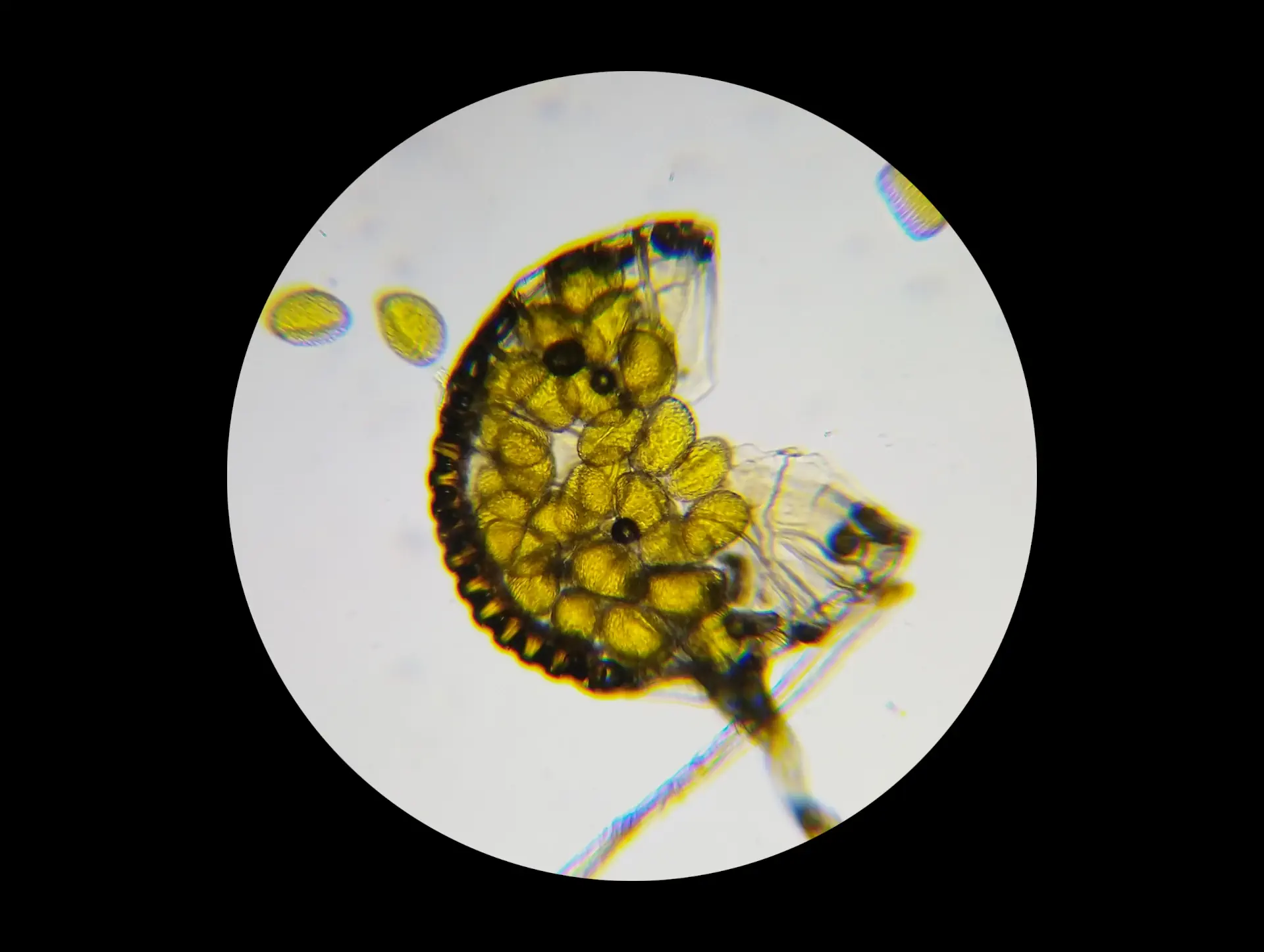
Possible confusion with P. interjectum Shivas, 1961, which has wider fronds (length/width ratio > 2 and ≤ 3) and sporangia with a light brown annulus made of 7-9 cells, while P. vulgare has narrower fronds (length/width ratio ≥ 3) and sporangia with a dark brown annulus made of 11-14 cells.
Allotetraploid (2n = 148).
The following infraspecific taxa are accepted:
- P. vulgare subsp. vulgare
- var. eatonii Baker, 1879;
- var. vulgare L., 1753, P;
P. vulgare subsp. melitense Peroni, G.Peroni & Mifsud, 2013. 1
Hybridizes with:
- P. cambricum L., 1753 to produce P. × font-queri Rothm., 1937, P;
- P. interjectum Shivas, 1961 to produce P. × mantoniae Rothm., 1962, P.
Rhizomes are edible and have a slight licorice taste. Another species, P. glycyrrhiza D.C.Eaton, 1856, which is native to Northwestern North America, is known for its strong licorice taste.
Photographs
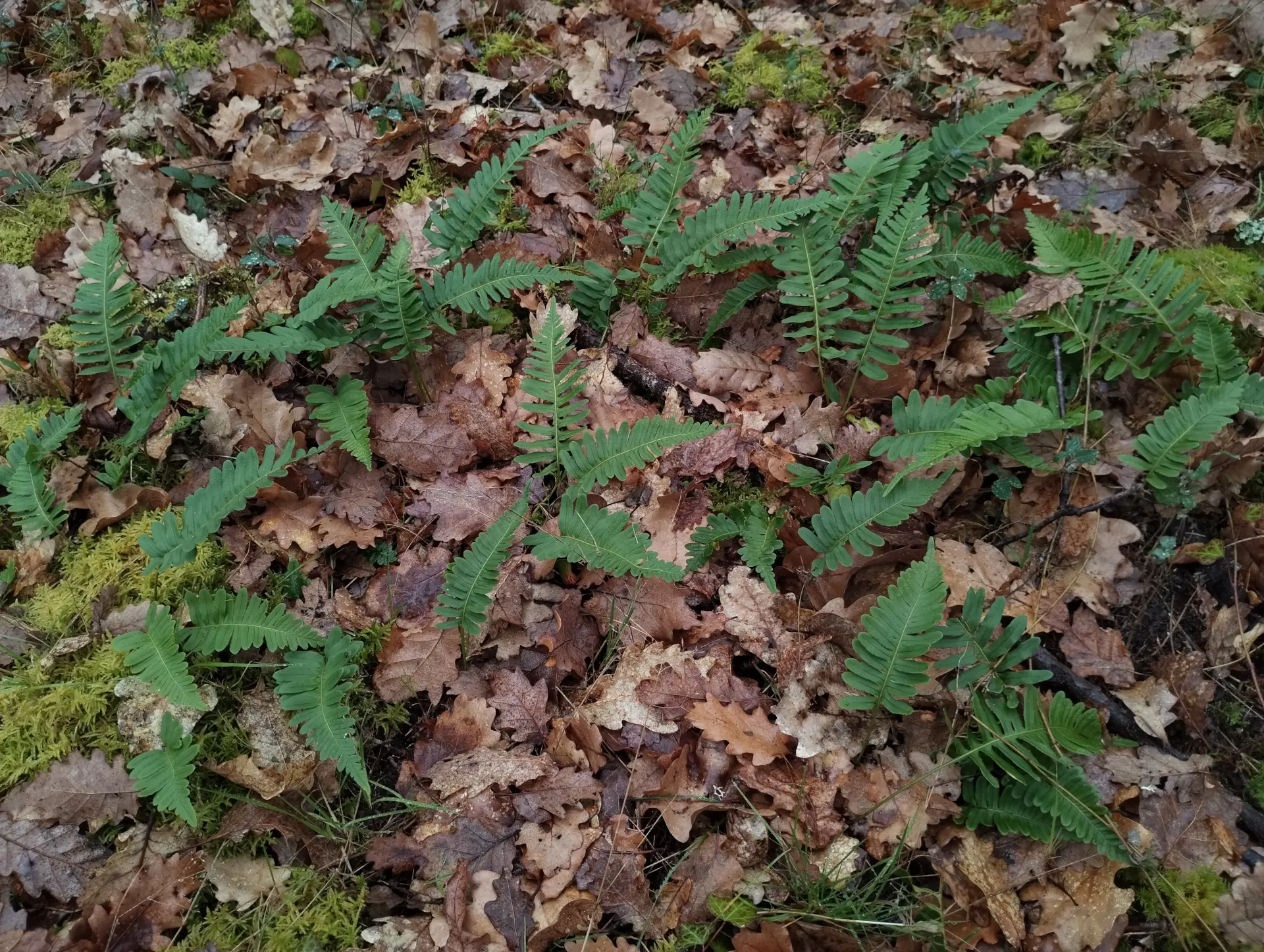
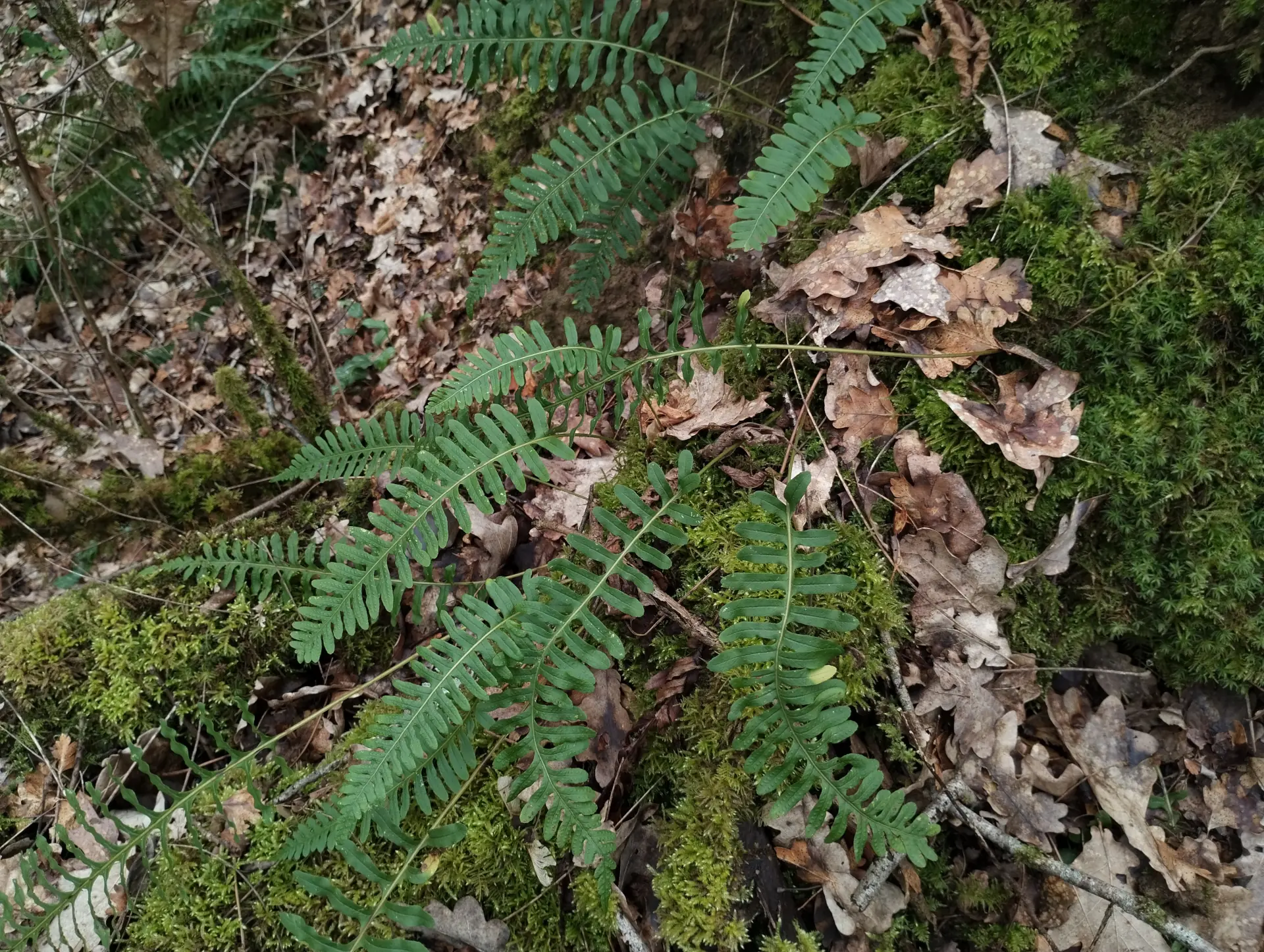
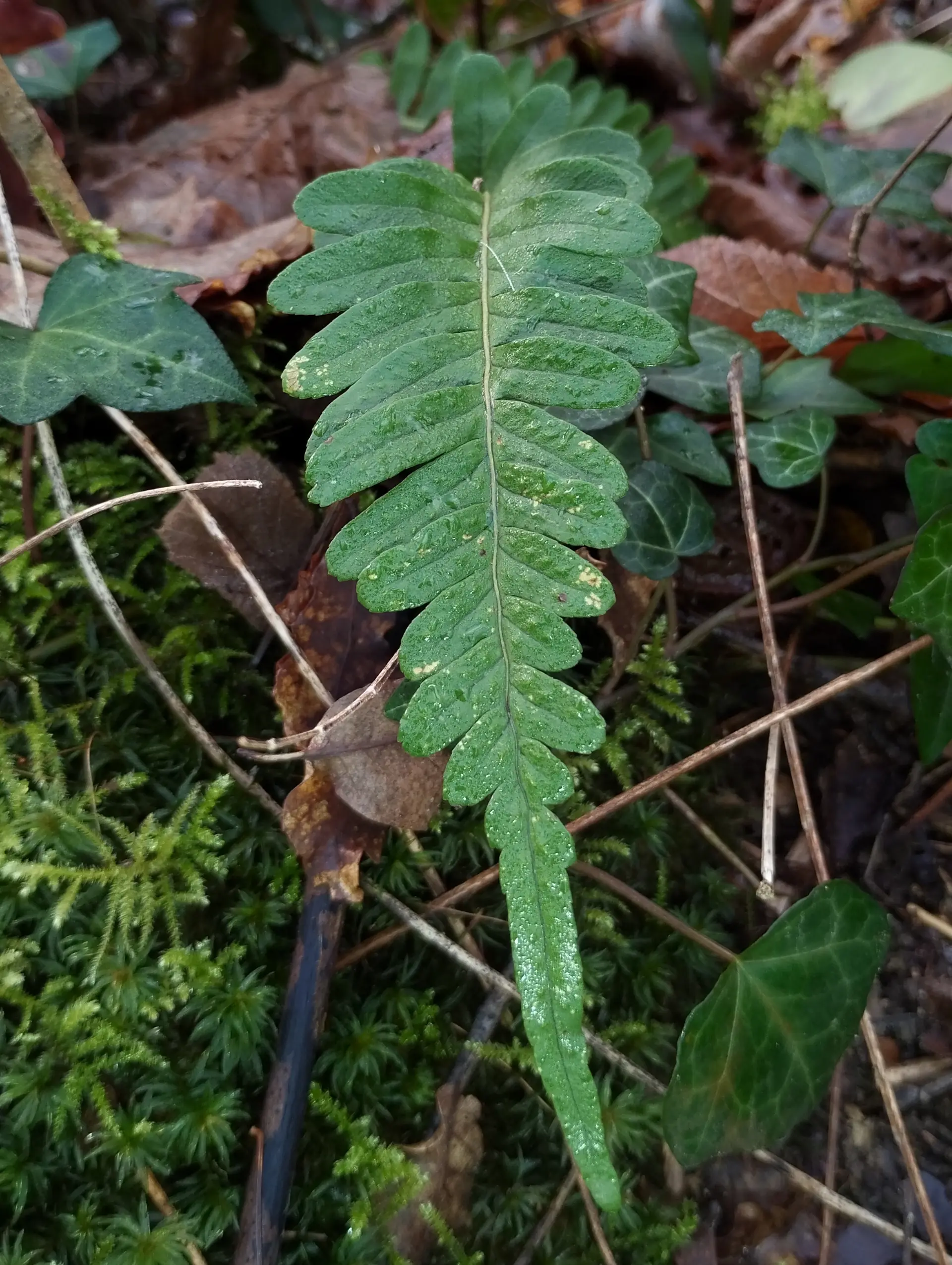
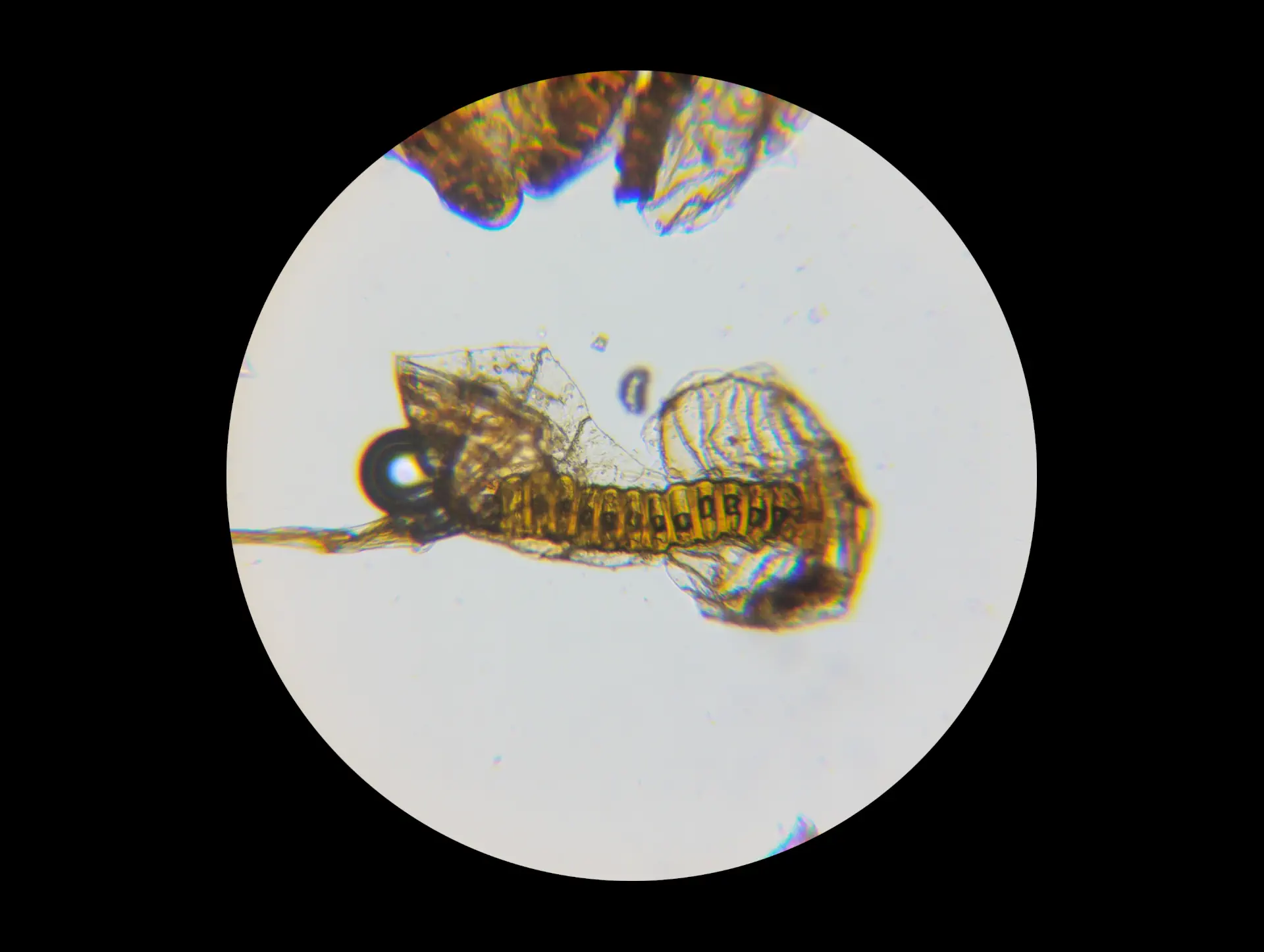
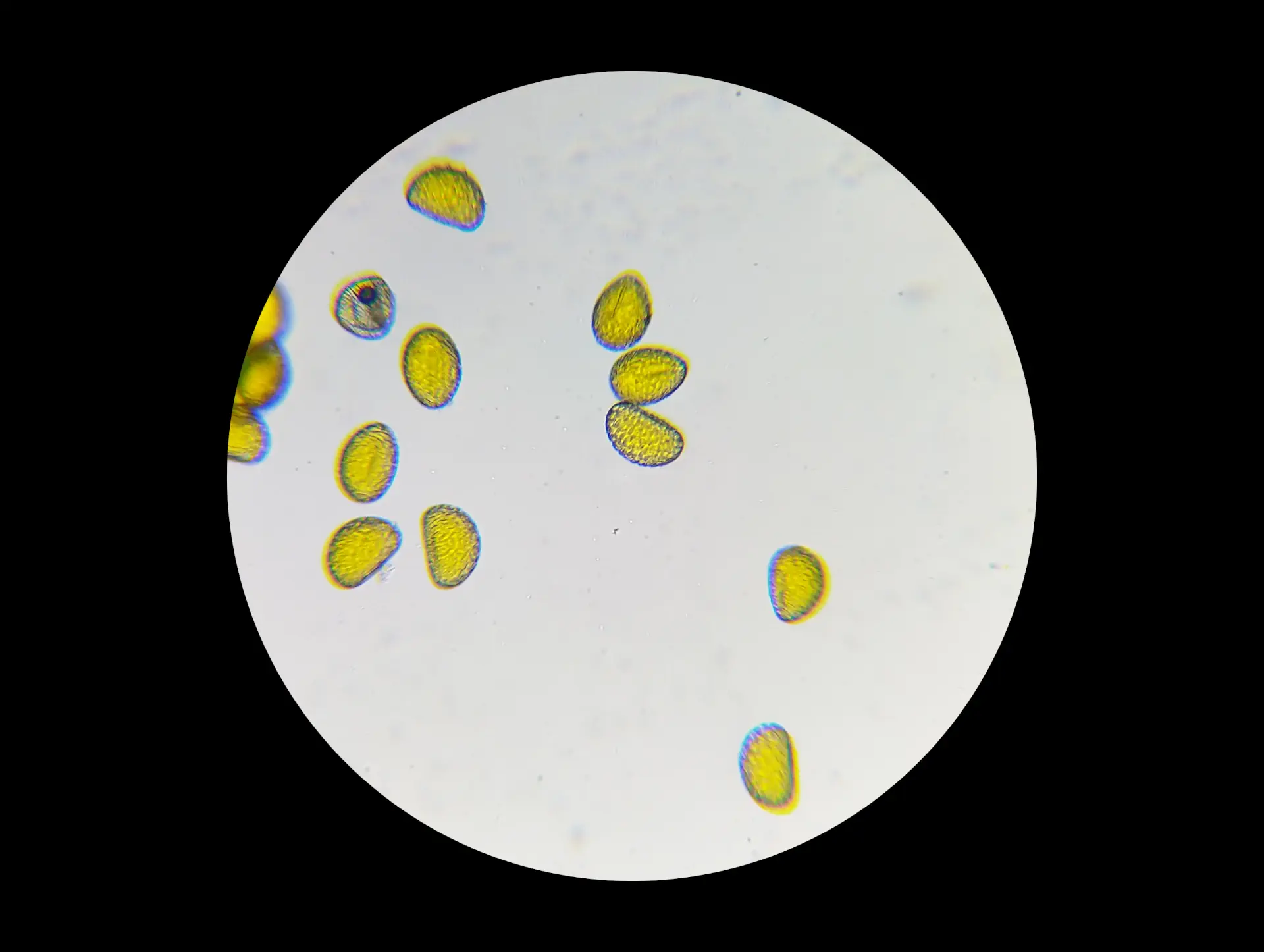
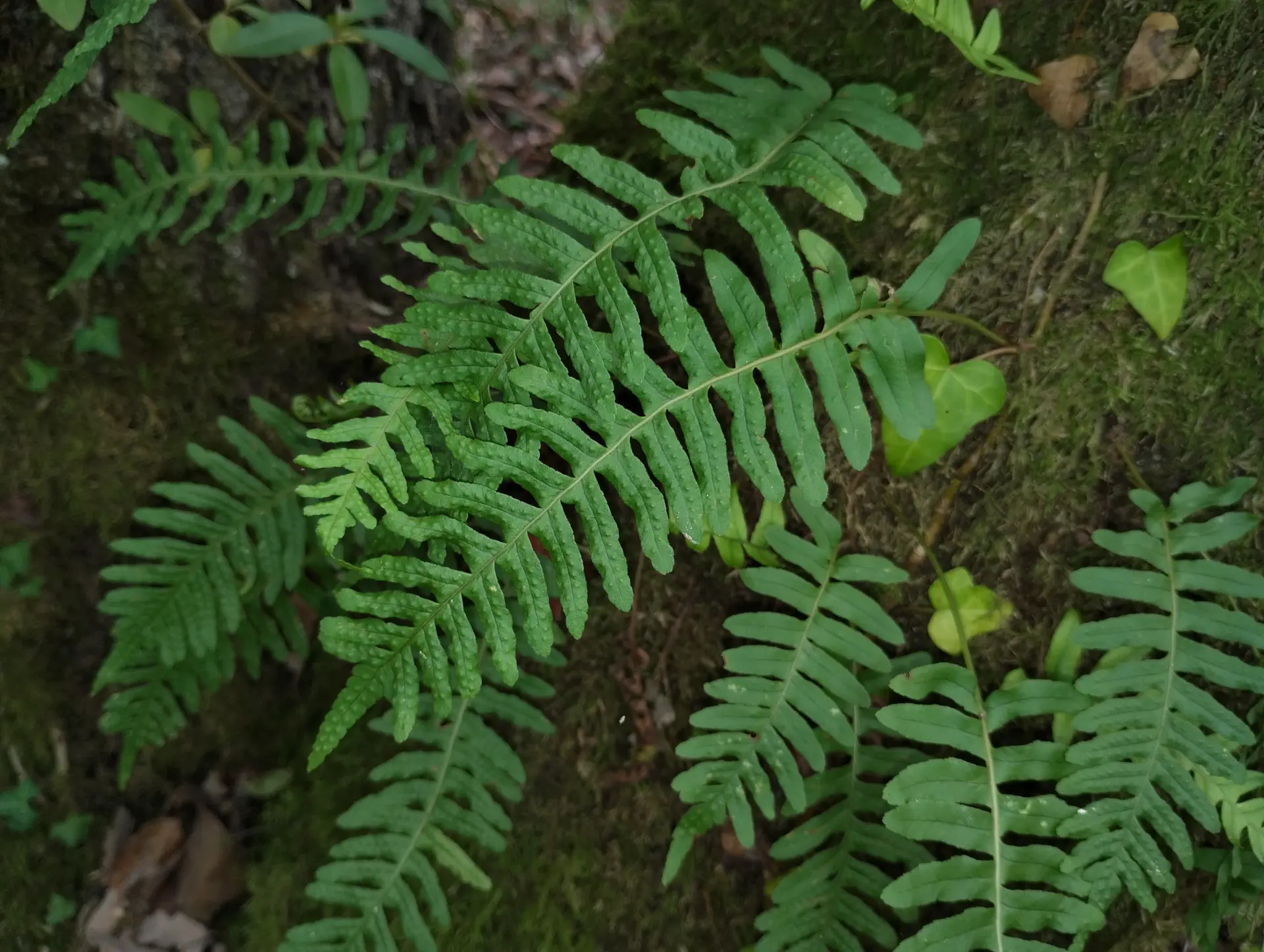
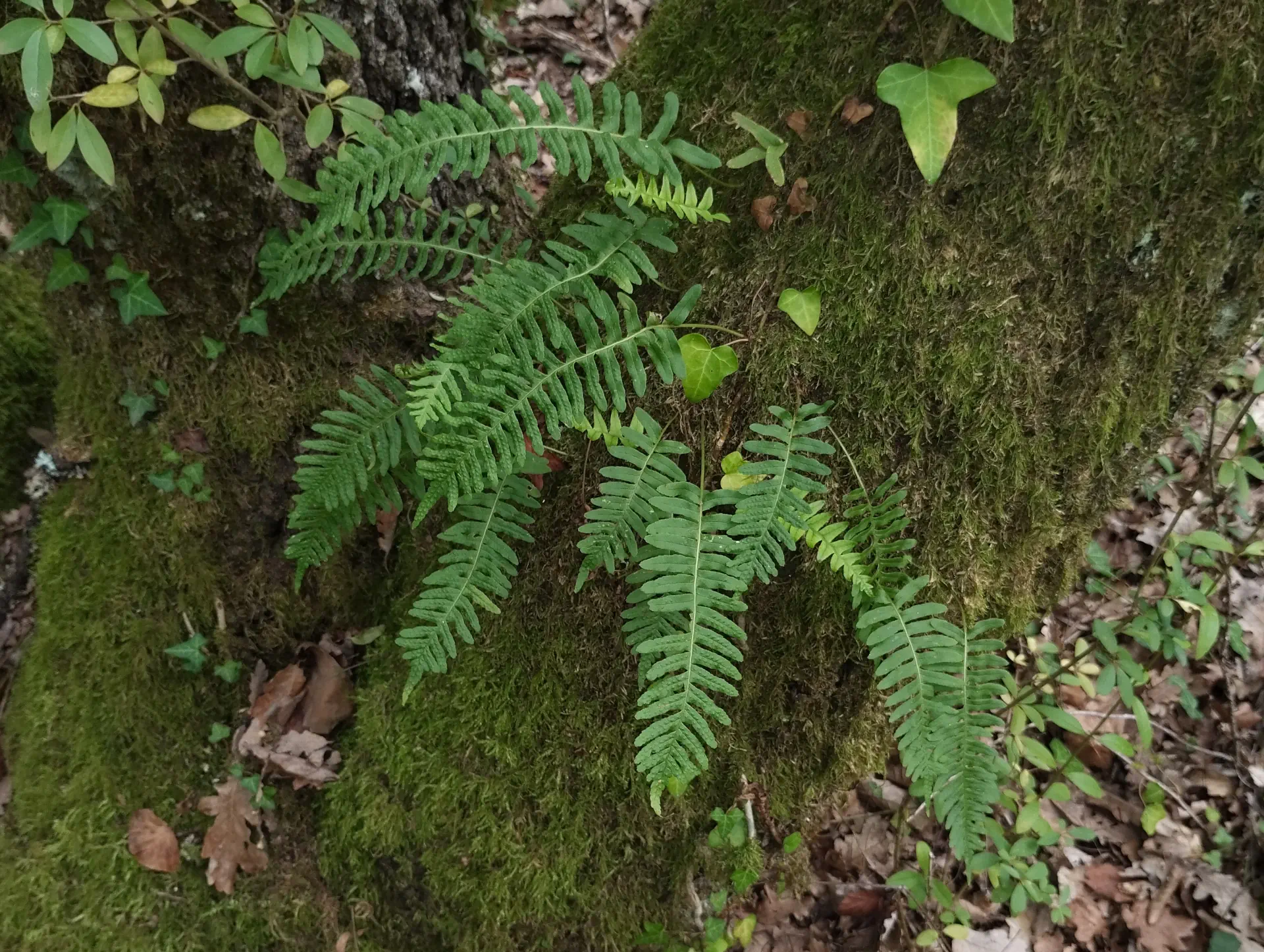
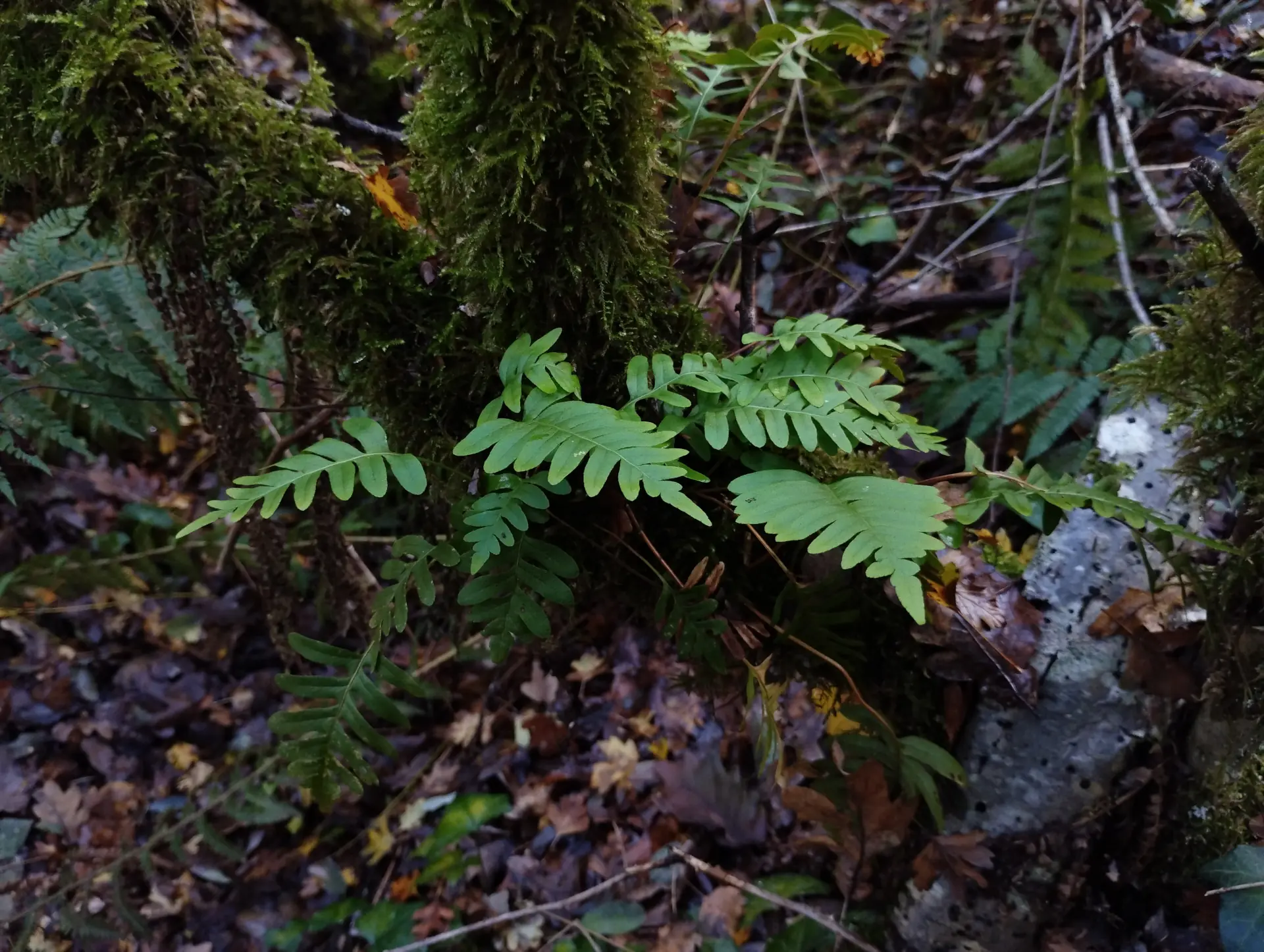
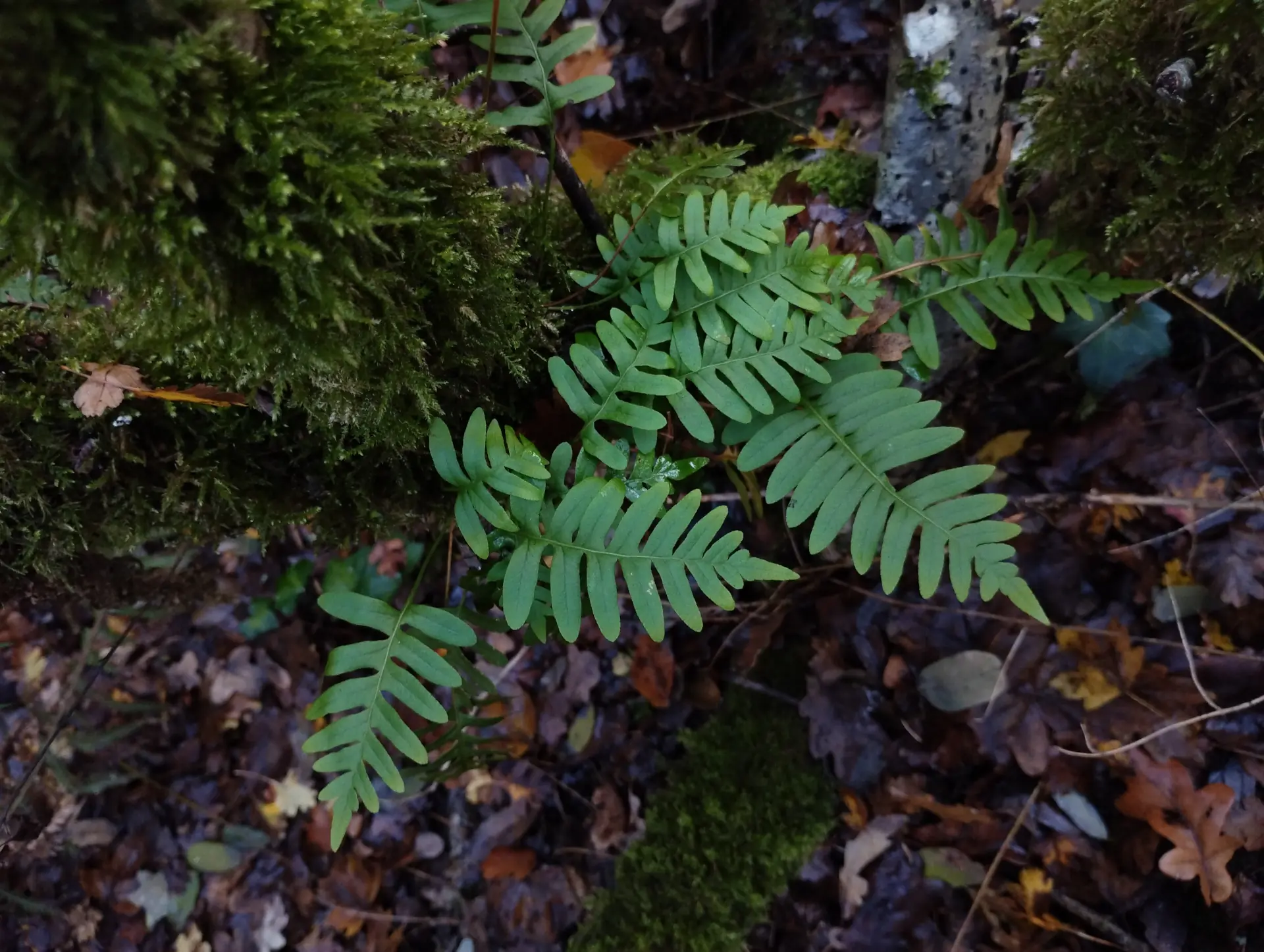
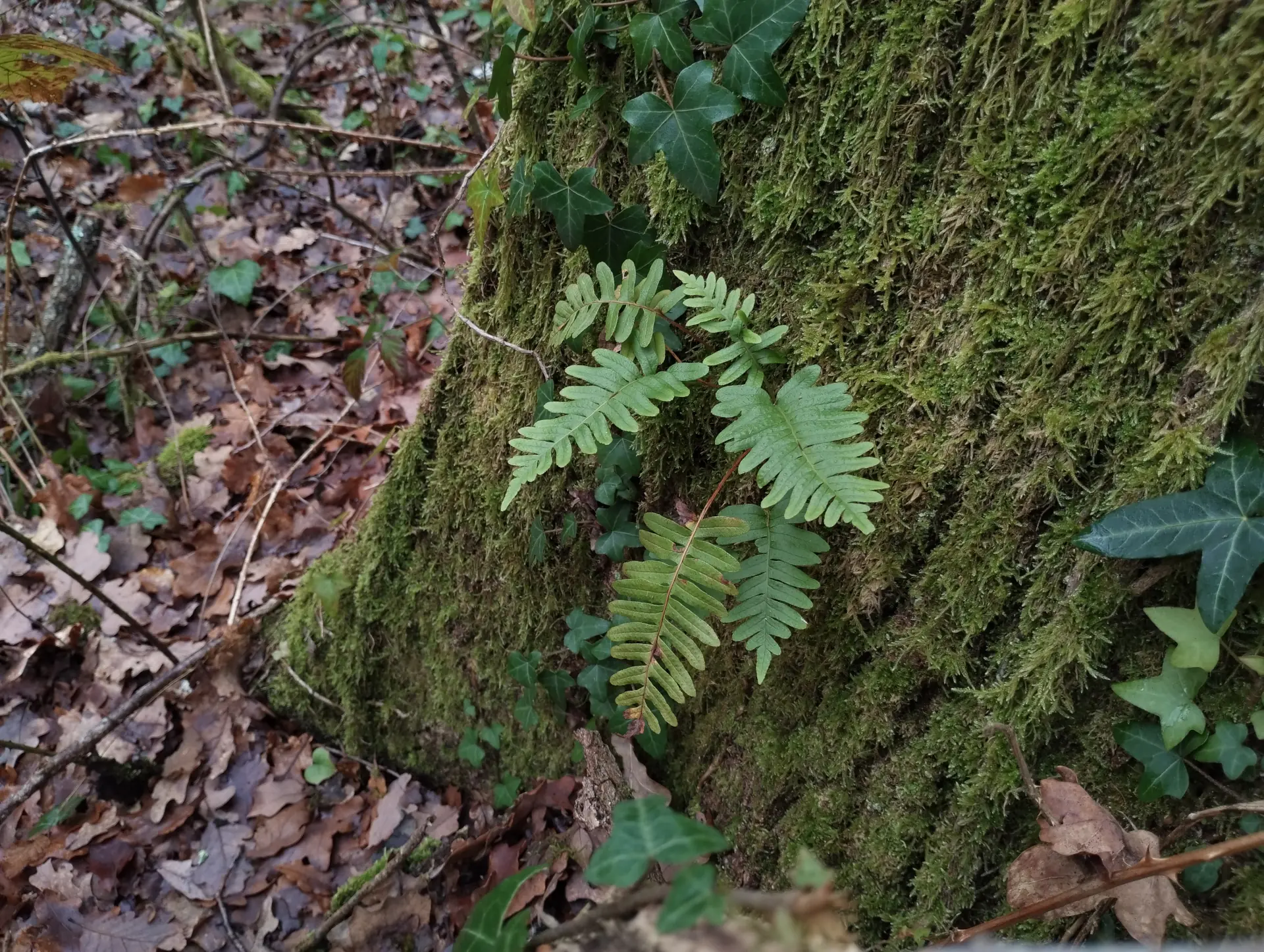
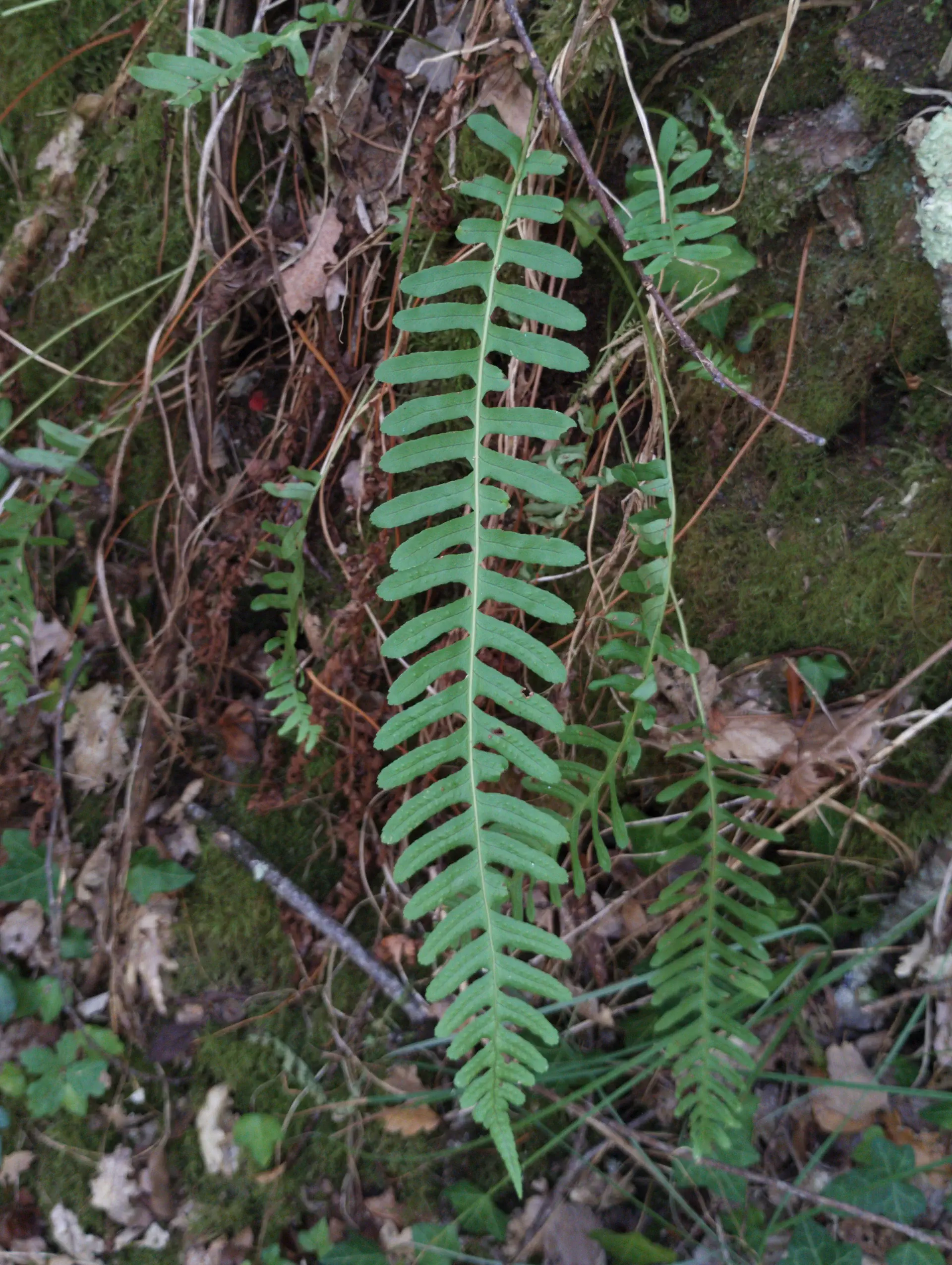
Anomalies
Sources
Badré, F., & Deschatres, R. (1979). Les Ptéridophytes de la France : liste commentée des espèces (taxinomie, cytologie, écologie et répartition générale). Candollea, 34(2), 379-457. https://doi.org/10.5169/seals-880127
Christenhusz, M., Bento Elias, R., Dyer, R., Ivanenko, Y., Rouhan, G., Rumsey, F., & Väre, H. (2017). Polypodium vulgare (Europe assessment). The IUCN Red List of Threatened Species, 2017. https://www.iucnredlist.org/species/203397/85447699
Mifsud, S., Troia, A., Bennert, H.W., & Fuchs, J. (2020). Reviewing the identity of the Maltese Polypodium (Polypodiaceae) - new evidence from morphology and flow cytometry. Nova Hedwigia, 110(3-4), 395-405. https://doi.org/10.1127/nova_hedwigia/2020/0582
Peroni, A., Peroni, G., & Mifsud, S. (2013). Polypodium vulgare subsp. melitense new subspecies from Gozo, Maltese Islands (Pteridophyta: Polypodiaceae). Botanica Complutensis, 37, 41-46. https://doi.org/10.5209/rev_BOCM.2013.v37.42267
Prelli, R., & Boudrie, M. (2024). Les fougères et plantes alliées d’Europe (2nd ed., p. 422). Biotope.
Tison, J.M., & de Foucault, B. (2014). Flora Gallica : Flore de France (p. 23). Biotope.
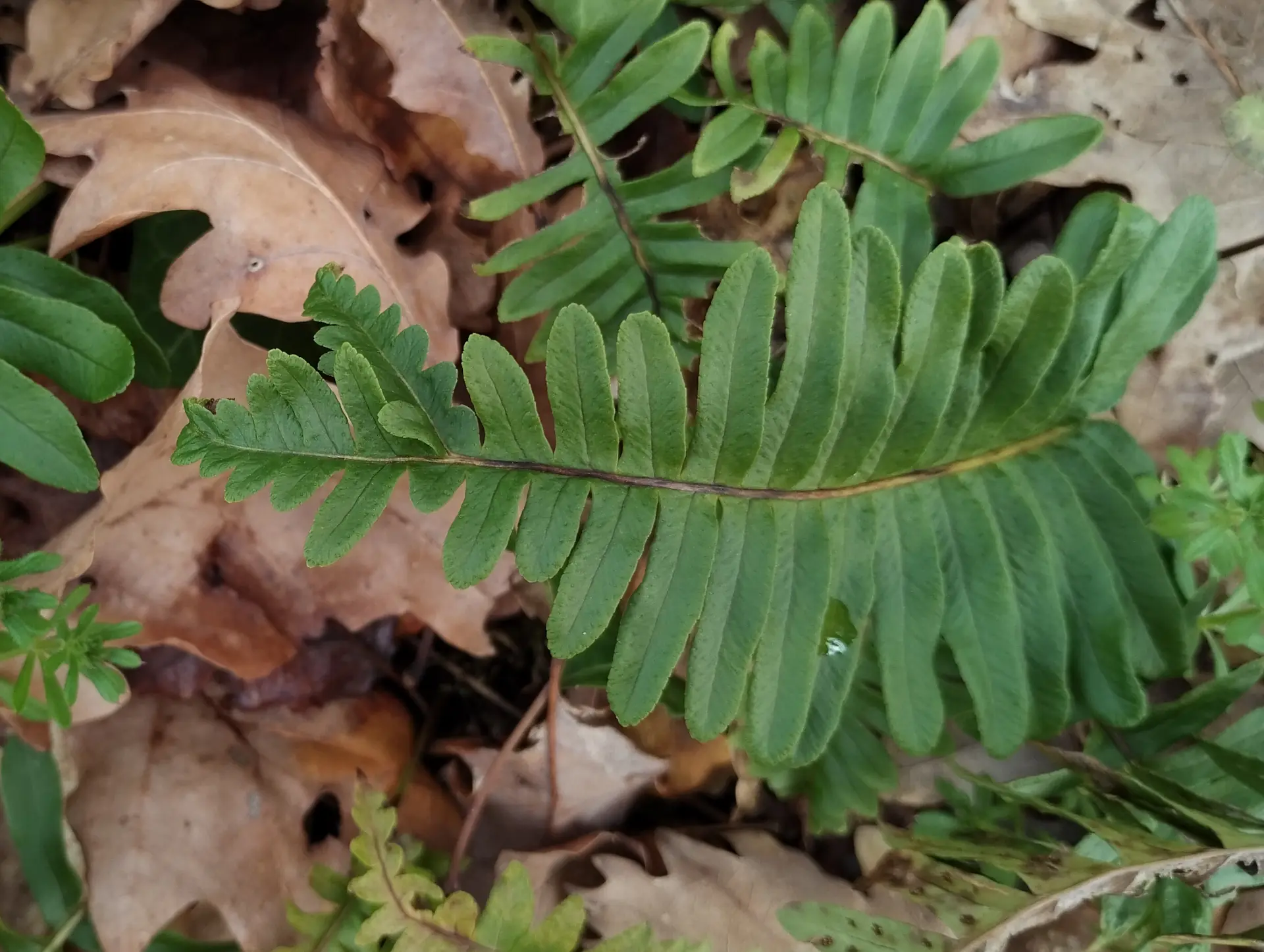
Confirmed to be a rare form of P. cambricum L., 1753 without paraphyses (Mifsud et al., 2020). ↩︎